Cabin vs. Hotel Cost Calculator
★ Hotel Details
♣ Cabin Details
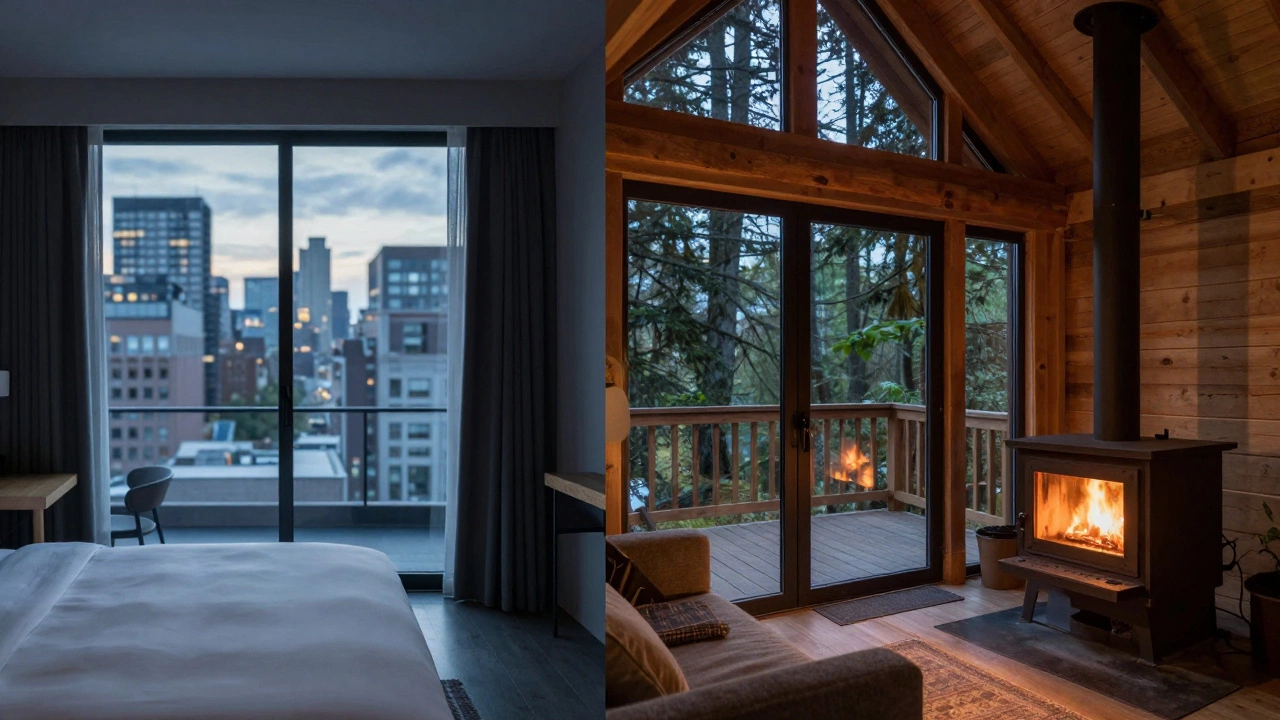
Picture this: you’re planning a weekend getaway. You have two options. Option A is a sleek city hotel room with a view of the skyline. Option B is a cozy romantic cottage, nestled in the woods with a wood-burning stove and a private deck. Which one breaks the bank less? It’s not as simple as glancing at the nightly rate. The real cost depends on how you live when you’re away from home.
In 2026, the gap between cabin rentals and hotel stays has narrowed significantly. With more people working remotely and seeking authentic experiences, the market has shifted. But if your primary goal is to save money, you need to look beyond the headline price. Let’s break down the true cost of each option so you can make a smart choice for your next trip.
The Headline Price: Nightly Rates vs. Total Stay
When you first search for accommodation, the nightly rate is the number that jumps out at you. Historically, mid-range hotels hovered around $120-$180 per night in popular destinations. In contrast, a basic cabin or cottage often started higher, sometimes dipping into the $200+ range, especially during peak seasons like summer or holidays.
However, cabins usually offer better value for longer stays. If you’re booking for three nights or more, many property owners offer weekly discounts. A hotel might charge you $150 per night for five nights, totaling $750. A comparable cabin might charge $250 per night but offer a 15% discount for a week-long stay, bringing the total down to $1,062.50 for seven nights. That’s roughly $151 per night-cheaper than the hotel on a per-night basis.
For short trips (one or two nights), hotels often win on pure nightly cost. You’re paying for convenience and central location, which commands a premium. But for extended getaways, the math starts to favor the cabin.
| Expense Category | Mid-Range Hotel | Private Cabin/Cottage |
|---|---|---|
| Nightly Rate (Average) | $140 | $180 |
| Taxes & Resort Fees | $45-$75 | $20-$40 |
| Cleaning Fee | $0 | $50-$100 |
| Total Base Cost (3 Nights) | $465-$495 | $590-$640 |
As you can see, for a short trip, the cabin looks more expensive upfront. But wait until we factor in food and activities.
The Hidden Costs: Food, Groceries, and Dining
This is where the cabin really shines. When you stay in a hotel, you’re often tempted by the minibar, room service, or the nearby restaurants that cater to tourists. Even if you eat out modestly, say $50 per person per day for two meals, that adds up quickly. For a couple over three days, that’s $300 just on food.
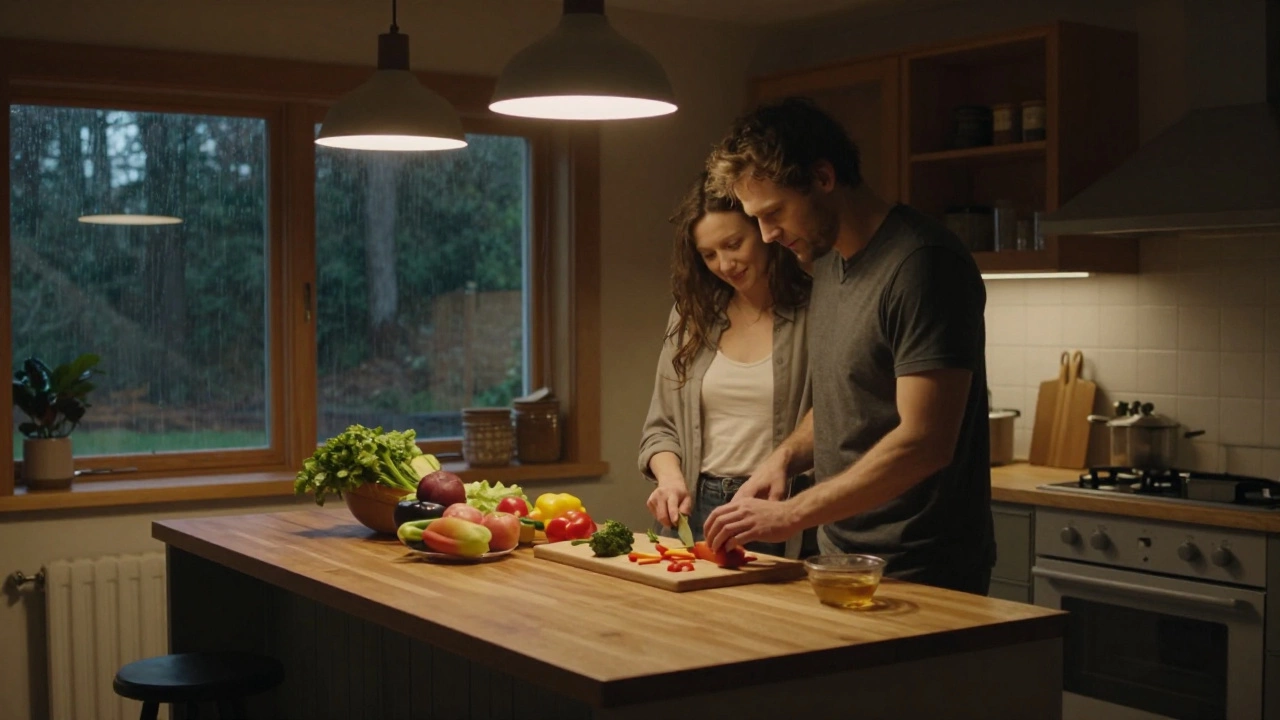
A self-catering cottage comes with a full kitchen. You can buy groceries locally, cook breakfast, prepare lunches, and even whip up a nice dinner while watching the rain hit the windows. Cooking your own meals can cut food costs by 50-70%. If you spend $100 on groceries instead of eating out, you’ve already offset much of the higher nightly rate of the cabin.
Plus, there’s the psychological benefit. Eating at home feels more relaxed and intimate. It turns a meal into part of the experience rather than a transaction. For couples looking for a romantic retreat, this homemade aspect adds significant value without costing extra.
Space and Privacy: What You’re Really Paying For
Hotels sell square footage efficiently. A standard double room is often 250-300 square feet. You get a bed, a small desk, and a bathroom. If you want more space, you pay for a suite, which can easily double the price.
A cabin or cottage typically offers 800-1,500 square feet or more. You get separate living areas, multiple bedrooms, and often outdoor spaces like decks or patios. This isn’t just about luxury; it’s about functionality. If you’re traveling with family or friends, splitting the cost of one large cabin among four people makes it cheaper per person than booking two hotel rooms.
Privacy is another huge factor. In a hotel, you share hallways, elevators, and lobbies with strangers. In a cabin, you have the entire property to yourself. This exclusivity is part of what drives the price up, but it also enhances the sense of escape. For many travelers, the ability to spread out, relax in private, and disconnect from the hustle is worth the premium.
Location and Accessibility: The Trade-Offs
Hotels are usually located in urban centers or near major attractions. This means you can walk to museums, restaurants, and nightlife. The convenience saves time and transportation costs. You don’t need a car to enjoy your stay.
Cabins, on the other hand, are often situated in rural or semi-rural areas. Think forests, mountains, or lakesides. While this provides peace and quiet, it requires a car. If you’re renting a vehicle, fuel, and parking fees add to your expenses. However, if you already have a car, this cost is minimal. Moreover, the lack of immediate access to city amenities can be a pro, not a con. It forces you to slow down, explore nature, and engage in activities like hiking, fishing, or stargazing, which are often free or low-cost.
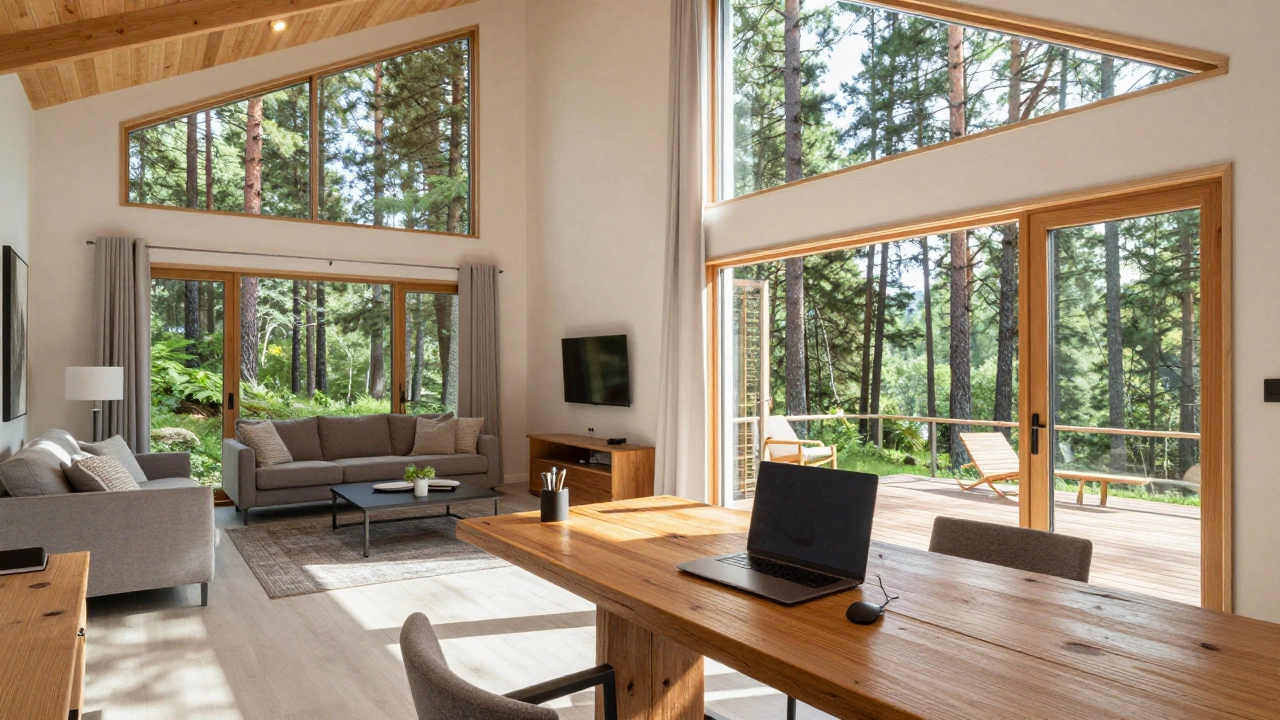
In 2026, with remote work becoming more common, many people use cabins as temporary offices. The spaciousness allows for a dedicated workspace, something a cramped hotel room rarely offers. This blend of work and leisure, often called "workation," makes cabins increasingly attractive for longer stays.
Seasonality and Booking Timing
Pricing for both hotels and cabins fluctuates based on demand. Peak seasons include summer months, winter holidays, and spring breaks. During these times, prices skyrocket for both options. However, cabins tend to have sharper peaks because they’re tied to specific natural attractions (like skiing or beach access).
To get the best deal, book early. For cabins, securing a reservation 3-6 months in advance can lock in lower rates before the last-minute surge. Hotels also offer early bird discounts, but their pricing algorithms are more dynamic, meaning prices can change daily based on occupancy levels.
Shoulder seasons (spring and fall) are your sweet spot. Weather is still pleasant, but crowds are thinner. Both hotels and cabins drop their prices during these periods. If you’re flexible with your dates, you can find exceptional deals on eco-friendly cottages that prioritize sustainability and comfort.
Additional Fees and Fine Print
One area where hotels often hide costs is in resort fees. These mandatory charges, ranging from $20 to $50 per night, cover amenities like Wi-Fi, gym access, and pool usage. They’re added at checkout, catching many travelers off guard.
Cabins usually have transparent pricing. You’ll see a cleaning fee upfront, which is standard for vacation rentals. Some hosts may also charge a security deposit, but this is refundable. Always read the cancellation policy. Hotels often allow free cancellation up to 24 hours before check-in, while cabins may require stricter terms, especially during peak seasons.
Be wary of hidden costs in both categories. For hotels, watch out for parking fees if you’re driving. For cabins, check if utilities (heating, electricity) are included. In colder climates, heating bills can be high, and some hosts pass these costs onto guests.
Which Option Is Right for You?
If you’re looking for a quick urban escape, easy access to dining and entertainment, and a short stay, a hotel is likely cheaper and more convenient. The lack of cooking facilities and smaller space won’t bother you if you’re out exploring most of the day.
If you’re planning a longer getaway, traveling with family or partners, and value privacy, space, and the ability to cook your own meals, a cabin is the smarter financial choice. The initial higher nightly rate is balanced by savings on food, shared costs, and the intangible value of a unique, immersive experience.
Ultimately, the question isn’t just "are cabins cheaper?" It’s "what kind of experience do I want?" Sometimes, paying a bit more for a memorable, relaxing stay in a beautiful setting is worth every penny. Other times, sticking to the basics in a city center makes more sense. Know your priorities, and let that guide your booking.
Are cabins generally more expensive than hotels?
Not necessarily. While the nightly rate for a cabin is often higher, the total cost for a multi-day stay can be lower due to savings on food (cooking your own meals) and potential group discounts. For short stays (1-2 nights), hotels are usually cheaper.
What are the hidden costs of staying in a cabin?
Common hidden costs include cleaning fees (usually $50-$100), security deposits, and potentially high utility costs if heating or air conditioning isn't included. Always check the listing details for these fees before booking.
Do hotels charge resort fees?
Yes, many hotels, especially in tourist areas, charge mandatory resort fees ranging from $20 to $50 per night. These fees cover amenities like Wi-Fi, gym access, and pool usage, and are often added at checkout.
Is it cheaper to rent a cabin for a family?
Often, yes. A single cabin can accommodate a whole family in one unit, whereas a hotel might require two or more rooms. Splitting the cost of one cabin among multiple people usually results in a lower per-person expense than booking multiple hotel rooms.
When is the best time to book a cabin for the lowest price?
The best time to book is during shoulder seasons (spring and fall) or well in advance (3-6 months ahead) for peak seasons. Avoid booking last-minute during holidays or summer weekends, as prices will be at their highest.