
Hawaii Vacation Budget Calculator
Trip Details
Estimated Total Trip Cost
Total Estimated Spend
Room rate + resort fees x nights
Dining out for all meals
Est. 2 drinks/day/person
Money Saving Tip
Switch to a Condo with Kitchen to save approximately $1,250 on food costs by cooking breakfast and lunch yourself!
Picture this: you land in Honolulu, grab your bags, and head straight to a beachfront property. You expect to sit down at dinner, order a cocktail, and not think about the bill until checkout. If you’re used to traveling to Mexico or the Caribbean, that’s how it works there. But if you’re planning a trip to Hawaii, that expectation might cost you more than just disappointment-it could blow your budget.
The short answer is no. Traditional all-inclusive resorts, where food, drinks, activities, and transfers are bundled into one upfront price, are virtually non-existent in Hawaii. There are a handful of properties that offer "all-inclusive" style packages, but they are the exception, not the rule, and they come with caveats. Most Hawaiian hotels operate on a European plan (room only) or American plan (room and breakfast), meaning you pay for every meal, drink, and excursion separately.
Why Doesn't Hawaii Have All-Inclusive Resorts?
To understand why you won’t find a chain like Sandals or Secrets in Waikiki, you have to look at the local culture and economics. Hawaii has a strong emphasis on supporting local businesses. The state government and tourism boards actively encourage visitors to dine at independent restaurants, shop at local markets, and hire local guides for tours. An all-inclusive model keeps money inside the hotel walls, which goes against the grain of the Aloha spirit and the local economy.
Furthermore, the logistics are different. In the Caribbean, many islands are remote, so keeping guests contained within a resort makes sense. Hawaii, however, is a destination rich in diverse experiences spread across multiple islands. Visitors want to explore volcanoes in Big Island, snorkel in Molokini Crater off Maui, or hike the Na Pali Coast in Kauai. These adventures require leaving the hotel, making an all-inclusive model less appealing for the average traveler who wants to see the real island.
The "All-Inclusive" Exceptions: What Actually Exists?
While true all-inclusives are rare, a few high-end properties have introduced packages that mimic the concept. It is crucial to read the fine print because these are often marketed as "luxury packages" rather than traditional all-inclusives.
| Property Name | Island | Package Type | What's Included | Key Limitations |
|---|---|---|---|---|
| Kualoa Ranch (Kane'ohe Bay) | Oahu | Resort Experience | Meals, spa credits, guided tours, shuttle | Not a traditional hotel; limited room count; specific activity schedule required. |
| Halekulani | Oahu | Guests' Choice Package | Daily dining credit ($100+ per day), spa credit, airport transfer | Credit-based, not unlimited; excess charges apply. |
| Moana Surfrider | Oahu | All-Inclusive Package | Breakfast, lunch, dinner, cocktails, water sports | Budget-friendly option; basic accommodations; limited menu variety. |
| Four Seasons Hualalai | Big Island | Luxury Package | Dining credits, golf, spa, excursions | High daily credit amount needed to cover premium dining; not truly unlimited. |
Notice the pattern? Even the properties that use the term "all-inclusive" usually provide a daily credit or a set number of meals. They rarely offer unlimited premium alcohol or open-bar access at all venues. For example, a package might include house wines and domestic beers but charge extra for imported spirits or top-shelf liquors. Always ask what constitutes "premium" before booking.
Understanding Hawaii Hotel Plans
When booking a hotel in Hawaii, you will encounter several industry terms. Knowing these helps you avoid surprise bills.
- Room Only (European Plan): You pay for the bed. Breakfast, lunch, dinner, and drinks are extra. This is the most common plan in Hawaii.
- Bed & Breakfast: Includes the room and a daily breakfast buffet or à la carte meal. Lunch and dinner are extra.
- American Plan: Includes room, breakfast, lunch, and dinner. Rare in Hawaii, mostly found in older historic hotels or during special promotions.
- Modified American Plan: Includes room, breakfast, and one other meal (usually dinner). More common than the full American Plan.
If you see a deal that looks too good to be true, check if it includes meals. Often, low nightly rates exclude the resort fee and taxes, which can add 30-40% to the base price.
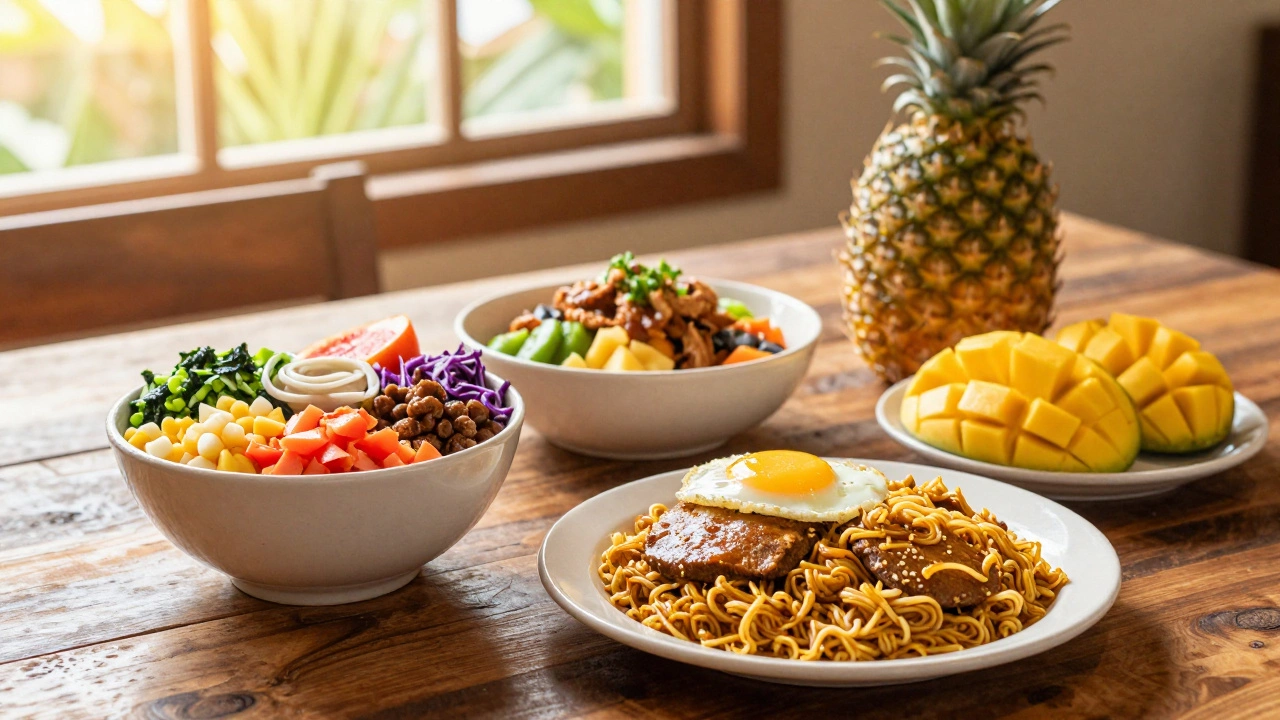
How Much Does Food and Drink Cost in Hawaii?
Since you likely won't have an all-inclusive package, budgeting for food is critical. Hawaii has a higher cost of living due to shipping costs for goods. Here is a realistic breakdown for 2026:
- Cocktails: $15-$25 per drink at hotel bars. Local craft breweries may charge $8-$12.
- Sit-down Dinner: $30-$60 per person for an entrée, excluding drinks and tip. Fine dining can exceed $100 per person.
- Casual Lunch: $15-$25 per person for plates like poke bowls, loco moco, or plate lunches.
- Breakfast: $10-$20 per person at cafes; $25-$40 at hotel buffets.
For a couple staying five nights, dining out three times a day without an all-inclusive package could easily cost $1,500-$2,500. This is why some travelers prefer to book condos with kitchens, allowing them to prepare breakfast and snacks while eating out for dinner.
Alternatives to All-Inclusive: How to Save Money
You don't need an all-inclusive resort to enjoy a stress-free Hawaii vacation. Here are practical strategies to manage costs and maximize value.
1. Book Condos with Kitchens
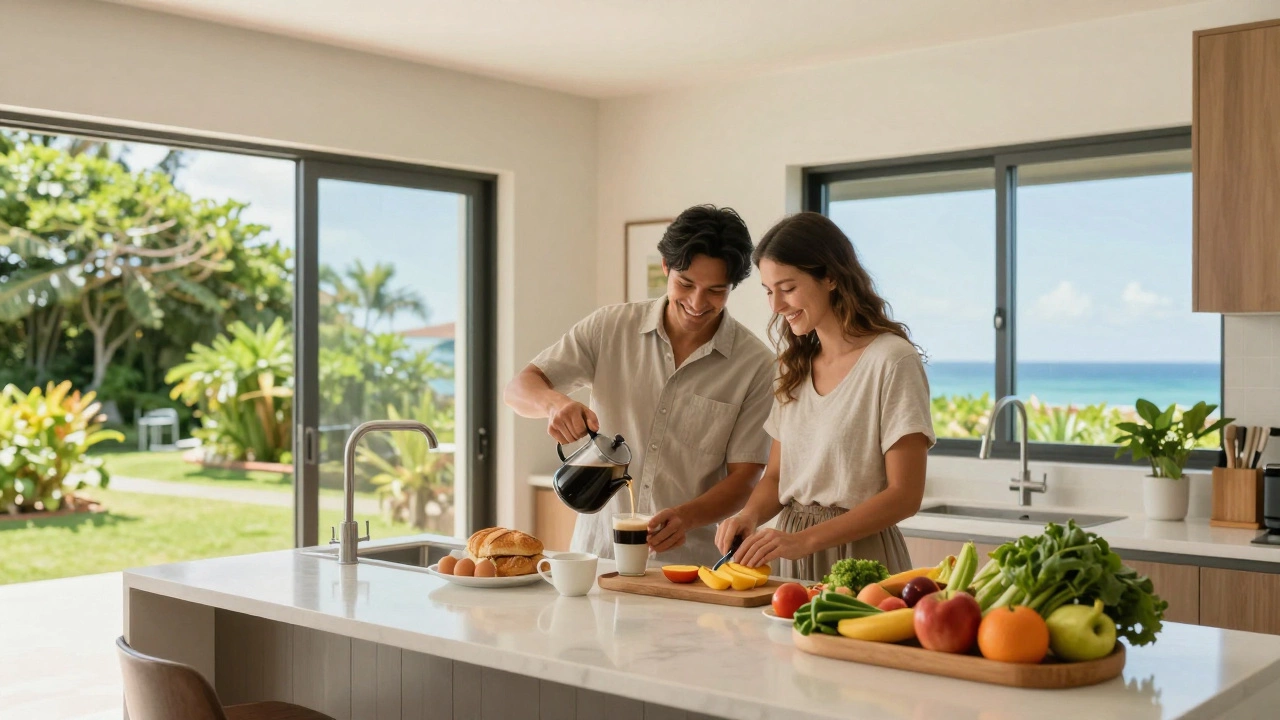
Staying in a condo complex like those in Kaanapali (Maui) or Poipu (Kauai) allows you to buy groceries from local stores like Foodland or Costco. Preparing breakfast, sandwiches, and simple dinners can cut your food bill by half. Many condos also offer free Wi-Fi and laundry facilities, saving on resort fees.
2. Use Dining Credits Wisely
Some hotels offer dining credits as part of their promotion. Instead of trying to stretch a small credit over multiple meals, use it for one nice dinner. Then, eat casually for the rest of the trip. Look for "Happy Hour" specials at local bars, where appetizers and drinks are significantly discounted between 4 PM and 7 PM.
3. Explore Local Eateries
Hotel restaurants are convenient but expensive. Venture a few miles inland or into town. In Waikiki, walk away from the beach strip to find affordable plate lunch spots. In Maui, visit Lahaina or Paia for authentic, reasonably priced food. Locals know that the best food isn't always in the tourist zones.
4. Pack Snacks and Water
Water bottles at hotels cost $5-$8 each. Bring a reusable bottle and fill it up. Pack granola bars, fruit, and chips in your suitcase for quick energy during hikes or beach days. This avoids impulse buys at overpriced kiosks.
Pros and Cons of Non-Inclusive Travel in Hawaii
Choosing not to go all-inclusive has distinct advantages and disadvantages. Understanding these helps you decide if the flexibility is worth the effort.
| Factor | All-Inclusive Style Package | A La Carte (Standard) |
|---|---|---|
| Budget Predictability | High (if you stick to included items) | Low (requires active tracking) |
| Food Variety | Limited to hotel options | Unlimited (try local gems) |
| Flexibility | Low (tied to hotel schedule) | High (eat when and where you want) |
| Local Experience | Minimal | Deep (engage with community) |
| Upfront Cost | Higher initial payment | Lower initial payment |
Tips for Booking Your Hawaii Trip
If you decide to skip the all-inclusive route, here are actionable tips to ensure a smooth experience.
- Read Reviews Carefully: Look for recent reviews mentioning food quality and prices. TripAdvisor and Google Reviews are useful for gauging current costs.
- Check for Resort Fees: These mandatory daily fees (often $30-$50 per night) cover amenities like Wi-Fi and gym access. Factor them into your total budget.
- Book Excursions Early: Popular tours like helicopter rides or snorkeling trips sell out months in advance. Booking early can sometimes secure discounts.
- Use Credit Card Perks: Some travel credit cards offer dining rewards or travel insurance. Check if your card provides benefits for missed connections or delayed flights.
- Consider Off-Peak Travel: Visiting in late spring (May-June) or early fall (September-October) can mean lower hotel rates and fewer crowds.
Final Thoughts on Hawaii Vacation Planning
Hawaii offers a unique blend of natural beauty, cultural richness, and culinary diversity that an all-inclusive resort simply cannot replicate. While the lack of traditional all-inclusive options might seem daunting, it opens the door to a more authentic and flexible travel experience. By choosing condos with kitchens, exploring local eateries, and budgeting wisely, you can enjoy the islands without breaking the bank. Remember, the goal is to soak in the Aloha spirit, not just stay within the hotel walls.
Are there any true all-inclusive resorts in Hawaii?
No, there are no traditional all-inclusive resorts in Hawaii like those found in the Caribbean. However, a few properties such as Kualoa Ranch and Moana Surfrider offer packages that include meals and activities, but they are not unlimited and often have restrictions.
Why are all-inclusive resorts not popular in Hawaii?
Hawaii's tourism model encourages visitors to support local businesses, including restaurants and tour operators. All-inclusive resorts keep spending within the hotel, which contradicts the local economic strategy. Additionally, the diverse attractions across multiple islands make visitors want to explore beyond the property.
How much should I budget for food in Hawaii per day?
A reasonable budget for food in Hawaii is $100-$150 per person per day if you eat at mid-range restaurants and include drinks. If you cook some meals in a condo kitchen, you can reduce this to $50-$75 per person per day.
Do Hawaii hotels include breakfast?
Most Hawaii hotels do not include breakfast unless you book a specific "Bed & Breakfast" package or stay at a budget motel. Luxury hotels may offer complimentary continental breakfast, but full buffets are usually charged separately.
Is it cheaper to eat out or cook in Hawaii?
Cooking in a condo with a kitchen is significantly cheaper. Grocery shopping at local stores like Foodland or Costco allows you to save 50% or more on food costs compared to dining out for every meal. This is especially beneficial for families or longer stays.