Cabin vs. Hotel Budget Estimator
Trip Details
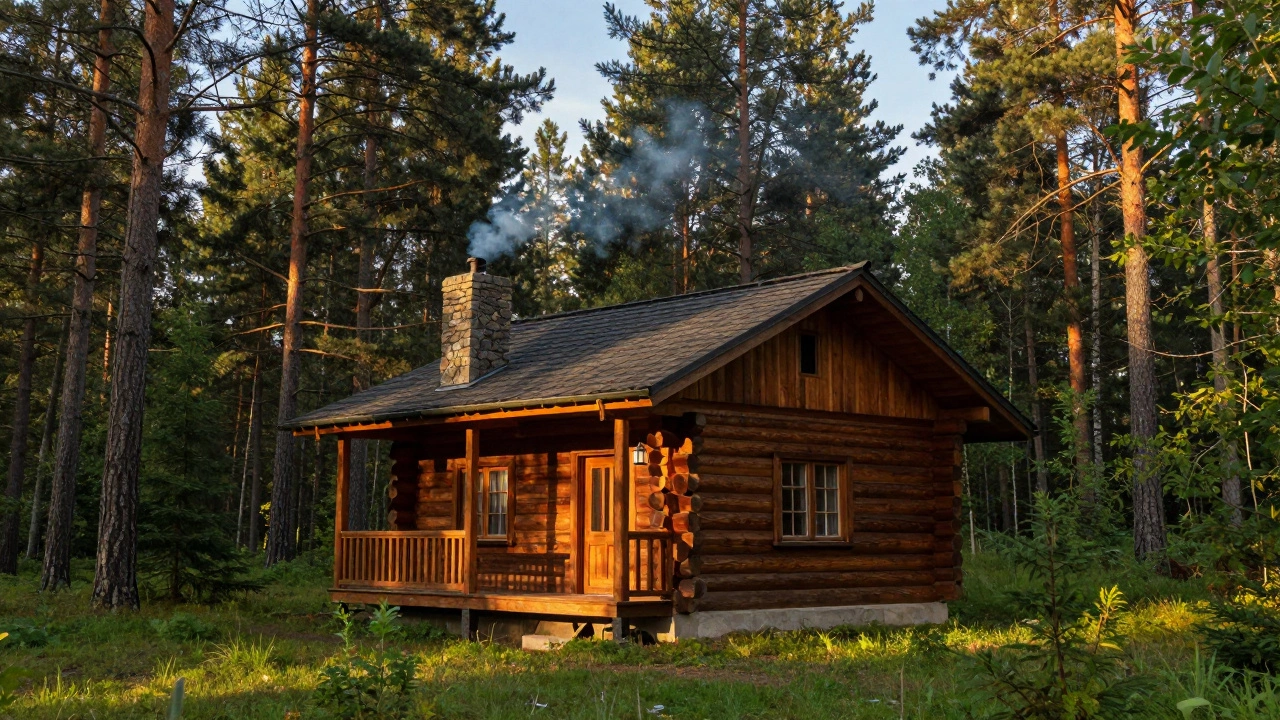
You've seen the photos: a cozy log structure tucked away in a pine forest, a crackling fire, and a view that makes you forget your email password. But when you look at the price tag for a weekend in a vacation cabin is a seasonal residential dwelling, typically made of wood, located in rural or wilderness areas for leisure and tourism. Also known as a holiday cottage, these properties offer a secluded alternative to traditional hotels., you start to wonder if the "magic" is just a clever marketing trick. Does the lack of room service and the potential for spiders in the shower make the experience better or just more stressful?
Deciding if a cabin is worth it depends on what you're actually chasing. If you want a curated, pampered experience where someone brings you towels every six hours, a cabin is probably a mistake. But if you're looking for a way to actually disconnect-meaning your phone has zero bars and your only schedule is when the coffee finishes brewing-then the value proposition changes. For couples, specifically those seeking romantic cottages, the value isn't in the amenities, but in the intimacy and silence that a standard hotel room simply can't provide.
Quick Breakdown: The Trade-offs
| Feature | Vacation Cabin | Standard Hotel |
|---|---|---|
| Privacy | High (Stand-alone) | Medium (Shared Walls) |
| Kitchen | Full Access | Mini-bar / Coffee Pot |
| Atmosphere | Immersive Nature | Standardized Luxury |
| Effort | Self-Sufficient | Fully Serviced |
The Financial Reality: Renting vs. Owning
When people ask if cabins are "worth it," they usually mean one of two things: is the rental price justified, or should I buy one as an investment? Let's look at the rental side first. Renting a cabin often costs more per night than a budget hotel, but you save significantly on food. When you have a full kitchen, you aren't paying 30% markups on every meal at a touristy resort. For a couple on a three-day trip, cooking a few meals at the cabin can offset the higher nightly rate.
Now, owning a cabin is a completely different beast. Many people imagine a passive income stream through Short-Term Rentals, but the reality involves a lot of "hidden" work. You aren't just managing a property; you're managing a remote site. If a pipe bursts in February in a snowy region, you can't just call a building manager. You're paying for specialized maintenance and often higher insurance premiums because wood structures are a higher fire risk than concrete buildings.
If you buy a cabin specifically as a Real Estate Investment, you need to calculate your occupancy rate. In many popular mountain regions, cabins hit 80% occupancy in the winter but drop to 20% in the late spring. If your mortgage depends on a steady monthly check, the seasonality of a cabin can be a financial nightmare. However, if the goal is a personal sanctuary that occasionally pays for itself, the emotional ROI is hard to quantify but often outweighs the ledger.
Psychological Value: The "Digital Detox" Effect
There is a scientific reason why we feel better in cabins. It's called Biophilia-the innate human tendency to seek connections with nature. Staying in a cabin isn't just about the bed; it's about the sensory shift. The smell of cedar, the sound of wind through the trees, and the lack of blue light from city smog actually lower your cortisol levels. A study on forest bathing (Shinrin-yoku) showed that spending time in these environments significantly reduces blood pressure and improves mood compared to urban settings.
For those struggling with burnout, a cabin provides a physical boundary. In a city hotel, you're still in a concrete box, and the noise of traffic is always there. In a secluded cottage, the environment forces you to slow down. You can't just "run out" to a 24-hour pharmacy or a loud bar. This forced simplicity is where the real value lies. It turns a simple trip into a mental reset, which is arguably worth more than any luxury spa treatment.
The Downside: What They Don't Show in the Brochure
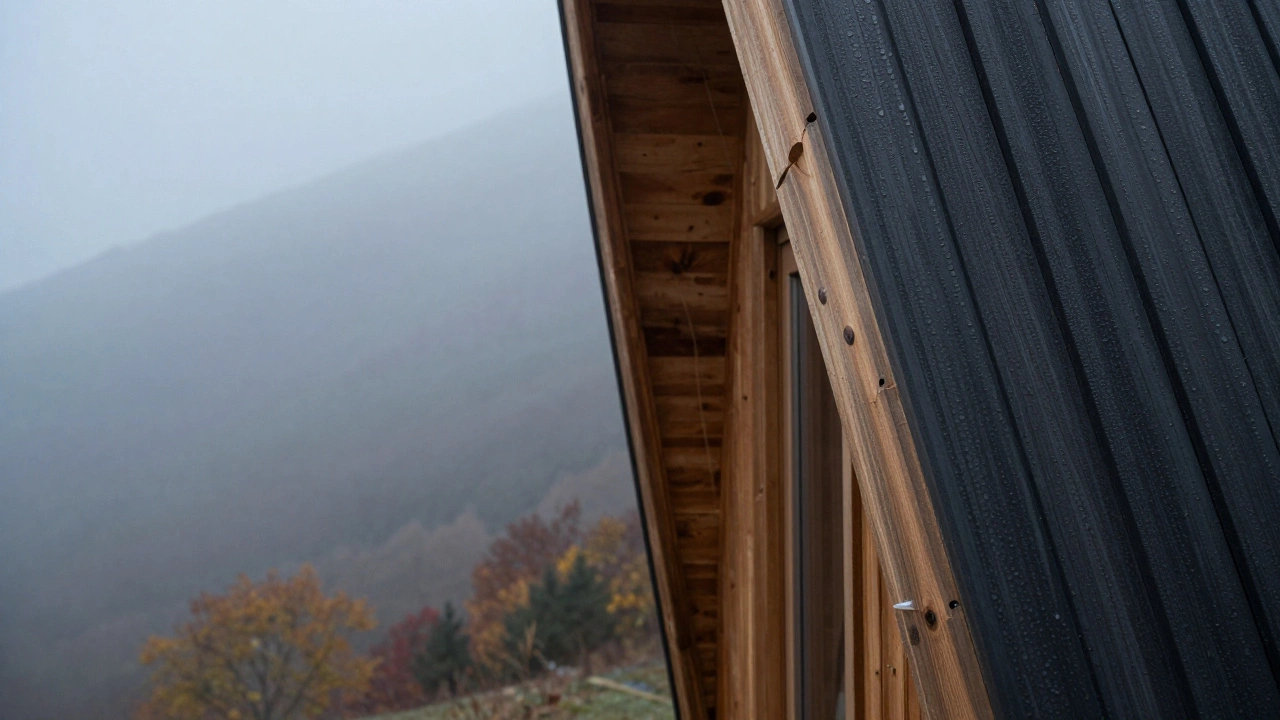
Let's get real for a second. The "rustic charm" mentioned in a listing is often code for "the Wi-Fi doesn't work and the floors creak." Depending on the quality of the cabin, you might deal with pests, drafty windows, or a lack of consistent hot water. If you are someone who needs a climate-controlled environment to feel relaxed, a traditional cabin might actually stress you out.
Then there is the accessibility issue. Many of the most "worth it" cabins are located at the end of a dirt road that requires a 4x4 vehicle. If you show up in a compact sedan during a rainy season, your vacation might start with a tow truck bill. Also, consider the "work" involved. In a hotel, you leave your trash on the desk. In a cabin, you're often expected to take your garbage to a central collection point, wash your own dishes, and sometimes even chop wood for the fireplace. For some, this is part of the adventure; for others, it's just more chores.
Choosing the Right Cabin for Your Goals
To determine if a cabin is worth it for your specific trip, you need to identify your primary objective. Are you trying to save money, rekindle a relationship, or simply escape the world? Your choice of property should reflect that.
- For Romance: Look for cabins with a Hot Tub or a fireplace. The value here is in the shared experience. A small, well-curated romantic cottage is usually worth the premium because it focuses on atmosphere over square footage.
- For Families: Prioritize cabins with separate bedrooms and a large common area. The value here is the ability to coexist without being on top of each other, something a suite of hotel rooms can't offer.
- For Solitude: Search for "off-grid" or "secluded" properties. Ensure the cabin has a porch or outdoor seating area. The value is the silence.
A good rule of thumb is the "Two-Hour Rule." If the cabin is more than two hours away from the nearest town, ensure you have a comprehensive grocery list and a first-aid kit. The further you go into the wilderness, the more the "worth it" factor depends on your level of preparation. Nothing kills the romantic vibe of a cottage faster than realizing you forgot the coffee filters and the nearest store is a 40-minute drive over a gravel road.
Is the Investment in a Cabin Worth It Long-Term?
If you are considering buying, you have to look beyond the nightly rate. Consider the Depreciation of the structure. Wood requires significantly more maintenance than brick or siding. You'll be staining the exterior every few years to prevent rot and checking the roof for leaks after every major storm. These costs eat into your profit margins.
However, the trend toward "slow travel" and sustainable tourism is growing. People are increasingly willing to pay a premium for authentic, nature-based stays over sterile hotels. This means that a well-maintained, unique cabin in a desirable location-like the Blue Ridge Mountains or the Scottish Highlands-will likely appreciate in value. The key is to create a "destination" experience. Don't just provide a bed; provide a curated environment with local guides, high-quality linens, and perhaps a unique feature like an outdoor shower or a reading nook.
Are cabins more expensive than hotels?
Usually, yes, the nightly rate is higher for a private cabin. However, because you have a kitchen and more living space, you often spend much less on dining out and entertainment, which can make the total trip cost comparable or even cheaper than a hotel stay.
What should I check before renting a cabin?
Always check the road access requirements (do you need 4WD?), the actual Wi-Fi speed (don't trust "fast Wi-Fi" in a listing), and the heating source. Also, clarify who is responsible for trash removal and linens to avoid unexpected cleaning fees.
Is it a good idea to buy a cabin as an Airbnb?
It can be very profitable, but it is not passive income. You will deal with high seasonal volatility and increased maintenance costs due to the nature of wood buildings. It is worth it if you enjoy property management and have a location with strong year-round appeal.
Do cabins have better privacy than hotels?
Absolutely. Most cabins are stand-alone structures with their own land, meaning you don't have neighbors on the other side of a wall or crowds in a lobby. This makes them the ideal choice for couples and people seeking a quiet retreat.
What makes a cabin "romantic"?
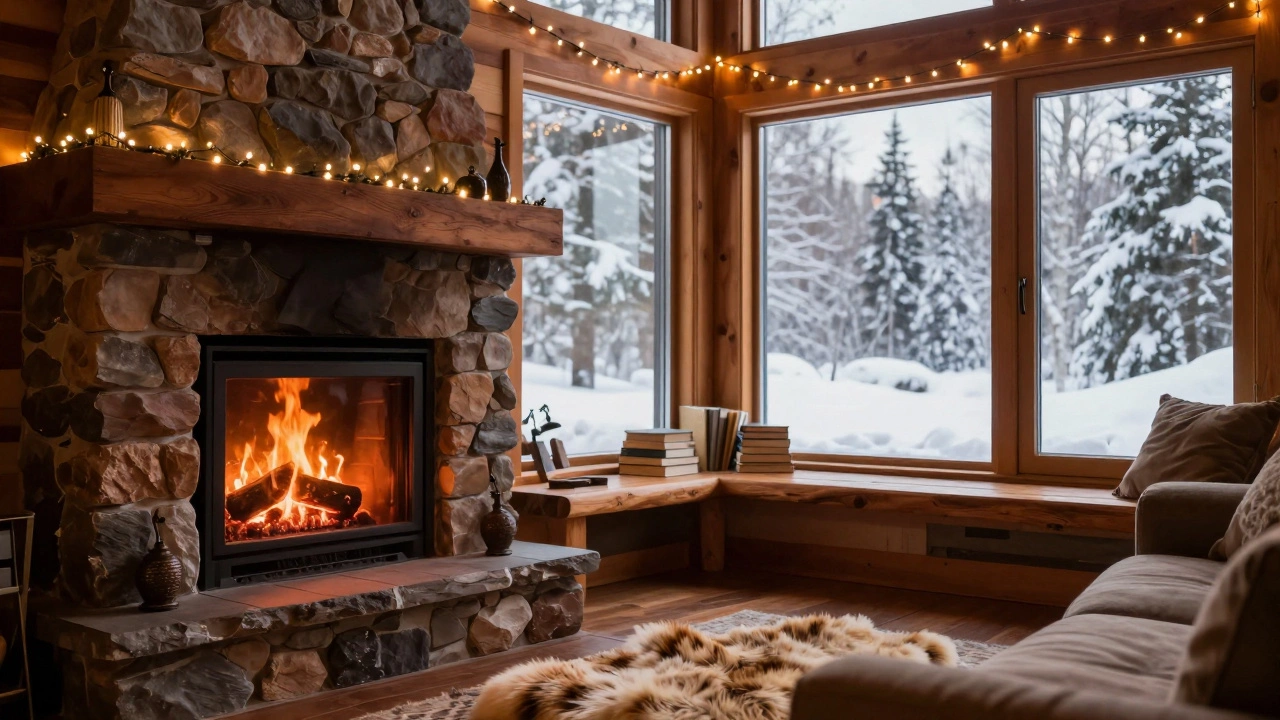
The combination of seclusion, warm lighting (like a fireplace), and immersive nature. Features like a hot tub, a cozy reading nook, and the ability to cook together in a private space create an intimacy that is difficult to replicate in a standard hotel room.
Next Steps for Your Search
If you're still on the fence, start small. Instead of buying a property or booking a week-long stay, try a two-night "micro-break" at a highly-rated rental. This allows you to see if you actually enjoy the lack of services and the proximity to nature without committing a huge amount of money. Pay attention to how you feel after 48 hours-do you feel refreshed or are you itching for the convenience of a city? Your answer to that will tell you exactly if vacation cabins are worth it for you.