Eco Friendly Living: Simple Steps for a Greener Life
Ever wonder how a few small changes can shrink your carbon footprint? The answer often starts at home. From tiny houses that last decades to modern cottages built with renewable materials, there are real‑world options that let you live comfortably while caring for the planet.
Eco‑friendly cottages are more than a trendy buzzword. They use insulation made from recycled fibers, solar panels that slash electricity bills, and rainwater systems that cut water waste. The result? A home that feels cozy, looks stylish, and leaves a lighter mark on the environment.
One common question is how long these green homes last. A recent guide on tiny house durability shows that well‑built tiny homes can stand the test of time for 30‑plus years when owners keep up with basic maintenance. The same principle applies to larger cottages – good design and regular care keep them strong and sustainable.
Why Eco‑Friendly Cottages Matter
Choosing a cottage built for the environment does more than save energy. It supports local suppliers who source timber, stone, and bricks responsibly. It also encourages construction methods that reduce waste, like modular building or using reclaimed wood. When you stay in a cottage that follows these practices, you’re backing a supply chain that respects nature.
Many travelers look for green getaways in places like Croyde, where the ocean view pairs with low‑impact lodging. Resorts that invest in energy‑efficient heating and cooling, or that offer electric car charging stations, give guests a guilt‑free vacation. That's the kind of experience Ocean’s Reach Retreats aims to provide – beauty without compromise.
Everyday Tips to Reduce Your Footprint
You don’t need to move into a cottage overnight to start living greener. Swap out incandescent bulbs for LEDs – they use up to 80% less energy and last longer. Add a programmable thermostat so heating only runs when you’re home, and seal drafts around windows with simple weather‑stripping.
Food waste is another hidden carbon source. Keep a small compost bin in your kitchen for veggie scraps, or use a community compost drop‑off if you live in an apartment. Eating more plant‑based meals even a few times a week can slash the emissions tied to meat production.
Transportation often tops carbon calculators. Carpooling with coworkers, biking to the market, or taking public transit for longer trips helps a lot. If you’re planning a holiday, look for eco‑friendly rental options that provide bicycles or promote walking tours.
Water use is easy to trim too. Install low‑flow showerheads and faucet aerators; they shave off gallons without sacrificing pressure. Fixing a leaky tap promptly can save thousands of liters a year.
Finally, support places that rank high on sustainability. Cities and states that invest in renewable energy, green public spaces, and strict building codes tend to offer better infrastructure for eco‑living. Knowing which areas lead the charge can guide your next travel or relocation decision.
Living eco‑friendly isn’t a radical overhaul; it’s a series of small, smart choices that add up. Start with one change today – whether it’s swapping a bulb, buying a locally sourced pillow, or booking a stay at a green cottage. Your planet will thank you, and you’ll likely feel better knowing you’re part of the solution.
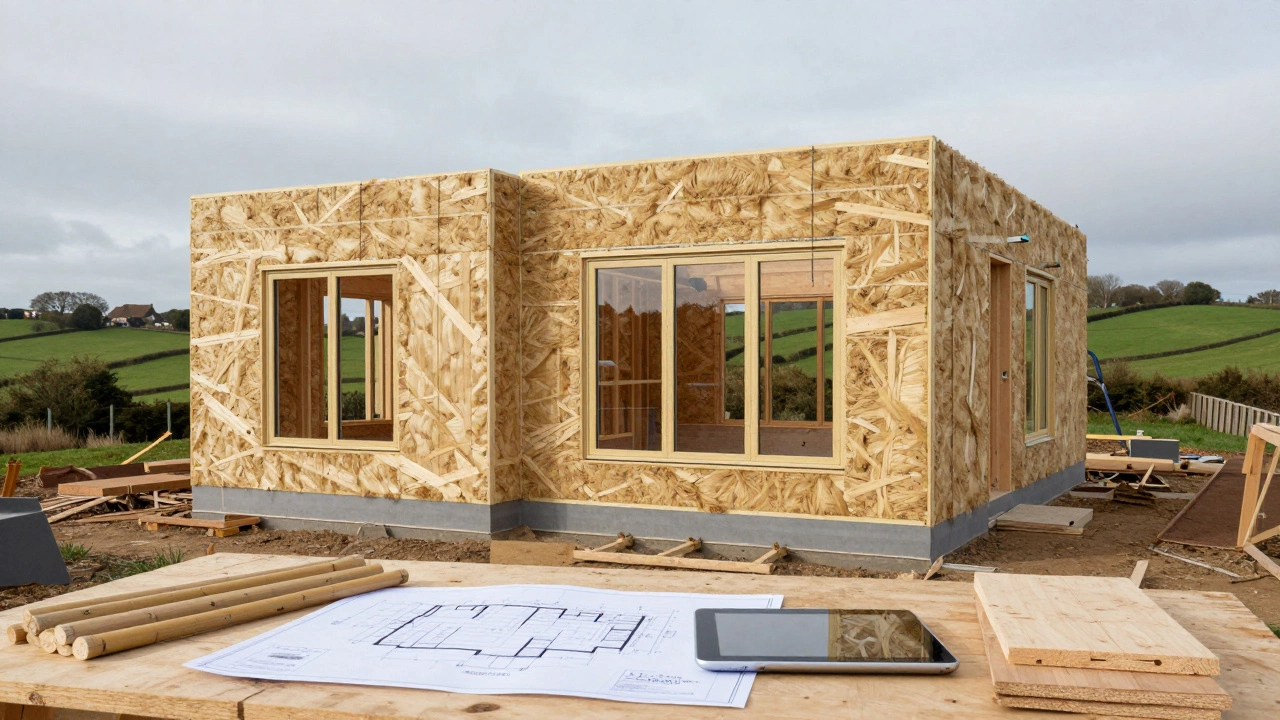
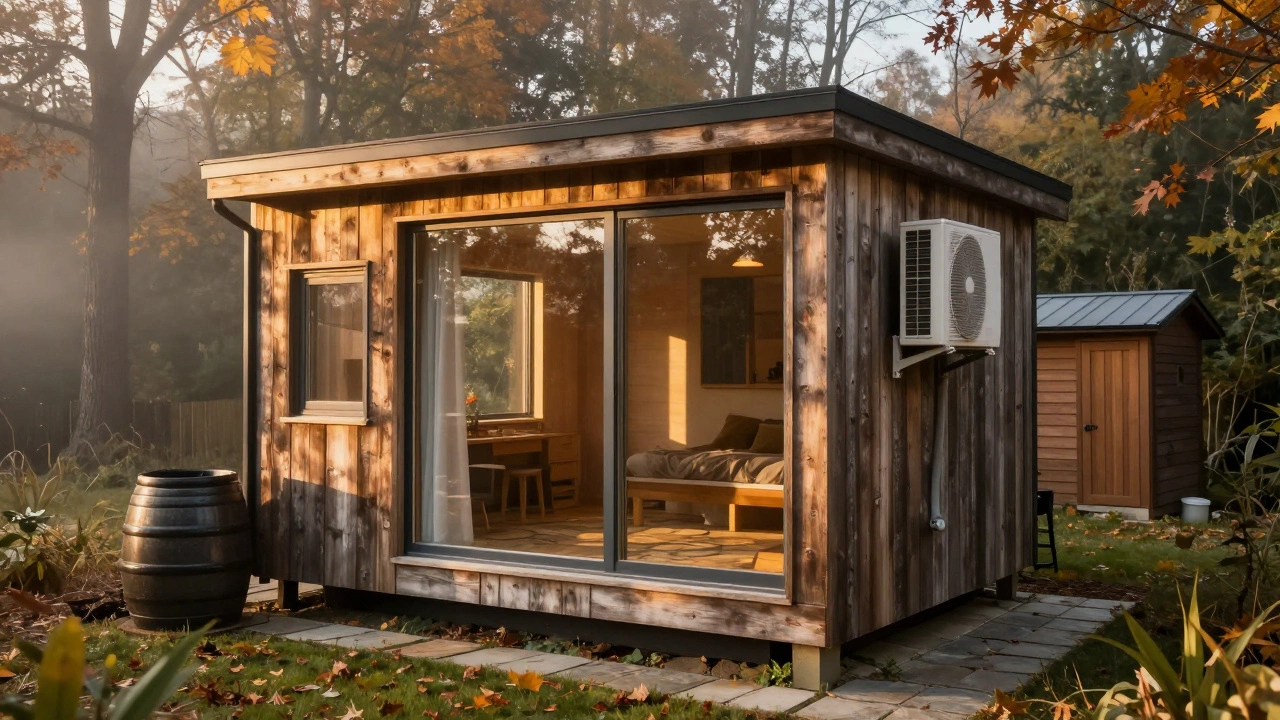
How Are Tiny Houses Eco-Friendly? The Real Reasons They Cut Waste, Energy, and Footprint
Tiny houses slash energy use, cut waste, and reduce carbon footprints by design. Learn how their small size, sustainable materials, and smart systems make them one of the most eco-friendly housing options today.
View More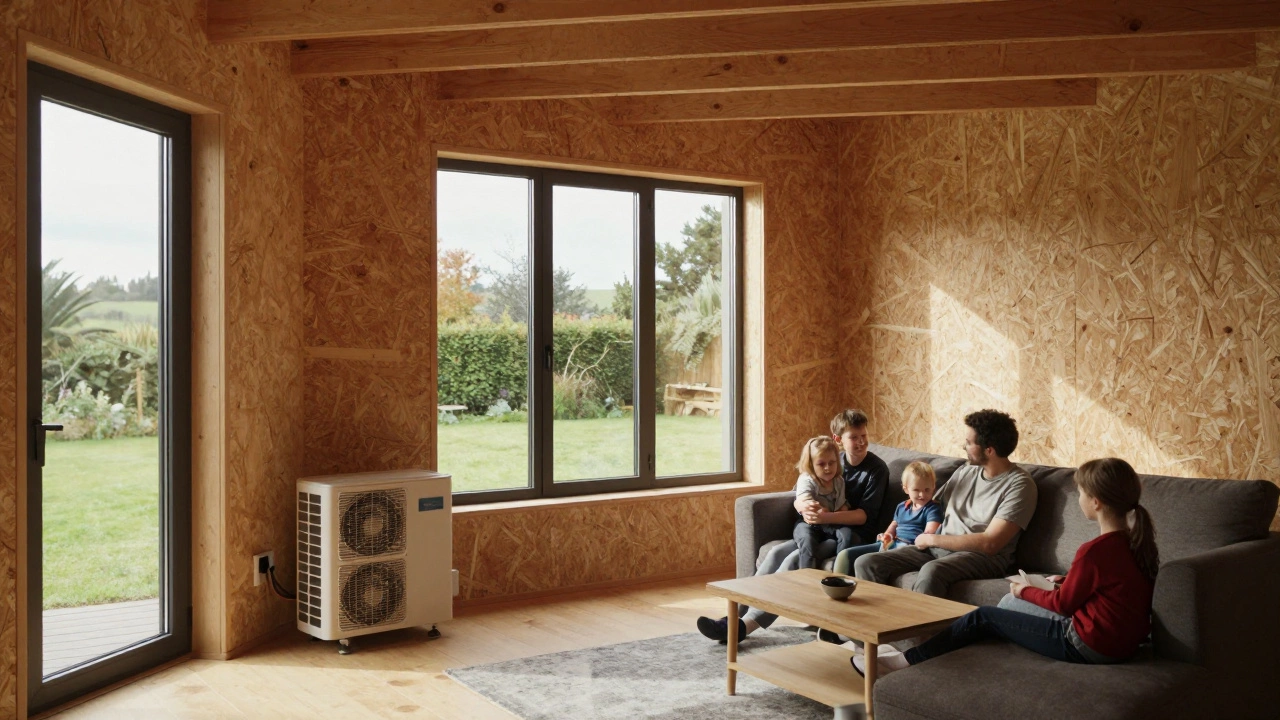
What Is the Most Environmentally Friendly House to Build?
The most environmentally friendly house to build is a passive house-designed to use 90% less energy than a standard home. It combines super-insulation, airtight construction, and heat recovery ventilation to create a comfortable, low-impact home that lasts for decades.
View More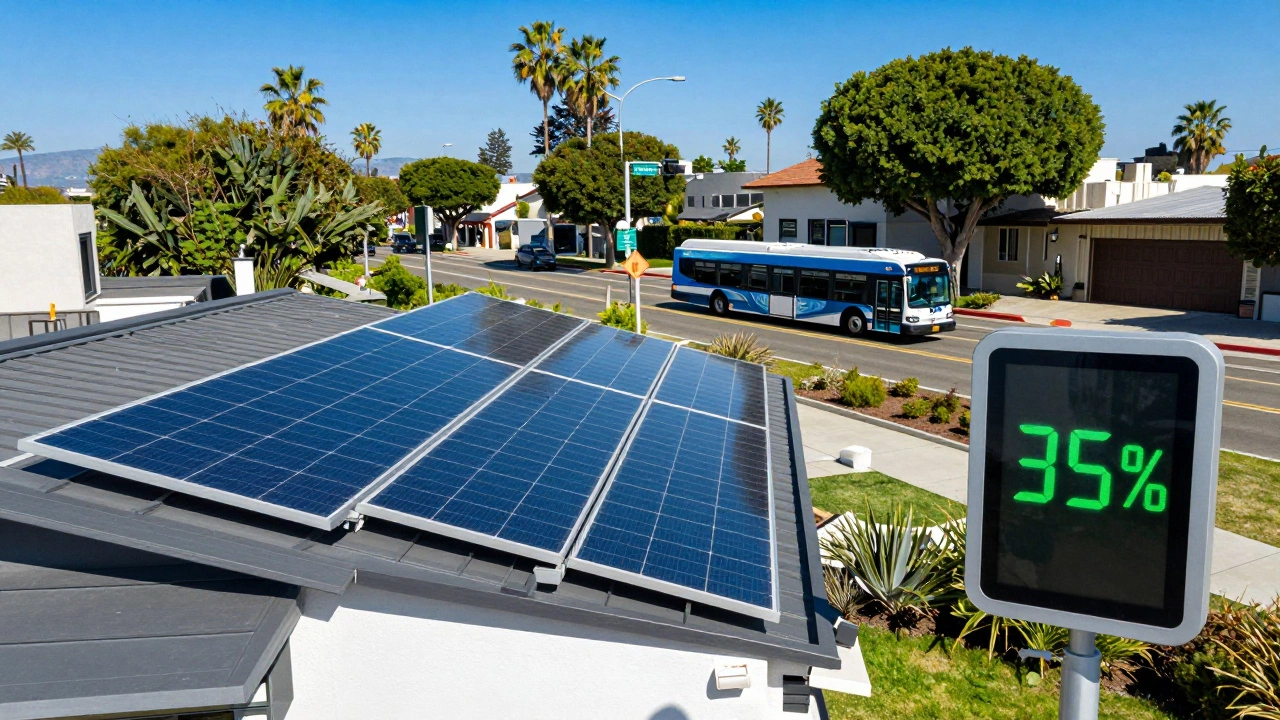
What Is the Greenest State in the US? Top Eco-Friendly State for 2025
California, Washington, and Oregon lead as the greenest states in the US in 2025 due to strong renewable energy policies, efficient building codes, and public commitment to sustainability-making them ideal for eco-friendly cottages and sustainable living.
View More
Who Owns the Biggest House in the USA? The Truth Behind the Largest Eco-Friendly Estate
The biggest house in the USA is the Biltmore Estate, but the most sustainable one belongs to Costco co-founder James Sinegal. Discover how a 72,000-square-foot eco-friendly mansion runs on solar power, reclaimed materials, and net-zero energy.
View More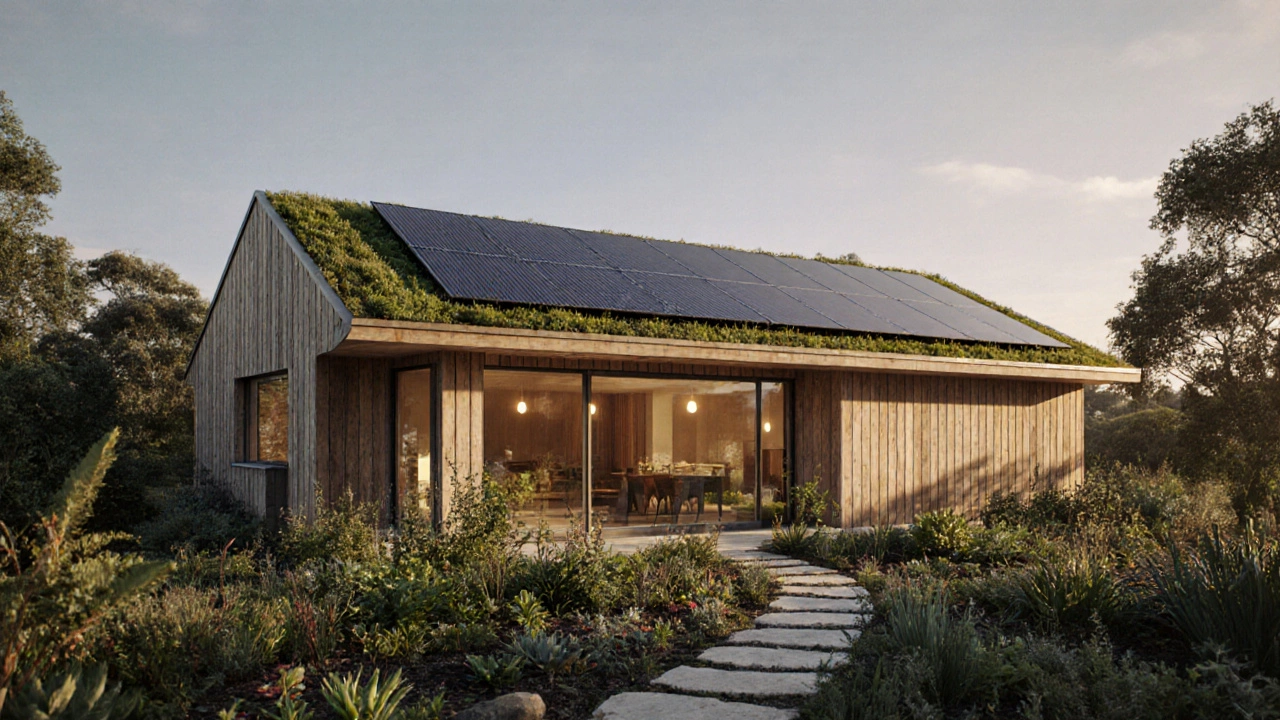
The Most Eco‑Friendly Home: Design, Materials & Smart Strategies
Explore the definition, design tricks, green materials and tech that make a home truly eco‑friendly, plus a checklist and real‑world example.
View More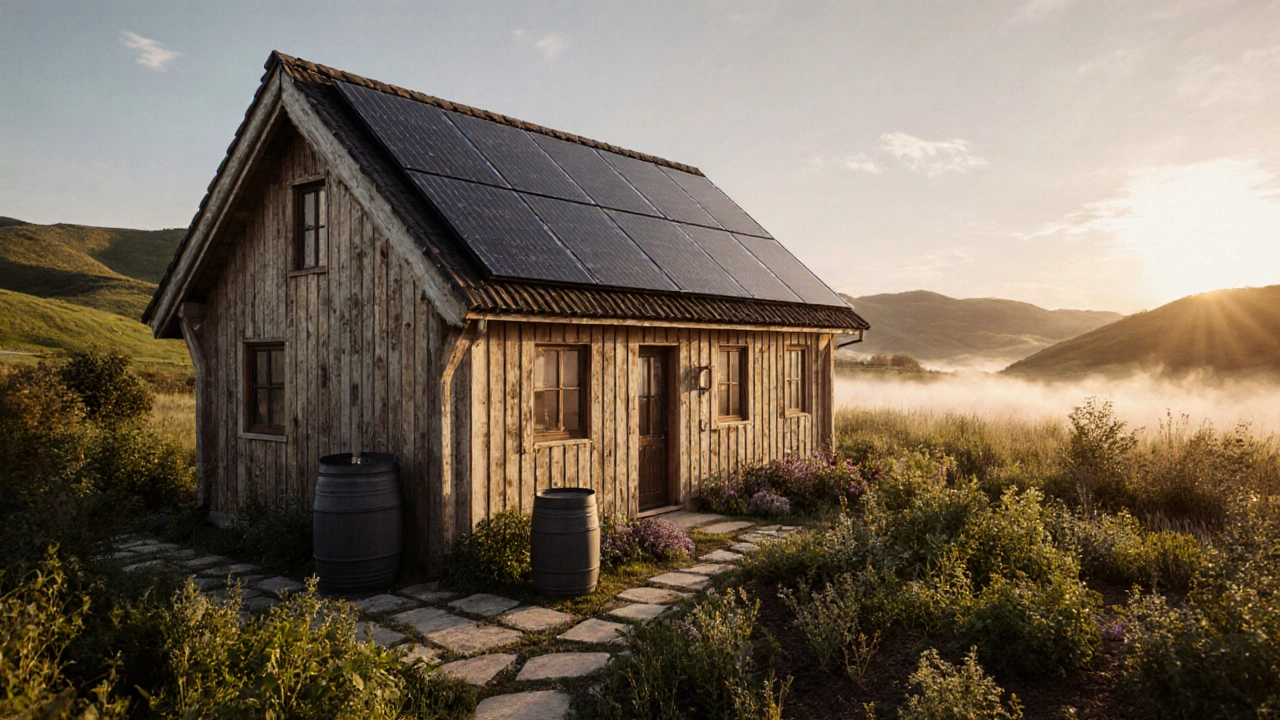
Most Sustainable Places to Live: Eco‑Friendly Cottage Guide
Explore the most sustainable places to live, from eco‑friendly cottages to passive houses and zero‑energy homes, with practical checklists and community tips.
View More
How Long Do Tiny Houses Last? Tiny Home Lifespan and Durability Guide
Explore how long tiny houses really last, what affects their durability, and smart ways to make your tiny home go the distance. Real facts for tiny house fans.
View More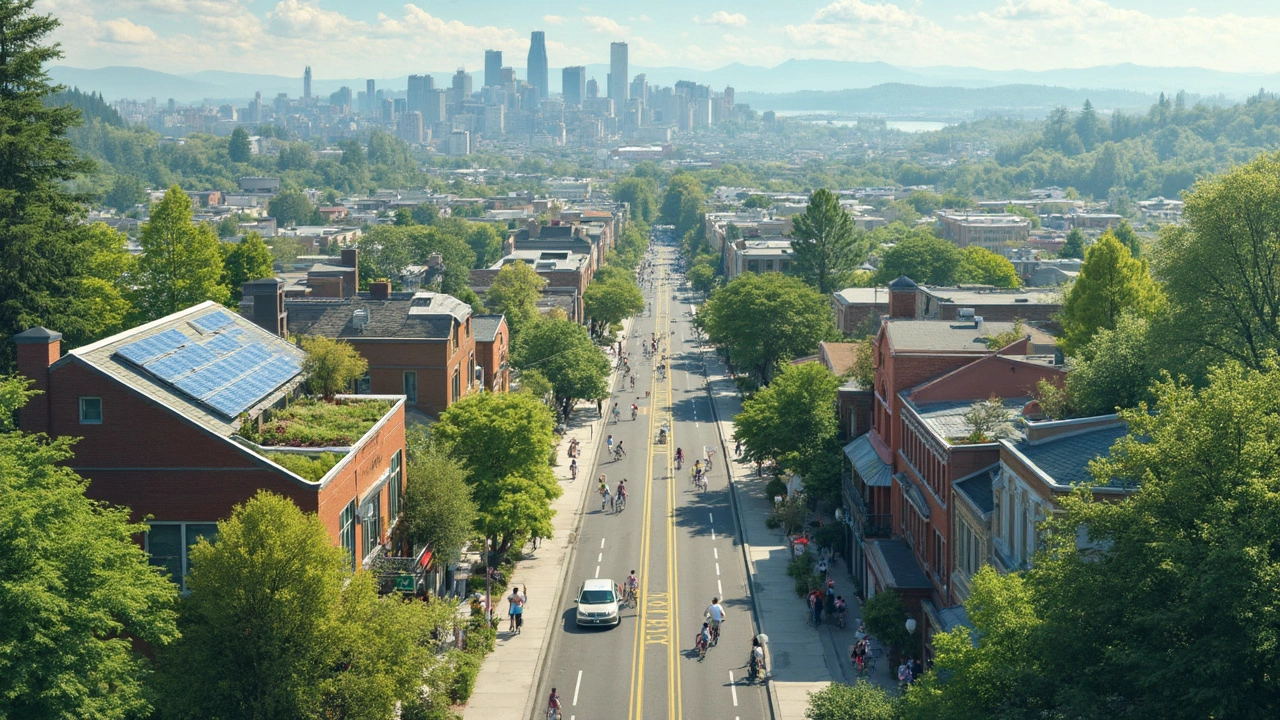
Which American City Leads in Eco-Friendly Living? Sustainable Destinations Unveiled
Uncover America's greenest cities. Explore sustainability, real-life facts, and practical tips for urban eco-living in this revealing guide.
View More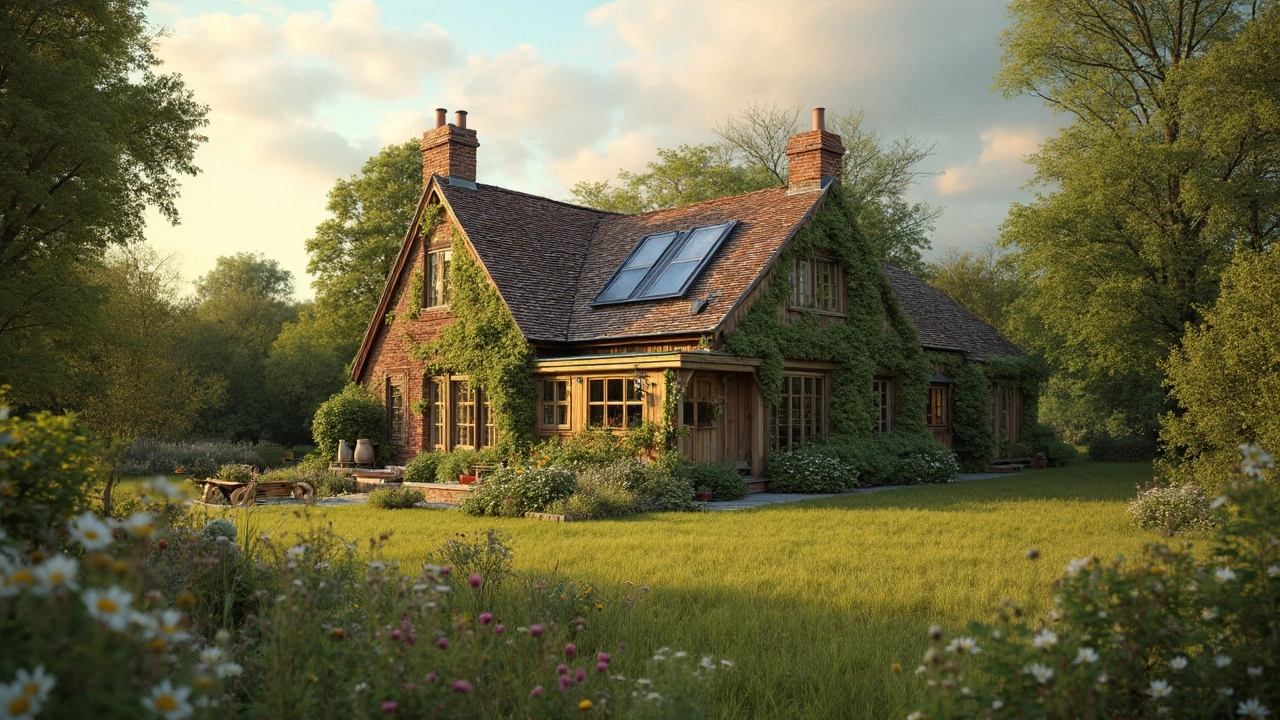
What is the Least Expensive State to Build an Eco-Friendly Cottage?
Building eco-friendly cottages is becoming a popular choice for many, but costs can vary dramatically across the United States. This article explores the least expensive states to build a sustainable home, emphasizing factors like land prices, building regulations, and eco-conscious materials. Insightful tips on budget-friendly green construction methods are also provided, helping readers make informed decisions. This guide is perfect for those looking to combine affordability with sustainability.
View More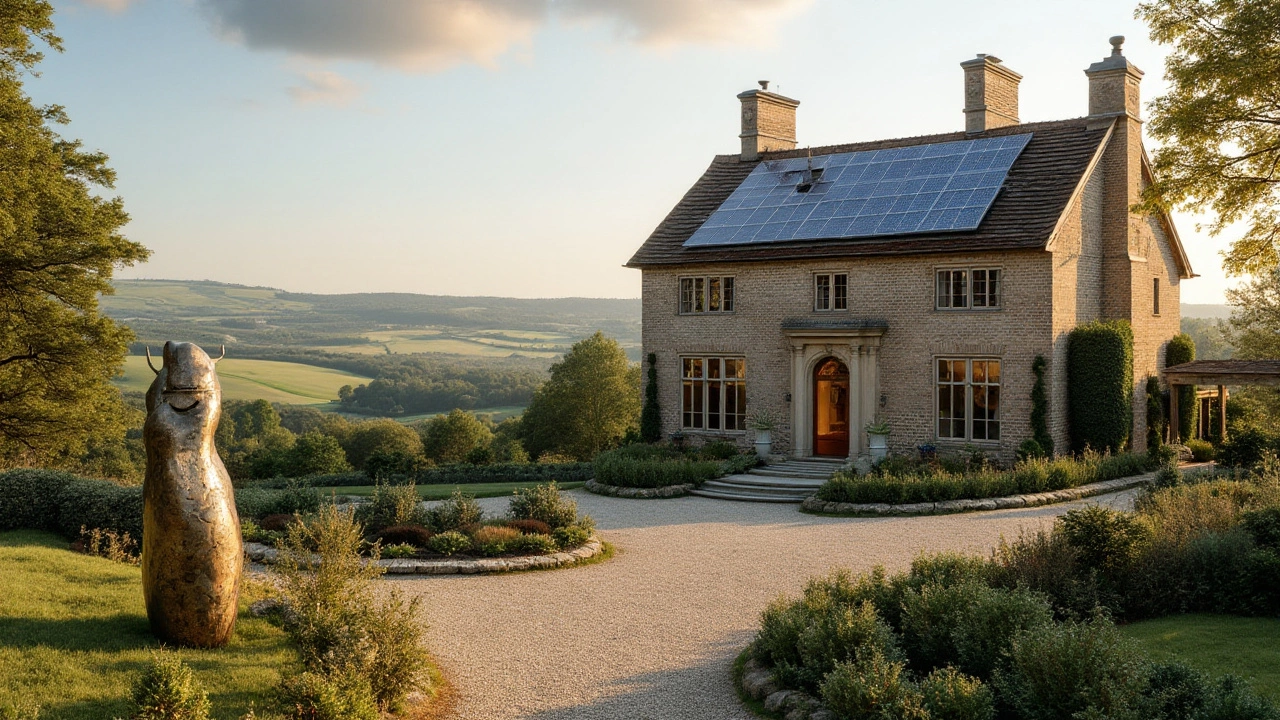
World's Most Luxurious Eco-Friendly Cottages Owned by Billionaires
In the realm of luxury, some billionaires are going beyond opulence to invest in eco-friendly homes that blend extravagance with sustainability. These exceptional estates are not just architectural marvels but also reflect a growing trend among the ultra-wealthy to embrace green living. Discover which billionaire boasts the most expensive eco-friendly cottage, the environmentally conscious features that it includes, and insights into the growing popularity of sustainable luxury homes.
View More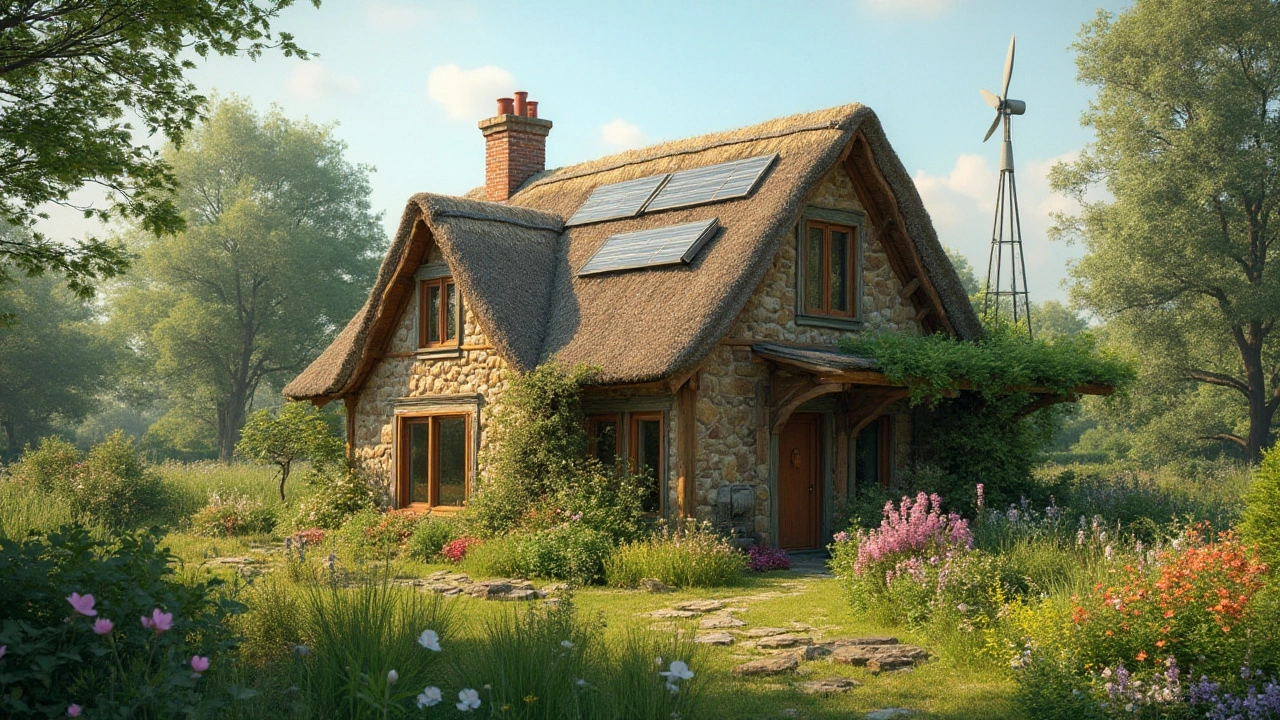
Eco-Friendly Cottages: The Greenest Housing Options for a Sustainable Future
Exploring the world of eco-friendly cottages unveils a range of sustainable housing options that prioritize environmental preservation. These cottages are designed to minimize carbon footprint while offering comfortable living spaces. By using renewable materials and implementing energy-efficient systems, eco-friendly cottages serve as a perfect blend of sustainability and practicality. Learn how these homes help conserve resources and promote a greener lifestyle.
View More