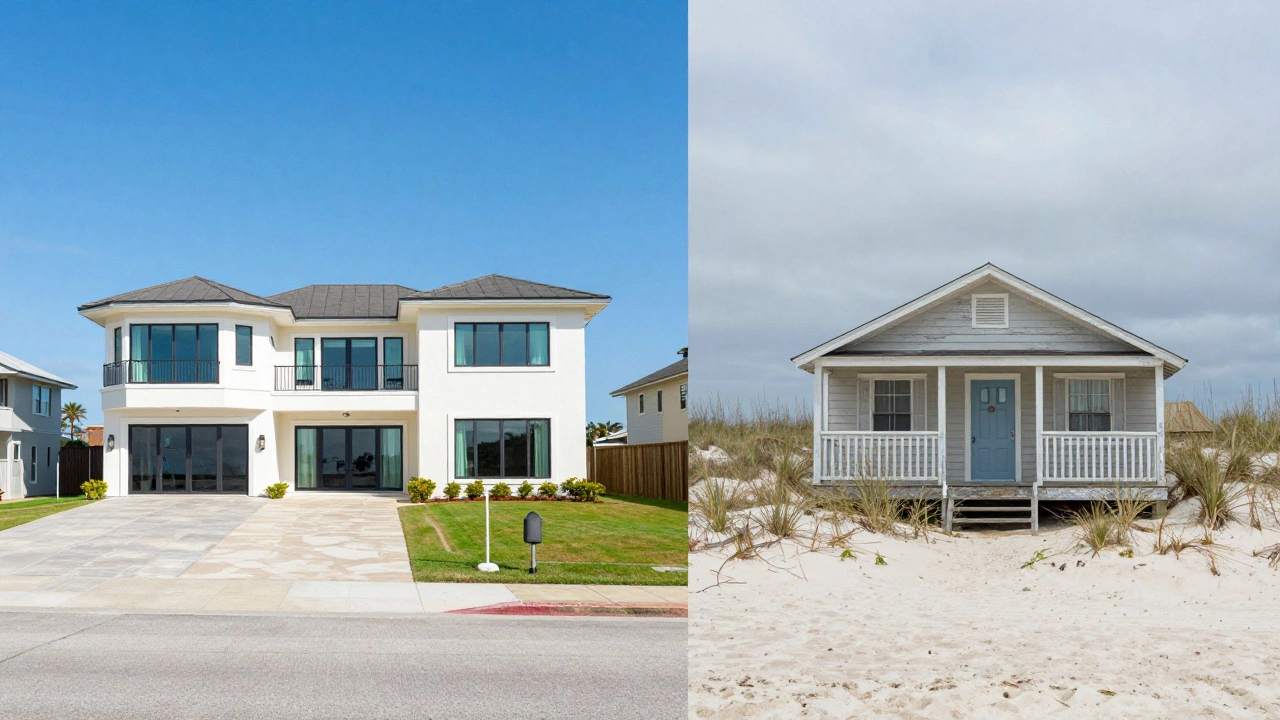
Total Cost of Coastal Ownership Calculator
Configuration
Buying a home where the sand meets your doorstep used to be a fantasy reserved for millionaires. But if you look at the data from early 2026, that narrative is shifting. The dream of owning oceanfront property is becoming accessible to middle-income buyers, provided you know exactly where to look. You don't need a yacht budget anymore; you just need to steer away from the postcards.
The question isn't just "which state is cheapest?" It's about finding the sweet spot between low entry price, manageable insurance costs, and long-term value. Some states offer dirt-cheap land but come with hurricane risks that will bankrupt you. Others have low prices but zero appreciation potential. Let’s cut through the noise and look at the actual numbers driving the coastal real estate market right now.
The Real Cost of Coastal Living
Before we name names, we have to talk about the hidden killer of cheap beach houses: insurance. In 2025 and 2026, homeowners insurance rates in coastal zones skyrocketed. A $300,000 house in Florida might cost $8,000 a year to insure. That changes the math entirely. When people ask for the cheapest state, they usually mean the purchase price. But smart buyers calculate the total cost of ownership.
To find true affordability, we look at three metrics:
- Median Sale Price: What you pay the seller.
- Property Taxes: Annual levies based on location and value.
- Insurance Premiums: Wind, flood, and hazard coverage.
When you stack these up, the Gulf Coast and parts of the Mid-Atlantic emerge as the clear winners. The Pacific Coast remains prohibitively expensive for most, while New England offers charm but comes with high maintenance costs due to weather and age.
1. Florida: The High-Risk, Low-Entry Option
Florida often tops the list for volume of sales, but it’s a tale of two coasts. South Florida (Miami, Palm Beach) is out of reach for budget buyers. However, move north along the Atlantic or head west to the Gulf, and prices drop significantly.
In areas like Apalachicola or Cedar Key, you can still find condos and small cottages under $400,000. These towns are quieter, less developed, and attract retirees rather than party-goers. The trade-off? Insurance. Florida has seen some of the steepest insurance hikes in the nation. You must factor this into your monthly budget. If you’re buying for cash flow or retirement on a fixed income, the lower purchase price helps, but the operating costs are rising fast.
Best for: Buyers who prioritize warm winters and don’t mind higher annual carrying costs.
2. North Carolina: The Best Value Proposition
If you want the best balance of price, lifestyle, and stability, North Carolina is currently the king of affordable oceanfront. The Outer Banks (OBX) and towns like Wilmington and Morehead City offer diverse options. Unlike Florida, NC doesn’t have the same extreme windstorm insurance premiums, though flood insurance is still mandatory in many zones.
You can find single-family homes directly on the beach in the OBX for around $500,000 to $700,000, which is a fraction of what similar properties cost in California or New York. The market here is robust because it attracts both second-home buyers and full-time residents. The community vibe is strong, and the property values have shown steady, healthy growth without the speculative bubbles seen elsewhere.
Best for: Families and investors looking for a stable market with good rental potential.
3. Louisiana: The Deep Discount
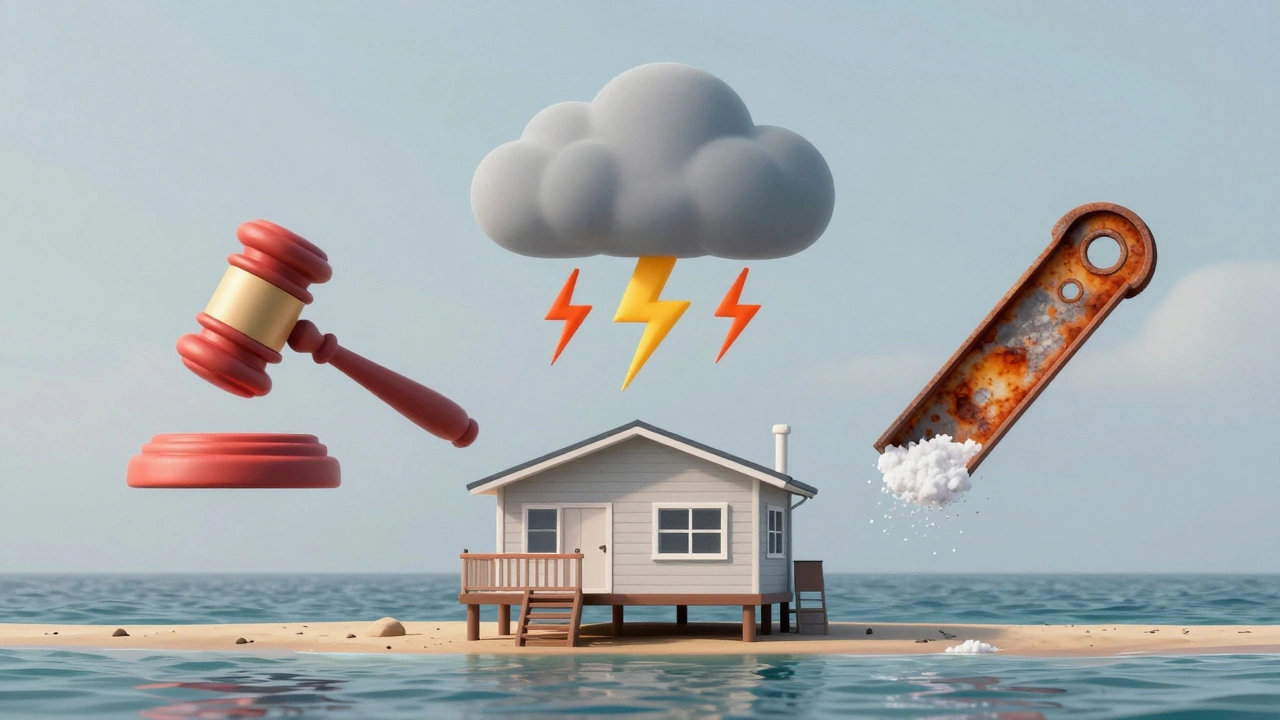
Let’s be blunt: Louisiana is cheap. Towns like Grand Isle and Port Fourchon offer some of the lowest median prices in the country. You can sometimes find turnkey homes for under $300,000. But there’s a reason for those prices. This region faces significant land loss due to erosion and is highly vulnerable to hurricanes.
Buying here requires a specific mindset. You aren’t buying an investment asset that will appreciate rapidly; you’re buying a lifestyle at a discount. The community is tight-knit, the seafood is incredible, and the pace of life is slow. However, you must be prepared for potential disruptions after major storms. Insurance is cheaper than Florida but availability can be tricky. This is not a place for passive investors; it’s for people who love the Gulf Coast culture and accept its risks.
Best for: Budget-conscious buyers who love fishing, culture, and don’t mind risk.
4. South Carolina: The Rising Star
South Carolina has been quietly building momentum. Areas like Folly Beach and Huntington Beach are more established and pricey, but venture further south to Dewees Island or inland-to-coast transitions near Charleston's outer reaches, and you find better deals. SC offers a tax-friendly environment with no personal income tax on Social Security benefits, which appeals to retirees.
The infrastructure is improving, making access easier. While not as cheap as Louisiana, it’s safer and more stable. The blend of historic charm and modern development makes it attractive for both living and renting out during peak seasons.
Best for: Retirees and those seeking a mix of history, safety, and moderate pricing.
Comparison Table: Coastal States at a Glance
| State | Avg. Entry Price (Home) | Insurance Risk | Tax Friendliness | Best For |
|---|---|---|---|---|
| North Carolina | $500k - $700k | Moderate | Good | Families / Investors |
| Florida (North/Gulf) | $350k - $600k | High | No State Income Tax | Retirees / Cash Flow |
| Louisiana | $250k - $400k | Very High | Moderate | Budget Lifestyle |
| South Carolina | $450k - $650k | Moderate | Good | History Buffs / Safety |
| Maine | $600k - $900k | Low (Wind/Flood) | Moderate | Nature Lovers |
Why Maine Deserves a Mention
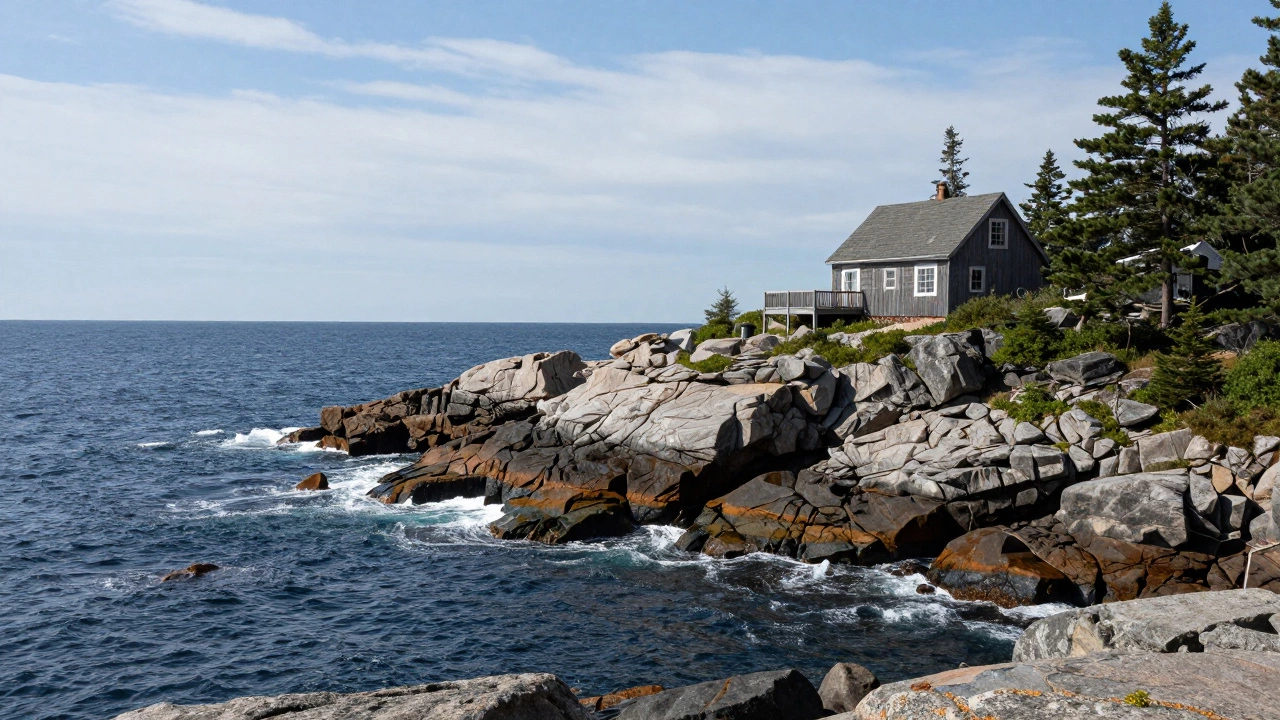
Most people think of the South when they hear "beach house," but Maine offers a different kind of oceanfront. It’s rocky, rugged, and stunningly beautiful. Prices are higher than the Gulf Coast, starting around $600,000 for decent ocean views, but the insurance costs are significantly lower. There’s no hurricane season. The winter is harsh, which limits the rental season, but the summer tourism is lucrative.
If you hate humidity and prefer crisp air, Maine is your cheapest *viable* option in the Northeast. It’s not about getting a bargain bin deal; it’s about avoiding the catastrophic costs associated with Southern storms.
Pitfalls to Avoid When Buying Cheap Coastal Real Estate
Don’t fall for the "fixer-upper" trap unless you’re a contractor. Renovating a beach house is exponentially more expensive than inland due to salt air corrosion, specialized materials needed, and permit complexities. A $200,000 house might need $100,000 in immediate repairs to meet current building codes.
Also, check the elevation. Just because a house is cheap doesn’t mean it’s safe. Look for properties built on higher ground or elevated pilings. Flood zones change, and insurance companies are updating their maps frequently. Being in a high-risk flood zone can make a mortgage impossible to secure.
Final Thoughts on Finding Your Spot
There is no single "cheapest" state because affordability depends on your tolerance for risk. If you want the lowest sticker price, go to Louisiana. If you want the best value for money with lower headaches, choose North Carolina. If you want warmth and don’t mind paying for insurance, look at Northern Florida. Do your homework, talk to local agents who specialize in coastal properties, and always get a quote for insurance before you make an offer.
Which state has the absolute lowest priced beachfront homes?
Louisiana typically has the lowest median sale prices for oceanfront properties, particularly in smaller communities like Grand Isle. However, these low prices reflect high risks related to hurricanes, erosion, and insurance availability.
Is it cheaper to buy beachfront in Florida or North Carolina?
The purchase price in Northern Florida can be slightly lower than North Carolina, but when you add in the significantly higher homeowners insurance costs in Florida, North Carolina often becomes the more affordable option overall for long-term ownership.
What are the hidden costs of buying cheap oceanfront property?
Hidden costs include high homeowners insurance premiums (especially for wind and flood), higher property taxes in some coastal counties, increased maintenance due to salt air corrosion, and potentially stricter building code requirements for renovations.
Can I afford a beach house in California on a budget?
It is extremely difficult. California has some of the highest real estate prices in the nation. Even in less popular coastal towns, the combination of high purchase prices, strict environmental regulations, and high insurance costs makes it inaccessible for most budget-conscious buyers.
Should I buy a condo or a house for the best value?
Condos often have a lower entry price, but you must pay HOA fees which can be very high in coastal areas to cover building insurance and maintenance. A single-family house gives you more control over insurance choices and maintenance, but requires more upfront capital and effort.