Airport Sleep Strategy Calculator
Your Travel Details
Key Takeaways
You don't have to suffer through a red-eye layover on hard plastic seats. Many major international hubs now offer private airport sleeping rooms, ranging from full-service hotels to capsule-style pods located airside. While these facilities come at a premium price, they beat the alternative of finding a quiet corner in a crowded terminal. Not every airport has them, so checking ahead is essential before you land.
The Reality of Resting at the Terminal
We've all been there. You land after a twelve-hour flight from Asia, only to realize your connection leaves in six hours. Your back is stiff, your eyes are sandpaper, and the nearest bench looks occupied by someone with forty suitcases. The instinct is often to ask: does this place actually allow you to sleep?
The short answer depends entirely on where you landed. In smaller regional airports, the idea of a bed behind security is often a fantasy. However, as travel volumes recover and passenger expectations rise, large international hubs have adapted significantly over the last few years.
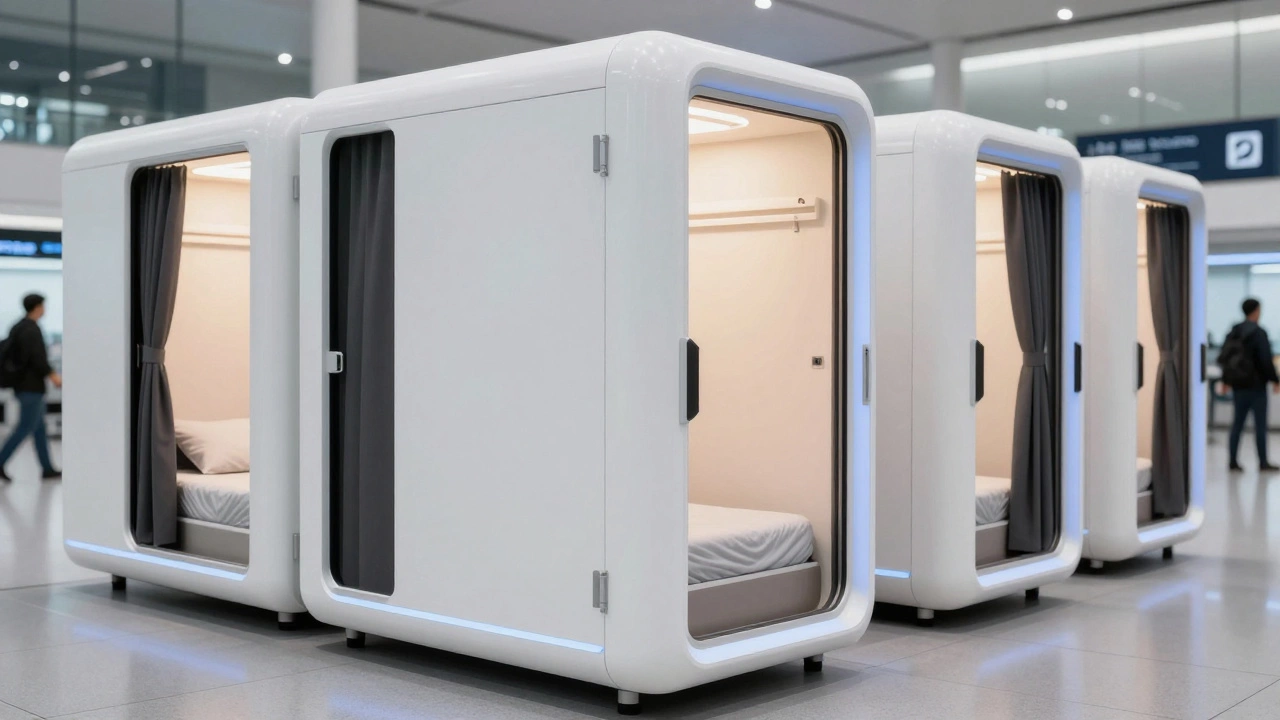
Transit Hotels aren't just standard rooms anymore. They evolved from bulky, expensive contracts inside terminals to sleek, modular sleeping pods. In 2024 and leading into 2026, we see a clear trend toward efficiency. Companies like YOTELAIR have standardized the concept. These aren't glorified booths; they feature en-suite bathrooms, climate control, and blackout curtains, mimicking the experience of a real hotel room while saving you the time of clearing immigration.
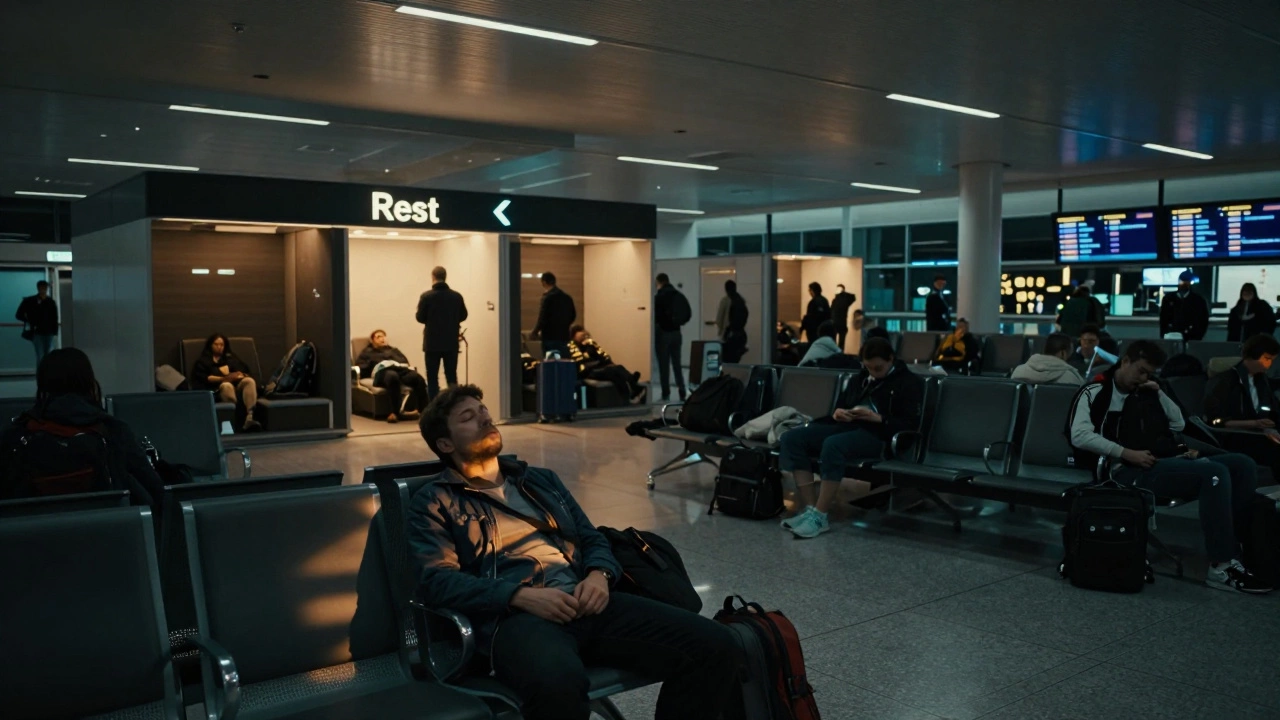
If you are flying out of Dublin, Helsinki, or London Heathrow, you have likely seen signs pointing to "Rest Zones." But here is the distinction that matters: a rest zone usually means reclining chairs, while a transit hotel means a flat bed. Don't confuse the two when you are booking your layover plan.
Types of Sleeping Options Available
Not all beds are created equal. When searching for a place to crash during a stopover, you generally face three distinct categories. Understanding the difference between them helps you avoid waking up in a cold hallway because the free zone was cleared for cleaning.
Capsule Hotels and Sleep Pods
These are the most common form of paid sleeping rooms found airside. Think of them as compact hotel rooms without the hallway walkway. They typically operate on an hourly basis, which is perfect for catching four hours of sleep before a late-night departure.
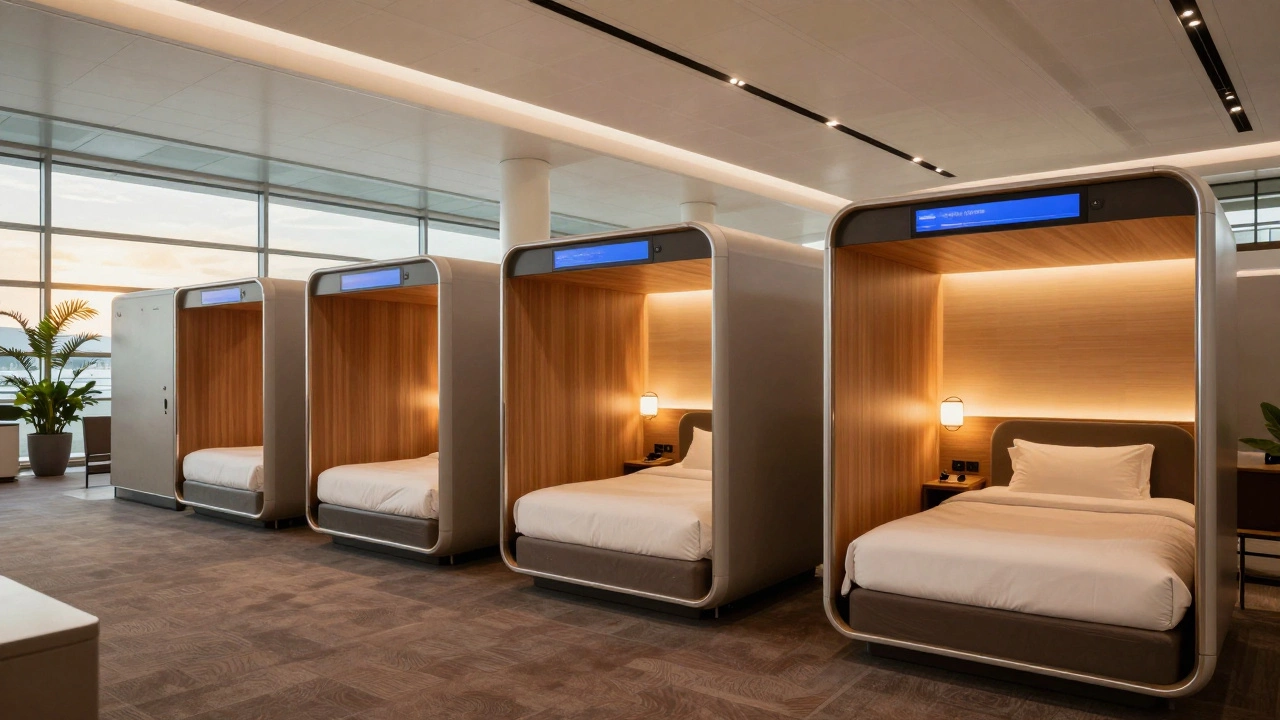
Minute Suites are a prime example of this model. Located primarily in North American hubs like Washington D.C. and Atlanta, they focus on privacy and soundproofing. Inside, you find a comfortable mattress, charging ports, and often a small desk area. You aren't just hiding in a closet; you are in a designated secure space designed specifically for travelers who haven't exited the airport perimeter yet.
Traditional Airport Hotels
Sometimes you need more than four hours. If you have a massive delay or you arrived early, a full night might be better. Traditional airport hotels are often landside, meaning you have to go through security again after sleeping. However, some are connected via skybridges or tunnels directly to the terminal, bypassing the need to exit security entirely.
Airport hotels like Hilton Garden Inn or chains attached to specific terminals often have shuttle services. If you are staying landside, check the baggage policy. Some terminals allow staff to store your carry-on luggage nearby so you don't have to drag it through the hotel lobby and back to the gate.
Lounge Beds and Nap Pods
For those with credit card perks, the lounge becomes the sleeping quarters. Many luxury lounges have moved beyond leather armchairs. Look for access via programs like Priority Pass or American Express Centurion lounges. They increasingly feature daybeds, showers, and sometimes even nap pods.
This option is cost-effective if you already hold a membership, but availability is first-come, first-served. During peak travel seasons in March, popular lounges can fill up hours before the rush begins.
Top Global Hubs for Sleeping
Some airports lead the industry in hospitality, treating passengers like guests rather than cargo. If you are routing your flight through one of these locations, you will find significantly more options for rest.
| Location | Type of Facility | Approximate Price | Key Feature |
|---|---|---|---|
| Singapore Changi | Airside Transits | $100-$200 / Night | Shower & Day Bed |
| Dubai DXB | YOTELAIR | $40-$80 / Hour | Fully Private Pods |
| Tokyo Narita | Relax Transit | Free (Reserve) | First-Come Sockets |
| Seoul Incheon | Day Rest Room | Low Cost | Dedicated Zone |
Singapore Changi Airport remains the gold standard. Beyond the famous Jewel garden, they have the Slumber Pods. These are essentially high-quality capsules with a TV screen embedded in the ceiling. The beauty of Singapore is that you don't feel cramped. In contrast, budget airlines in Europe might force you into a waiting hall where the lights never dim fully.
In Tokyo Narita, the culture of rest is deeply embedded. You can often find reserved rest benches called 'relaxation zones' that allow you to lie down completely flat, free of charge, provided you book them in advance online. This is rare globally, making Narita a sleeper-friendly destination despite the distance from Tokyo city center.
Navigating the Free Zones
What happens if you end up at an airport with zero paid pods and a tight budget? You become part of the terminal community. There are rules to survive here that ensure you don't wake up being chased by security.
First, look for seating that lacks armrests. Most modern airports install armrests everywhere to prevent people from lying down. Hunt for the gaps-usually near food courts where rows of chairs connect seamlessly. Second, timing matters. Arrive at a terminal right after it opens, or during late-night lulls between midnight and 4 AM.
Safety is a priority. Keep your bag under your feet, preferably locking it to the metal legs of the chair using a simple cable lock. It stops opportunists from snatching your laptop or passport. In Dublin Airport (DUB), the security presence is high, and sleeping in public view is generally tolerated in the arrival halls, but never in restricted sterile zones past the final screening point unless officially sanctioned.
Cost Analysis: Is a Room Worth It?
Let's break down the math. A cheap motel outside the airport usually runs around €50 for a night. However, you need to factor in transport time and fuel. If you rent a car for two hours plus parking fees, that adds €20 easily. Then add the risk of traffic delaying your return.
Inside the terminal, a six-hour pass at a facility like LoungeBuddy might set you back €150. That seems steep until you calculate the lost wages or the sheer relief of hygiene facilities. Sometimes paying for the sleep pod is cheaper than paying for a delayed job due to grogginess. Consider the value of a shower. Fresh clothes make a massive difference in how you handle international arrivals.
Booking and Access Tips
Never wait until you land to decide. Capacity is limited in pods. Book your stay via the airline app or third-party sites like Plaza Premium Groups. Check if your travel insurance covers missed connections, as some policies reimburse overnight stays caused by delays.
Verify your visa requirements. If you leave the terminal to go to a landside hotel, you technically enter the country. Some nations waive this for short transits, but others require a transit visa even for 48-hour stopovers. Always check the official border control agency website for your specific citizenship status.
Are there really private rooms inside airports?
Yes, many major international airports offer private sleep pods or transit hotels. Locations like YOTELAIR in Heathrow or Minute Suites in Dallas provide booked rooms with beds inside the secure area.
Can I sleep in my seat for free?
Most airports allow this in non-operating hours, but security may move you if you block paths. It is safer to find a secluded area near gates that are not active for boarding.
Do airports have showers if I can't find a room?
Paid shower suites exist in most hubs. Otherwise, first-class lounges accessible via membership usually offer complimentary shower facilities.
Is it safe to keep luggage while sleeping in the terminal?
Always keep bags within physical contact or locked to a fixed object. Do not rely solely on CCTV for security; personal vigilance prevents theft.
How far in advance should I book an airport hotel?
Book as soon as your flight change occurs. Slots in transit hotels are limited and often sell out weeks before major holiday periods.
Wrapping Up Your Layover Plan
Your health impacts your vacation start. Skipping sleep for the sake of ten pounds might mean spending the first week of your trip nodding off at dinner tables. Prioritize a clean bed wherever possible. If the airport provides it, great. If not, look for a partner hotel nearby with a guaranteed shuttles. The goal isn't just survival; it's returning home rested. Treat your transit time as part of the journey, not an obstacle course.