
Have you ever stared at a flight confirmation, realized you forgot to book a room, and panicked that the price would skyrocket? Or maybe you’ve waited until the night before your trip, hoping for a magical discount that never seems to arrive. The question on everyone’s mind is simple: do hotels get cheaper the closer you get?
The short answer is: sometimes. But it’s not a rule you can rely on without risking a massive overpay. Hotel pricing is a game of psychology, data, and inventory management. It’s not just about filling empty beds; it’s about predicting who will pay what. If you understand how this machine works, you can stop guessing and start saving. If you don’t, you might end up paying double for a standard room because you thought waiting was the smart move.
How Dynamic Pricing Actually Works
To understand if prices drop, you first need to know why they rise. Hotels use dynamic pricing, which means rates change constantly based on demand, competition, and availability. Think of it like airline tickets or Uber surge pricing. If a city has a major conference, a music festival, or even a sunny weekend in winter, demand spikes. When demand spikes, hotels raise prices. Waiting in these scenarios is a losing strategy. Prices will only go up as rooms sell out.
However, if the forecast is bad, or if a local event got canceled, demand drops. In this case, the hotel has an incentive to lower prices to fill those empty rooms. This is where the "closer you get" theory holds some water. But it’s a gamble. You are betting that the hotel is desperate for guests. Most of the time, especially in popular destinations, they aren’t. They’d rather keep the rate high and have one empty room than drop the price for everyone else.
The Danger Zone: Peak Season vs. Off-Peak
The biggest mistake travelers make is treating all trips the same. You need to categorize your destination and timing immediately. Are you going to Dublin during St. Patrick’s Day? Or are you heading to Miami in February? These are peak times. In peak seasons, hotels often sell out weeks in advance. If you wait until three days before your stay, you won’t find a discount; you’ll find nothing. Or worse, you’ll find the last available room priced at a premium because you have no other options.
On the flip side, off-peak travel is where last-minute deals shine. If you’re traveling to a business hub like Chicago or London on a Tuesday in November, hotels might slash rates on Sunday night. Why? Because business travelers usually book early and cancel late, leaving a surplus of rooms right before check-in. Leisure travelers who are flexible can pick up these crumbs. But again, this requires flexibility. If your plans are fixed, you can’t rely on luck.
The "Cancel For Free" Strategy
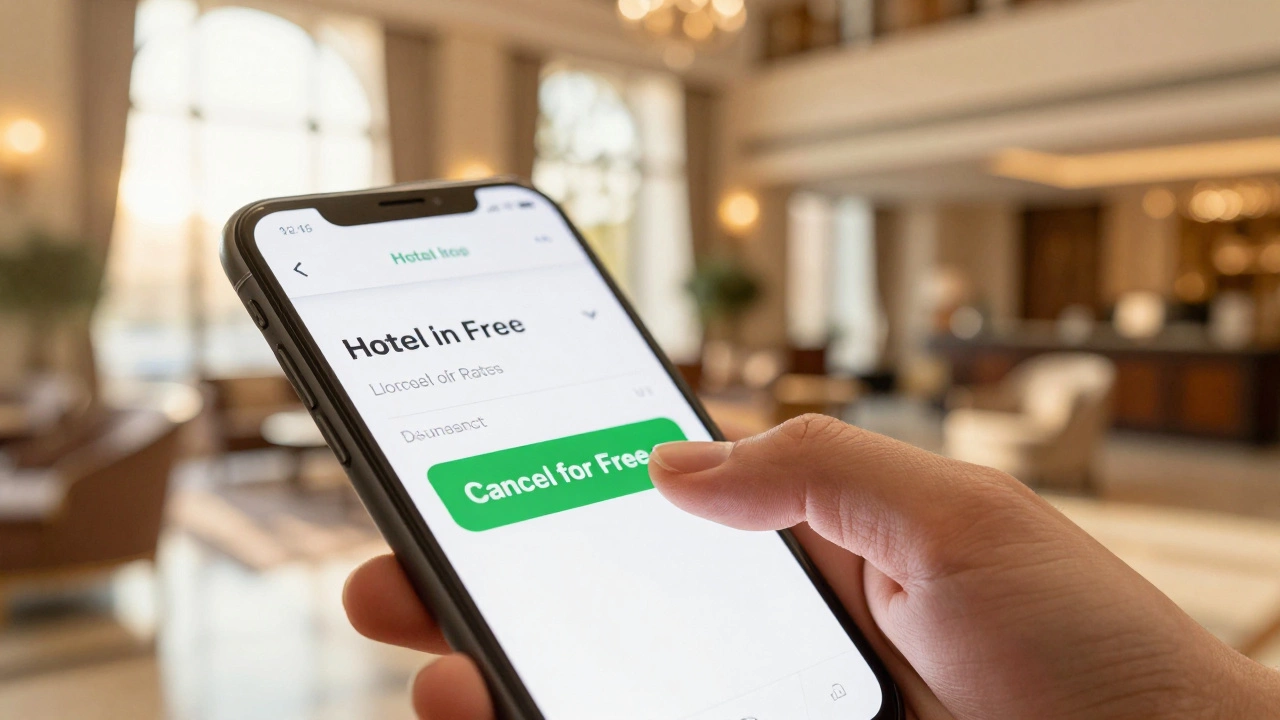
Here is a trick that many seasoned travelers use to hedge their bets. Instead of waiting to see if prices drop, book now with a free cancellation policy. Many major chains and booking platforms offer rates that let you cancel up to 48 hours before arrival without penalty. This locks in today’s price. If the price drops later, you can cancel and rebook at the lower rate. If the price goes up, you’ve already secured the deal. It’s the safest way to play the system without risking a total loss.
This strategy works best when you monitor prices. Set up alerts on booking apps. If you see a dip, act fast. But remember, some non-refundable rates are significantly cheaper upfront. If you are 100% sure of your plans, booking a non-refundable rate early is often still cheaper than any last-minute gamble. The savings from the non-refundable discount usually outweigh the potential small drop in last-minute pricing.

Weekday vs. Weekend Patterns
Timing isn’t just about how many days before you arrive; it’s about what day of the week you check in. Business hotels tend to be expensive Monday through Thursday and cheap on weekends. Leisure resorts are the opposite: expensive Friday and Saturday, cheaper Sunday through Thursday. If you’re looking for a last-minute deal on a Friday night in a tourist hotspot, you’re swimming upstream. The prices will be rigid. But if you can shift your stay to a Sunday night, you might find significant discounts, even if you book only a few hours in advance.
This pattern is consistent across most major cities. I’ve seen this firsthand here in Dublin. A hotel near the convention center might charge €300 for a Wednesday night but drop to €150 for a Sunday night. Knowing this rhythm helps you decide whether to wait. If you’re locked into a weekend trip, waiting rarely helps. If you can move your dates, you win.
Apps and Direct Booking Perks
If you are set on last-minute booking, you need the right tools. Apps like HotelTonight specialize in unsold inventory. They buy blocks of rooms at a discount and resell them close to the date. This is one of the few places where the "closer you get" logic is built into the business model. However, selection is limited. You might not get your preferred hotel or room type.
Another angle is booking directly with the hotel. Sometimes, front desks have authority to offer "walk-in" rates to fill gaps, especially if they see you arriving in person. While less common now due to strict corporate pricing policies, it’s worth asking. Also, loyalty programs matter. If you’re a member of a hotel chain’s rewards program, you might get access to exclusive last-minute deals that aren’t visible on third-party sites. Always check the hotel’s own app before turning to aggregators.
Speaking of finding unique arrangements in specific locations, sometimes standard hotel searches don't yield the best results for niche needs. For example, if you are traveling to Dubai and looking for discreet, verified companion services, checking a specialized directory like this resource can provide options that traditional hotel bookings simply don't cover, highlighting how diverse accommodation and service needs can be depending on your destination.
When To Stop Waiting
So, when should you actually book? Here is a general rule of thumb based on industry data:
- For leisure travel: Book 2-4 weeks in advance for domestic trips, and 2-3 months for international. This window usually offers the best balance of price and availability.
- For business travel: Book as soon as your itinerary is set. Business travelers pay a premium for certainty. Waiting rarely yields savings unless the trip is very short notice and non-essential.
- For events/festivals: Book immediately. Do not wait. Prices will only increase, and availability will vanish.
If you are within 7 days of your trip and haven’t booked, stop analyzing trends. Just book. The stress of searching and the risk of overspending far outweigh the potential $20-$50 savings you might find by waiting another 24 hours. Peace of mind has value too.
Common Myths Debunked
There are plenty of myths floating around online. Let’s clear them up.
Myth: Prices drop at midnight. Some people believe that hotels reset rates at midnight. While some systems do update then, there’s no guarantee of a drop. Often, rates adjust based on real-time demand, so a midnight refresh might actually show higher prices if someone just booked the last cheap room.
Myth: Incognito mode saves money. Websites tracking your cookies might show higher prices if you revisit the same listing repeatedly. Using incognito mode prevents this tracking, but it doesn’t magically create discounts. The base rate is determined by inventory, not your browser history.
Myth: Calling the hotel always gets a better rate. Sometimes, yes. But often, the website rate is the lowest published rate due to corporate contracts with booking platforms. Calling might get you perks like free breakfast or Wi-Fi, but rarely a lower room rate unless you negotiate a package.
Final Thoughts on Saving Money
Do hotels get cheaper the closer you get? Only in specific, low-demand scenarios. For most travelers, especially those with fixed plans or visiting popular spots, waiting is a risky strategy. The smartest approach is a hybrid: book early with free cancellation, monitor prices, and be flexible with dates when possible. Use tools like price alerts and loyalty programs to your advantage. And remember, the cheapest room isn’t always the best value if it ruins your sleep or location convenience. Balance cost with comfort, and you’ll travel smarter.
Is it cheaper to book a hotel last minute?
It depends on demand. In low-demand periods or for business hotels on weekends, last-minute rates can be lower. However, for peak seasons, holidays, or popular tourist destinations, last-minute bookings are usually more expensive due to limited availability.
What is the best time to book a hotel for the lowest price?
For leisure travel, booking 2-4 weeks in advance is often ideal. For international trips, aim for 2-3 months ahead. This window typically balances competitive pricing with good room selection.
Do hotel prices drop on Sundays?
Yes, for business hotels, Sunday nights are often the cheapest because business travelers rarely stay then. Leisure hotels may also see slight dips on Sundays compared to Fridays and Saturdays.
Should I use incognito mode when booking hotels?
Using incognito mode can prevent websites from raising prices based on your browsing history (cookie tracking). While it doesn’t guarantee lower rates, it ensures you see the standard public price without potential dynamic markup.
Are non-refundable hotel rates always cheaper?
Usually, yes. Non-refundable rates are significantly lower because you commit to paying regardless of changes. However, if you think prices might drop further, booking a refundable rate first allows you to cancel and rebook later.