All-Inclusive Cost Calculator
Discover whether an Ultra-All-Inclusive package saves you money based on your dining habits and extra activities.
How Many Specialty Restaurant Dinners?
Fine dining venues like steakhouses, sushi bars, or Italian restaurants that may charge cover fees at standard resorts.
Premium Alcohol Drinks Per Day (per person)
Top-shelf liquors, imported wines, or specialty cocktails beyond house brands.
Room Service Orders
Late-night snacks or breakfast in bed delivered to your room.
Spa Services & Excursions Budget
Estimated spending on massages, snorkeling trips, golf, or other activities.
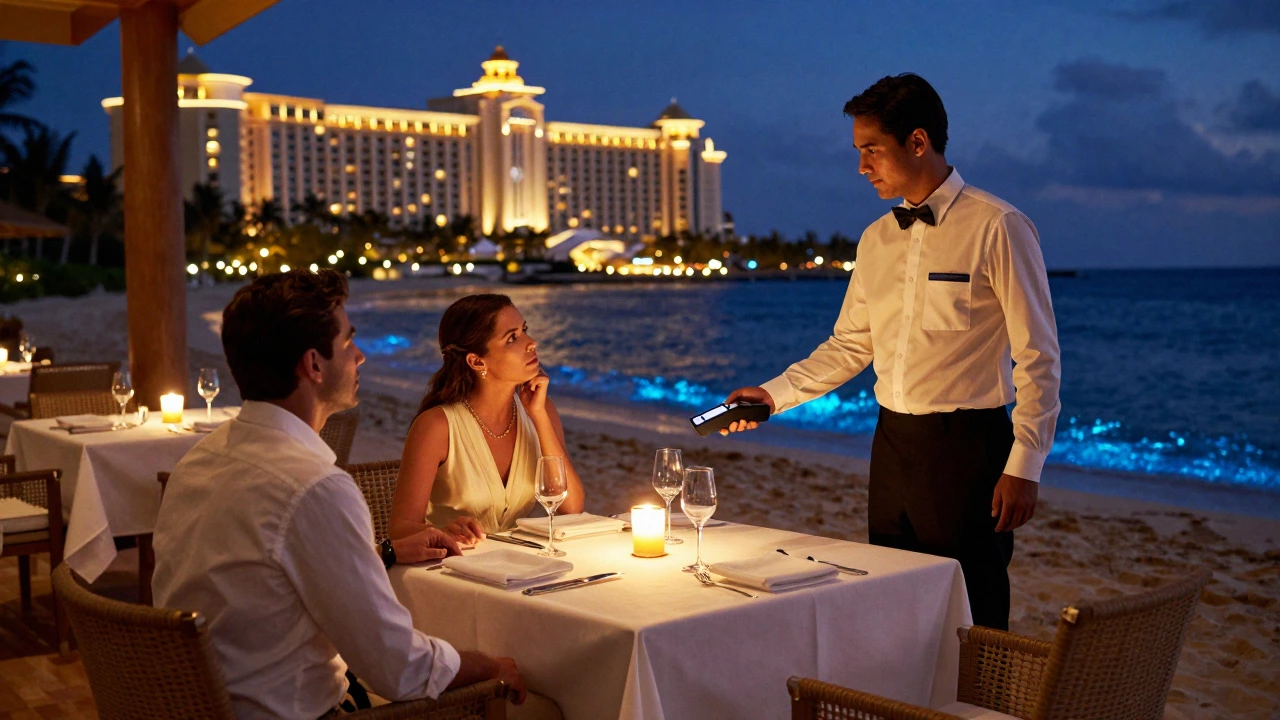
Imagine this: you’ve booked a luxurious all-inclusive resort in the Caribbean, expecting to sip cocktails and eat steak without ever seeing another price tag. You sit down for a fancy dinner, order the lobster, and then... the waiter asks for your credit card. It’s not just awkward; it’s expensive. So, do you actually pay for dinner at an all-inclusive hotel? The short answer is: usually no, but definitely not always.
The term "all-inclusive" sounds like a blanket promise, but in reality, it’s more of a menu with fine print. While most meals are covered, specific restaurants, premium items, and certain times of day can still hit your wallet. Understanding exactly what is included-and what isn’t-before you pack your bags can save you hundreds of dollars and spare you from that red-faced moment at the table.
What Exactly Does "All-Inclusive" Cover?
To understand why you might get charged for dinner, we first need to define what the base package includes. Traditionally, an all-inclusive vacation covers accommodation, unlimited food and drinks, and often some activities. However, the industry has evolved. Resorts now tier their offerings into different levels of inclusivity.
Most standard packages include access to:
- Buffet-style main restaurants: These open for breakfast, lunch, and dinner. You can usually eat here as many times as you want.
- Poolside bars and snack shacks: Basic sandwiches, fries, and non-premium alcoholic beverages during operating hours.
- Non-alcoholic beverages: Water, soda, juice, and coffee are almost always free.
If your dinner plan involves eating at the main buffet or a casual à la carte restaurant that doesn’t require a special reservation, you are likely safe. No extra charge. But if you’re eyeing the upscale Italian spot or the sushi bar, read on.
When Do You Have to Pay for Dinner?
There are three common scenarios where "all-inclusive" does not mean "free dinner." Knowing these helps you navigate the resort map like a pro.
1. Specialty Restaurants with Reservations
Many high-end resorts have "specialty" or "premium" restaurants. Think of places serving teppanyaki, authentic Thai cuisine, or fine-dining steakhouses. While some resorts include these in the base price (requiring only a reservation), others treat them as an add-on. You might pay a cover charge of $20-$50 per person, or even full menu prices. Always check the resort’s website or ask at check-in which restaurants are complimentary and which are paid.
2. À La Carte Menus vs. Set Menus
Even in included restaurants, there can be traps. Some venues offer a set menu (entrée, main, dessert) that is free, but if you order off the "premium" section of the menu-like lobster tail, wagyu beef, or imported wine-you’ll pay out of pocket. Other times, the entire restaurant is à la carte and fully priced, regardless of your room rate.
3. Room Service and Late-Night Dining
This is the most frequent surprise. Many resorts include food served during standard meal times (e.g., 6 PM to 9 PM). If you order room service at 10 PM, or if you want breakfast delivered to your bed instead of going to the buffet, you may face a delivery fee or a surcharge. Some luxury brands include 24-hour room service; budget-friendly ones do not.

The "Ultra-All-Inclusive" Difference
If you want zero surprises, look for the term Ultra-All-Inclusive. This is a marketing term used by chains like Sandals, Secrets, or Hyatt Ziva/Zilara. These resorts typically include:
- All specialty restaurants (no cover charges).
- Premium alcohol (top-shelf liquor, named-brand wines).
- 24-hour room service.
- Some excursions or spa credits.
While these resorts cost more upfront, they eliminate the anxiety of checking prices every time you order. For a couple staying seven nights, the difference between a standard all-inclusive and an ultra-all-inclusive can range from $500 to $1,500 total. Is it worth it? If you love trying every restaurant on-site, yes. If you plan to eat out locally, maybe not.
| Feature | Standard All-Inclusive | Ultra-All-Inclusive |
|---|---|---|
| Main Buffet & Casual Dining | Included | Included |
| Specialty Restaurants | Cover Charge or Full Price | Included (Reservation Required) |
| Premium Alcohol | Extra Cost | Included |
| Room Service | Surcharge/Fee | Included (Often 24/7) |
| Spa Services | Extra Cost | Credit or Included |
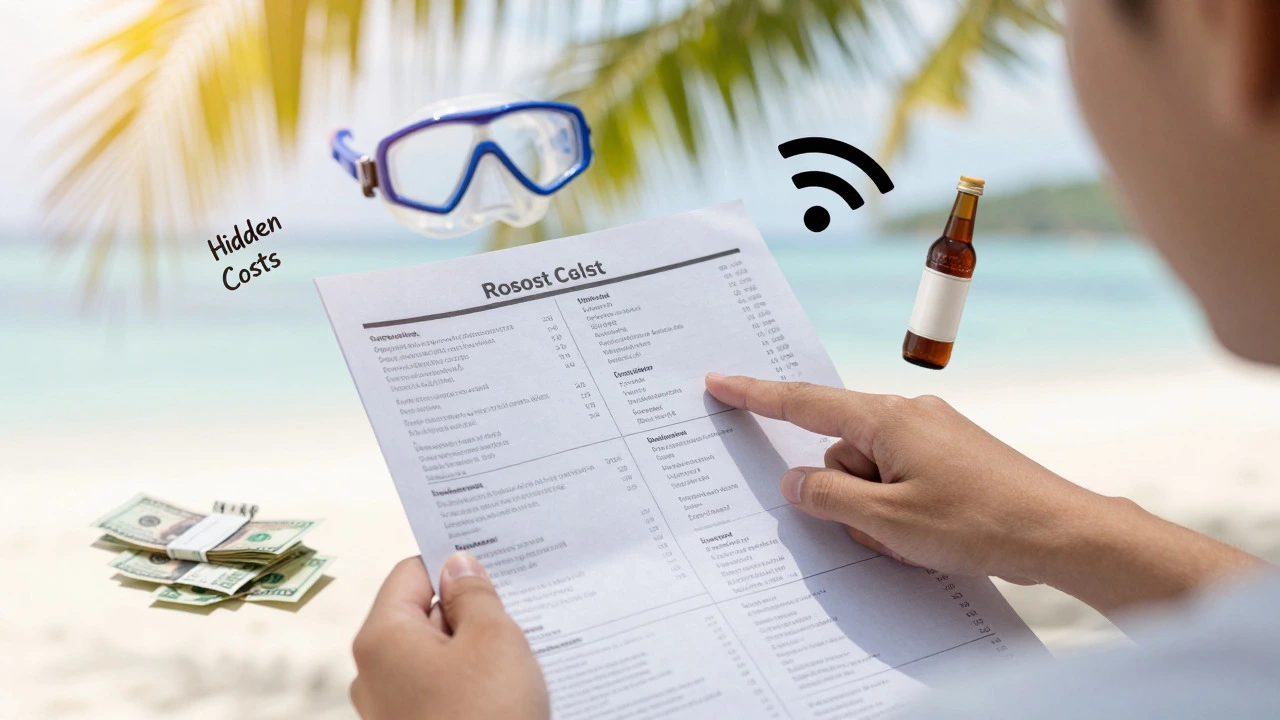
Hidden Fees That Aren't About Food
While dinner is the main concern, other costs can creep up. Be aware of these common exclusions:
- Gratuities: Most all-inclusive resorts include tips in the price. However, some still appreciate cash tips for exceptional service, especially in private villas or butler services.
- Excursions: Snorkeling trips, catamaran sails, or golf rounds are rarely included unless specified.
- Wi-Fi: Once a perk, now mostly standard, but some older resorts still charge for high-speed internet.
- Minibar: In standard packages, the minibar might restock daily but charge for premium spirits or snacks. Ultra-inclusives usually refill everything for free.
How to Avoid Unexpected Bills
You don’t need to guess. Here’s a simple checklist to ensure your dinner stays free:
- Read the Fine Print: Before booking, scroll past the photos to the "Inclusions & Exclusions" section. Look for words like "subject to availability," "cover charge applies," or "à la carte pricing."
- Ask at Check-In: When you arrive, hand the concierge your itinerary and ask: "Which restaurants require payment?" Get it in writing or take a photo of the list.
- Check Menu Prices: Even in included restaurants, glance at the menu. If items have prices listed next to them, assume they are extra unless told otherwise.
- Book Specialty Dinners Early: If a restaurant is included but requires a reservation, book it as soon as you arrive. Popular spots fill up within hours.
Is It Cheaper to Eat Out?
Here’s a controversial take: sometimes, leaving the resort is smarter. If your all-inclusive charges $30 per person for a specialty dinner, and you see a local taqueria or beach bar nearby selling authentic meals for $10, you might save money and enjoy better culture. However, factor in transportation costs and safety. In destinations like Mexico’s Riviera Maya or Jamaica, local food is often fresher and cheaper than resort food. But in remote islands, sticking to the resort might be your only option.
Ultimately, the goal of an all-inclusive is relaxation, not accounting. By knowing the rules ahead of time, you can relax completely. Whether you’re dining at the buffet or splurging on lobster, you’ll know exactly what to expect. And that’s the real value of a good vacation.
Do I have to tip at all-inclusive restaurants?
Most all-inclusive resorts include gratuities in the upfront price, so tipping is not mandatory. However, if you receive exceptional service, leaving a small cash tip ($1-$5) is appreciated and common practice among travelers.
Are drinks really unlimited at all-inclusive hotels?
Yes, but with caveats. Standard packages usually include house-brand beer, wine, and mixed drinks. Premium liquors (like top-shelf vodka or aged whiskey) often cost extra. Ultra-all-inclusive resorts typically include named brands.
Can I bring my own food or alcohol to the resort?
Generally, no. Most resorts prohibit outside food and alcohol to protect their revenue streams. Exceptions are usually made for baby formula, special dietary needs, or non-perishable snacks, but check with the hotel beforehand.
What happens if I eat at a restaurant that requires a cover charge?
You will be charged the cover fee (usually $10-$50 per person) plus any additional costs for premium menu items or alcohol. The bill is typically added to your room account and paid at checkout.
Is room service free at night?
It depends on the resort tier. Budget all-inclusives often charge a delivery fee or exclude late-night orders. Luxury and ultra-all-inclusive resorts usually offer 24-hour room service at no extra cost.