
All-Inclusive Tier Analyzer
Select the type of package you booked to see exactly what is covered regarding food, drinks, and services.
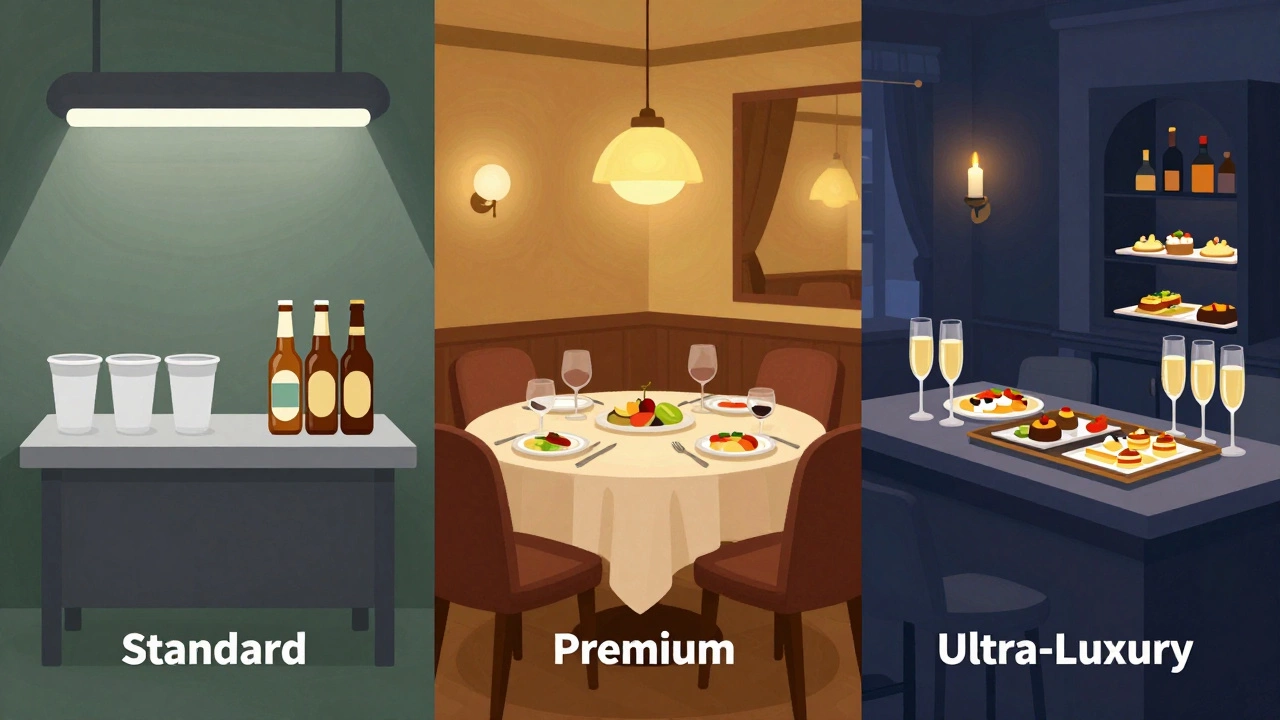
Standard
Basic buffet access and house brands only.
Premium
Better dining options and imported spirits.
Ultra-Luxury
Top-shelf alcohol, 24/7 service, no limits.
Select a Tier Inclusions
Click a package above to reveal details.
Common Hidden Costs
You see the price tag for that tropical getaway. It’s a single number covering flights, hotel, meals, and drinks. Your brain instantly calculates: unlimited food and drink for seven days. It sounds like the ultimate freedom from budgeting. But before you pack your appetite, there is a catch. The phrase "all-inclusive" is one of the most misunderstood terms in travel marketing. It rarely means exactly what it says on the tin.
In reality, "all-inclusive" is a branding strategy, not a legal definition. One resort’s "all-inclusive" might include top-shelf whiskey and room service until midnight. Another’s version might give you tap water, generic beer, and a buffet that closes at 9 PM. If you assume every all-inclusive package offers the same level of access to food and alcohol, you are setting yourself up for disappointment-and surprise charges at checkout.
The Hierarchy of All-Inclusive Packages
To understand what you get, you first need to know where the resort sits on the spectrum. Not all inclusive resorts are created equal. The industry generally splits into three distinct tiers, each with different rules regarding food and beverage access.
Standard All-Inclusive: This is the entry-level tier. Think of this as the "basic" plan. You get breakfast, lunch, and dinner at the main buffet. Drinks usually include house wine, domestic beer, and basic spirits (like vodka or rum) mixed with soda. Premium brands like Grey Goose or Johnnie Walker Black are almost always excluded. Snacks between meals? Often limited to the pool bar or a specific snack window.
Premium All-Inclusive: This step up adds more flexibility. You might get access to à la carte restaurants without needing reservations weeks in advance. The drink list expands to include imported beers and mid-range spirits. Room service during the day might be included, but late-night delivery could incur a fee.
Ultra-All-Inclusive (or Luxury All-Inclusive): This is the closest to the dream. Brands like Sandals, Secrets, or certain Ritz-Carlton Reserve properties fall here. Here, "all-you-can-drink" often includes premium liquor, champagne, and even minibar restocking. Dining is flexible, with 24-hour room service and no restrictions on restaurant hopping. However, even here, there are limits-usually related to bottle sales or special event tickets.
| Tier | Dining Access | Drink Quality | Room Service | Minibar |
|---|---|---|---|---|
| Standard | Main buffet + 1 à la carte (reservation needed) | House brands only | Limited or none | Not included |
| Premium | Multiple à la carte options | Mid-range imports | Daytime only | Restocked daily (non-alcoholic) |
| Ultra-Luxury | Unlimited access, no reservations | Premium & Top Shelf | 24/7 | Fully stocked & restocked |
The "All You Can Drink" Myth: What Is Actually Free?
Let’s talk about the drinks, because this is where most arguments happen. When a brochure says "unlimited drinks," it does not mean you can walk into the lobby bar and order a $20 cocktail made with fresh-squeezed juices and rare bitters. It means you have access to a pre-defined menu.
Here is how the drink policy typically breaks down:
- House Brands Rule: Most standard resorts serve "house" vodka, gin, and rum. These are cheaper, bulk-bought spirits. If you ask for a specific brand, you will be charged extra. Always check the label before you sip.
- Mixers Matter: Some resorts charge for fresh fruit juices or sodas if they are served outside of meal times. Others include them everywhere. Read the fine print on "soft drinks."
- Champagne and Wine: A glass of wine with dinner is usually included. A bottle of Moët & Chandon for your honeymoon toast? That is often an upsell. Similarly, sparkling wine at brunch might be free, but ordering it by the glass at the pool bar costs money.
- Cocktail Complexity: Simple cocktails (rum and coke, gin and tonic) are safe bets. Complex craft cocktails that require multiple premium ingredients or garnishes are frequently excluded from the inclusive rate.
A pro tip: Ask for the "drink list" upon arrival, not when you’re thirsty. Look for the words "premium," "imported," or "extra charge." If a drink isn’t clearly marked as inclusive, assume it costs money.
Dining Rules: Buffets vs. À La Carte
Food is another area where expectations clash with reality. "All-inclusive" does not mean you can eat whatever you want, whenever you want. Most resorts operate on a system of controlled access to manage costs and kitchen capacity.
The Buffet Trap: The main dining hall is your safety net. It’s open for breakfast, lunch, and dinner. The quality varies wildly. At lower-tier resorts, it’s repetitive and bland. At higher-end ones, it can be surprisingly good. But here’s the catch: many resorts limit buffet hours. Dinner might end at 9:30 PM. If you miss it, you’re out of luck unless you pay for room service.
À La Carte Restrictions: Fancy restaurants within the resort (Italian, Japanese, Steakhouse) are often part of the package, but with strict rules. You may need to book slots days in advance. Once you’ve booked a slot, you must show up. No-shows can result in losing future booking privileges. Some resorts limit you to one à la carte dinner per night. Others let you hop between restaurants, but only if you don’t stay longer than an hour per venue.
Snack Windows: Between meals, hunger strikes. Standard all-inclusives often have "snack windows"-specific times when poolside bars serve burgers, fries, or pizza. Outside those hours, the kitchen is closed. Ultra-all-inclusives offer 24-hour grab-and-go stations or room service menus that are truly free.
Hidden Costs That Aren't Included
Even if you stick strictly to the inclusive menu, you will likely spend extra money. Resorts make their profit margins on the things they *don’t* include. Here are the most common hidden costs:
- Premium Beverages: As mentioned, top-shelf alcohol costs extra. But so do bottled waters in some cases (though rare), and specialty coffees (like lattes or cappuccinos) outside of breakfast hours.
- Spa and Wellness: The "all-inclusive" price covers the pool, not the massage chair. Spa treatments, yoga classes with instructors, and fitness center amenities (like sauna towels or lockers) often carry separate fees.
- Activities and Excursions: Non-motorized water sports (kayaking, snorkeling) are usually included. Motorized ones (jet skis, parasailing) are not. Off-site excursions (zip-lining, boat tours) are always extra.
- Wi-Fi: Surprisingly, high-speed Wi-Fi is still not included in some older all-inclusive resorts. They might offer slow, free internet in the lobby, but charge for room access or fast speeds.
- Gratuities: While tips are technically included in the price, many guests still leave cash for exceptional service. Bartenders and housekeepers often appreciate a few dollars or euros extra, especially if you’re using premium services.
How to Verify What's Included Before You Book
Don’t guess. Do your homework. The difference between a great trip and a frustrating one lies in the details. Here is a checklist to use before you click "book":
- Read the "Fine Print" Page: Every booking site has a tab called "Details," "Inclusions," or "Policies." Scroll past the photos. Look for lists of excluded items.
- Check Recent Reviews: Search for keywords like "hidden fees," "drink quality," or "restaurant reservations" on TripAdvisor or Google Reviews. Real guests will tell you if the "unlimited" drinks run out by 8 PM.
- Contact the Resort Directly: Email the concierge. Ask specific questions: "Is Grey Goose included?" "Can I eat at the Italian restaurant twice in one week?" "Is room service free after 10 PM?" Their written response is your contract.
- Look for "Ultra" or "Luxury" Labels: If the resort doesn’t use these words, assume it’s standard. Brands like Sandals, Secrets, Excellence, and Hyatt Ziva/Zilara are known for clearer, more generous inclusions.
- Beware of "Club Level" Upsells: Sometimes, the base room is all-inclusive, but the "Club Level" room adds better food and drinks. Make sure you’re comparing apples to apples.
Is All-Inclusive Worth It?
All-inclusive resorts offer peace of mind. You don’t have to carry cash, worry about tipping, or search for restaurants every night. For families with kids, couples on honeymoon, or groups who want to relax without planning, it’s a fantastic option. But it comes with trade-offs. You lose the spontaneity of exploring local eateries. You might eat mediocre food if the resort’s kitchens aren’t up to par. And you might feel pressured to "get your money’s worth" by overeating or overdrinking, which ruins the relaxation vibe.
If you value variety, local culture, and high-quality dining, a non-inclusive hotel with a budget for eating out might be better. If you want convenience, predictability, and a hassle-free vacation, all-inclusive is perfect-but only if you pick the right tier and read the rules.
Do all-inclusive hotels include alcohol?
Most all-inclusive hotels include alcohol, but the quality varies. Standard packages include house-brand beer, wine, and basic spirits. Premium packages may include imported brands. Always check if top-shelf liquors are an extra charge.
Can I eat at multiple restaurants in an all-inclusive resort?
It depends on the resort. Many allow you to visit one à la carte restaurant per night, requiring reservations. Ultra-all-inclusive resorts often let you hop between restaurants freely. Always check the reservation policy.
Are snacks included in all-inclusive packages?
Snacks are often included but may be restricted to specific times or locations, such as pool bars or lobby cafes. Some resorts offer 24-hour snack stations, while others close kitchens between meal times.
Do I need to tip at an all-inclusive resort?
Tips are technically included in the price, but many guests still tip staff for exceptional service. Cash tips for bartenders, housekeepers, and waitstaff are appreciated and common practice.
What is the difference between standard and ultra-all-inclusive?
Standard all-inclusive includes basic food and drinks with limited dining options. Ultra-all-inclusive offers premium alcohol, 24/7 room service, unrestricted restaurant access, and often includes spa credits or excursions.
Are mini-bars included in all-inclusive rates?
Mini-bars are rarely included in standard packages. In premium or ultra-all-inclusive resorts, they may be restocked daily with non-alcoholic items or basic snacks. Alcoholic beverages in the mini-bar are usually an extra charge unless specified otherwise.