Glamping Sustainability Calculator
This tool calculates the potential environmental impact reduction when choosing eco-friendly glamping over traditional tourism. Based on data from the article "How Is Glamping Eco-Friendly?".
Your Travel Details
Environmental Impact Metrics
CO2 Emissions Saved
0 kg
Water Saved
0 gallons
Waste Reduced
0%
How This Works
Based on article data: Glamping uses 90% less energy than hotels (2-3 kWh/day vs 20-30 kWh/day), saves 6,000 gallons of water per guest yearly with composting toilets, and reduces waste by up to 92% with zero-waste protocols.
Key Findings
A single guest choosing glamping over a hotel saves 1,500+ kg of CO2 over a 10-day stay (vs. hotel's 150 kg/day emissions). With 5 guests for 10 days, you'd reduce emissions by 7,500 kg—equivalent to planting 250 trees.
Glamping isn’t just about sleeping in a tent with a king-sized bed and a coffee maker. It’s a growing movement that’s quietly changing how people experience nature-without trashing it. If you’ve ever wondered how glamping can be eco-friendly when it feels so luxurious, the answer lies in the details: how these cottages are built, powered, managed, and even how guests are encouraged to behave.
Glamping Cottages Are Built With Low-Impact Materials
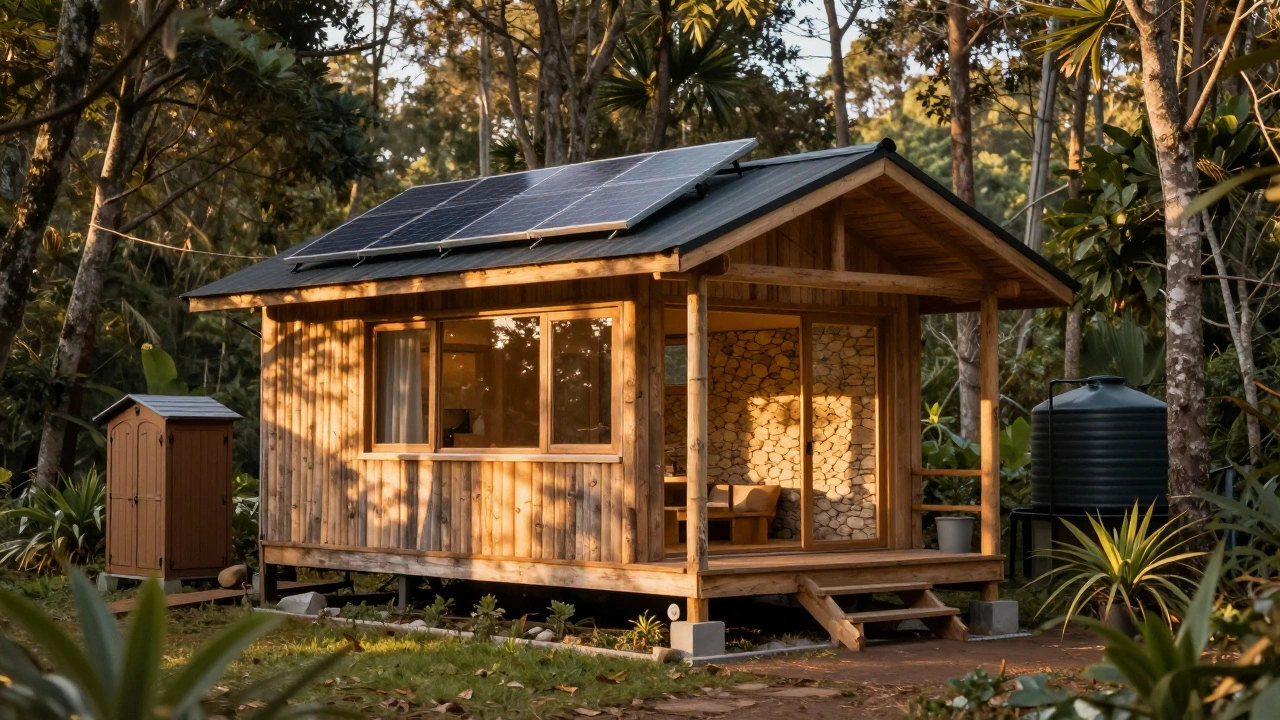
Most traditional cabins and vacation homes use treated lumber, synthetic insulation, and plastic-based finishes that release toxins over time. Glamping sites, especially the ones designed with sustainability in mind, avoid these. Instead, they use reclaimed wood, bamboo, recycled steel, and natural fibers like wool and cork. Some even build with straw bales or rammed earth-materials that have near-zero embodied energy and are biodegradable.A study by the Sustainable Tourism Research Group in 2024 found that glamping structures made with local, natural materials produced 68% less carbon emissions during construction compared to standard vacation homes. That’s because they don’t require long-distance shipping or energy-intensive manufacturing. Many sites also use modular designs that can be disassembled and reused elsewhere, reducing waste.
Off-Grid Power Is the Norm, Not the Exception
Forget diesel generators and noisy HVAC units. Most modern glamping sites run on solar panels, small wind turbines, or micro-hydro systems. A typical glamping cottage might have a 3 kW solar array that powers LED lighting, a small fridge, and a water pump-all for less than $15 a month in maintenance.Some sites go further: they use passive solar design. That means large south-facing windows capture winter sun to heat the space naturally, while overhangs block summer heat. Thermal mass walls made of stone or adobe store heat during the day and release it slowly at night. No AC needed. No gas furnace. Just smart design.
In 2025, over 70% of certified eco-glamping sites in North America and Europe are fully off-grid. That’s up from just 22% in 2020. The shift isn’t just trendy-it’s practical. Off-grid systems eliminate the need for power lines, which can disrupt wildlife habitats and require ongoing land clearing.
Water Conservation Isn’t an Afterthought
Water waste is one of the biggest problems in tourism. Luxury resorts often use thousands of gallons a day for pools, lawns, and laundry. Glamping cottages don’t have pools. They rarely have lawns. And they almost always use low-flow fixtures.Many sites collect rainwater in large tanks and filter it for showers and sinks. Greywater from sinks and showers gets treated naturally through reed beds or sand filters before being reused to irrigate native plants. Some even use composting toilets that require no water at all. A single composting toilet can save up to 6,000 gallons of water per year per guest.
At a glamping site in Oregon, guests get a daily water allotment-just enough for a 5-minute shower. It’s not punishment. It’s awareness. And guests report feeling more connected to nature because they’re part of the system, not just consumers of it.
Local Food, Local Waste
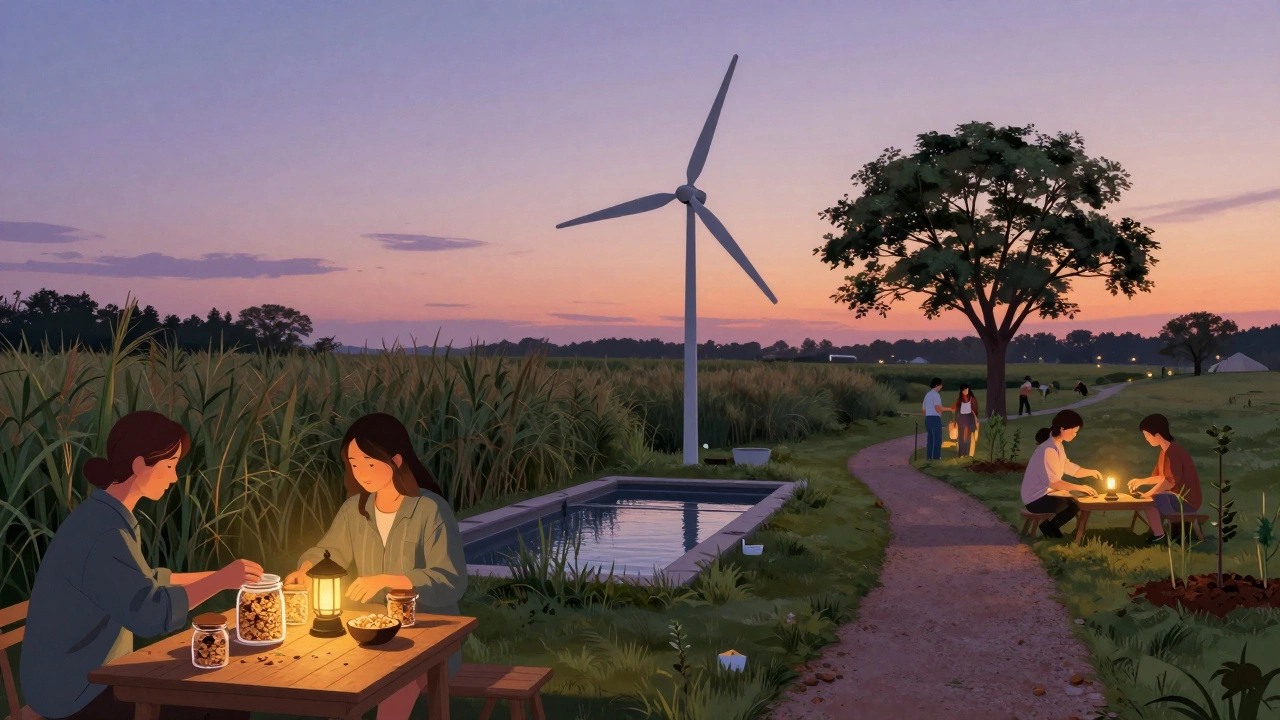
Food waste and plastic packaging are huge issues in vacation rentals. Glamping sites that care about sustainability partner with local farmers and foragers. Breakfast might include eggs from chickens on-site, honey from nearby hives, and bread baked in a wood-fired oven down the road.There’s no minibar filled with plastic-wrapped snacks. Instead, guests get reusable jars with bulk nuts, dried fruit, and homemade granola. Leftovers? They’re composted. Even paper towels are made from recycled fibers. One site in Scotland reduced its waste output by 92% in two years by switching to zero-waste protocols and training staff in circular systems.
And it’s not just about what’s thrown away-it’s about what’s brought in. Many glamping operators ask guests to arrive with reusable water bottles and shopping bags. Some even lend out refillable containers for coffee or wine.
Small Footprint, Big Experience
Glamping cottages are small. Really small. Most range from 150 to 400 square feet. That’s less than half the size of a standard hotel room. Smaller spaces mean less energy to heat, less material to build, less cleaning to do, and less water to use.Compare that to a luxury resort with 200 rooms, each averaging 600 square feet. The energy, water, and waste footprint is massive. Glamping flips the script: fewer guests, deeper impact. A glamping site with 10 cottages might host the same number of visitors as a hotel with 50 rooms-but use 80% less energy and generate 70% less waste.
And because glamping sites are usually located in protected or rural areas, they avoid the urban sprawl that comes with big hotels. No parking lots. No neon signs. No traffic jams. Just quiet, undisturbed landscapes.
Guests Are Part of the Ecosystem
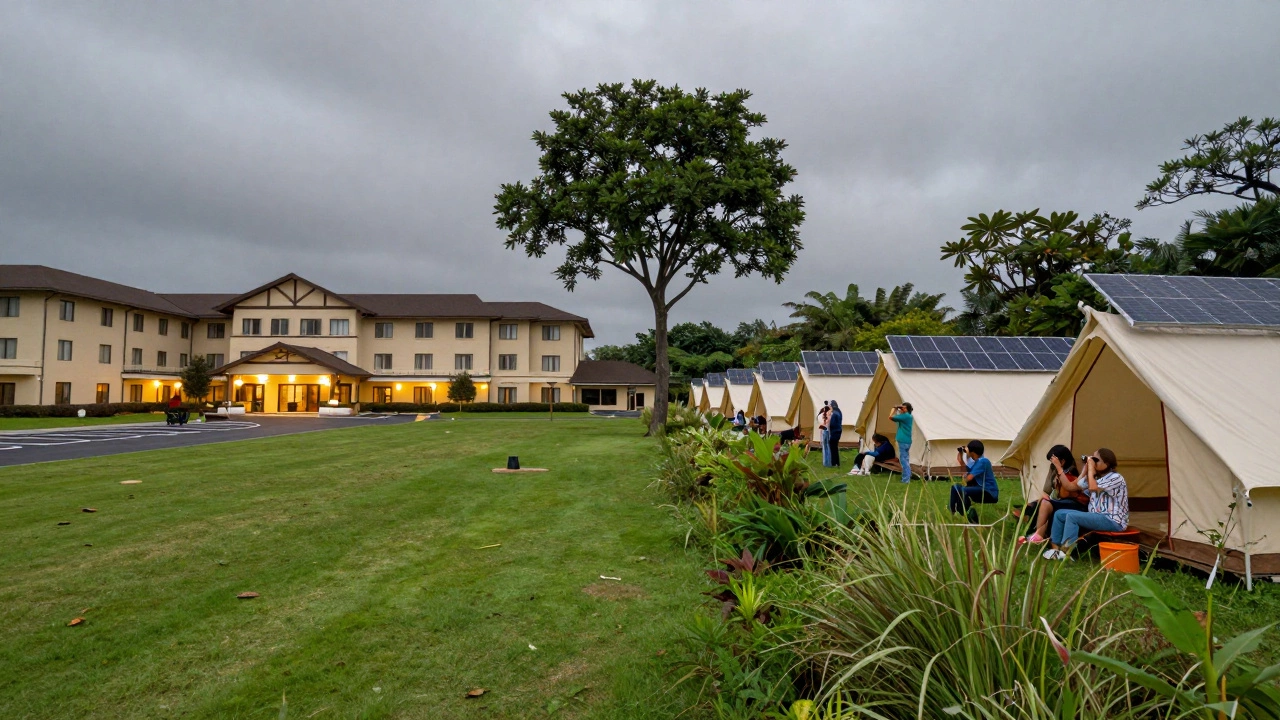
Glamping doesn’t just avoid harm-it actively helps. Many sites offer guided nature walks, birdwatching tours, or tree-planting days. Guests aren’t just staying somewhere-they’re contributing to it.At a glamping retreat in Costa Rica, guests pay a $10 eco-fee that goes directly to reforesting nearby land. In the past three years, they’ve planted over 3,000 native trees. In Wales, guests help monitor local bat populations using provided binoculars and apps. Data collected by tourists is used by conservation groups.
This isn’t guilt-tripping. It’s participation. People remember experiences where they felt useful. And that’s what keeps them coming back-not just the comfy bed, but the sense that they’re part of something better.
Wildlife Protection Is Built In
Traditional resorts often light up the night, play loud music, and clear land for manicured lawns-all of which disrupt animals. Glamping sites do the opposite.Lighting is low, warm, and shielded. No spotlights. No blinking signs. Many sites use motion-sensor lights that only turn on when someone walks by. Noise levels are kept low by design: no DJs, no pool parties, no blaring TVs. Some even use natural sound barriers like hedges or berms to block outside noise.
Wildlife corridors are preserved. Trails are kept narrow to avoid disturbing nesting areas. In Canada, one glamping site worked with biologists to move a beaver dam that was threatening their water system-not to remove it, but to relocate it safely. The beavers thrived. So did the guests.
It’s Not Perfect-But It’s Progress
Let’s be real: not every glamping site is eco-friendly. Some just call themselves "eco" to charge more. That’s greenwashing. But the real ones? They’re transparent. They show their energy bills. They list their waste reduction stats. They publish their supplier lists.Look for certifications like Green Key, LEED, or the Global Sustainable Tourism Council (GSTC) badge. These aren’t just stickers-they’re audits. Sites that earn them have passed inspections on everything from water use to staff training.
And if you’re choosing a glamping spot, ask questions: Where does your electricity come from? Do you compost? Are your furnishings local? If they hesitate, they’re probably not as green as they claim.
Why This Matters for the Future of Travel
Tourism accounts for 8% of global carbon emissions. By 2030, that number could rise to 11% if we keep building like we always have. Glamping offers a different path-one that doesn’t require giving up comfort, just rethinking how we create it.It proves you don’t need a 10,000-square-foot villa to feel pampered. You just need thoughtful design, respect for nature, and a willingness to be part of the solution. Glamping isn’t just a trend. It’s a blueprint for how travel can-and should-work in the next decade.
Is glamping really better for the environment than regular camping?
It depends. Basic camping with a tent and minimal gear has the lowest environmental impact. But most people who go camping still bring disposable items, use gas stoves, and leave trash behind. Glamping, when done right, reduces those impacts with composting toilets, solar power, and zero-waste policies. For the average traveler, glamping is often the greener choice because it encourages responsible behavior without requiring extreme sacrifice.
Do glamping cottages use a lot of electricity?
No-not if they’re designed for sustainability. Most use solar panels that generate just enough power for LED lights, a small fridge, and charging devices. A typical glamping cottage uses about 2-3 kWh per day. A standard hotel room uses 20-30 kWh. That’s 90% less.
Are glamping cottages more expensive because they’re eco-friendly?
Sometimes, but not always. The higher price often reflects better materials, smaller scale, and staff training-not just "green" branding. Many eco-glamping sites cost the same as mid-range hotels. And when you factor in the lack of resort fees, parking charges, or expensive meals, they often end up cheaper.
Can glamping be eco-friendly in cold climates?
Absolutely. In Norway and Sweden, glamping sites use thick insulation, passive solar design, and wood-burning stoves fueled by local, sustainably harvested timber. Some even use geothermal heat pumps. Cold climates don’t prevent sustainability-they just require smarter solutions.
What should I look for when choosing an eco-friendly glamping site?
Check for certifications like Green Key or GSTC. Look for signs of off-grid power, composting toilets, and local food sourcing. Ask if they use plastic, and if they do, why. The best sites will have clear answers-and even show you their waste logs or energy reports.