Cottage Bedroom Feasibility Calculator
Assess Your Cottage's Bedroom Potential
- Land size: 0.25 acres allows for small extensions
- Budget: €50,000 supports moderate renovations
- Location: Rural area with standard planning rules
There’s no law that says a cottage must have just one bedroom. But if you’ve ever walked into a cozy stone cottage with a wood stove and thought, Could this fit a family of five?-you’re not alone. The truth is, cottages can have more bedrooms than you’d expect. But there are practical, historical, and legal limits that shape what’s really possible.
What Defines a Cottage?
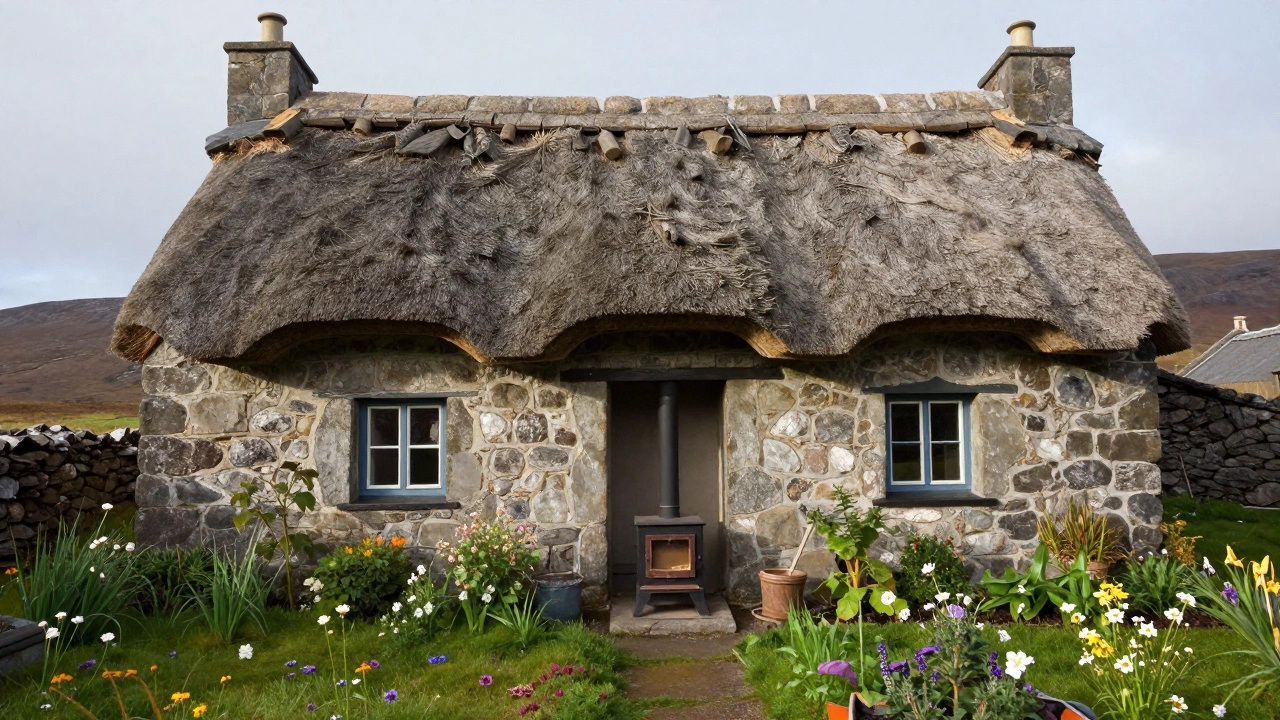
A cottage isn’t just a small house. It’s a type of building with roots in rural life-originally built for farm workers, fishermen, or shepherds. In England, Ireland, and parts of Scotland, cottages were typically one or two rooms, with a single fireplace, dirt floors, and maybe a loft for sleeping. That’s the image most people have: a tiny, charming, one-bedroom place with a thatched roof.
But modern cottages? They’ve changed. Today, a cottage is more about style than size. It’s a low-rise, often stone or timber-built home, with a pitched roof, small windows, and a sense of warmth. It doesn’t have to be small. In fact, many newly built or renovated cottages now have three, four, even five bedrooms-especially if they’re meant for families or holiday rentals.
Historical vs. Modern Cottages
Traditional cottages, built before 1900, rarely had more than two bedrooms. Why? Because families were smaller, and heating a big space with a single hearth was impossible. A typical 18th-century Irish cottage might have one main room downstairs, a loft above, and maybe a small back room for storage or a child’s bed. That’s two sleeping areas at most.
Fast forward to 2025, and you’ll find cottages in the Lake District, the Scottish Highlands, or rural County Clare with four or five bedrooms. How? Renovations. Homeowners are knocking down internal walls, adding extensions, and building loft conversions. A former cowshed turned into a guest suite? That’s now a bedroom. An old hayloft with proper insulation and stairs? That’s another.
The key difference? Modern cottages aren’t bound by their original function. They’re designed for comfort, not just survival.
What’s the Practical Limit?
There’s no official cap on how many bedrooms a cottage can have. But there are real-world limits.
- Land size: Most cottages sit on small plots-often under half an acre. Adding more bedrooms means more square footage, which can crowd the garden or yard.
- Building codes: In the UK and Ireland, any extension over 40 square meters usually needs planning permission. A five-bedroom cottage might require multiple approvals, especially if it changes the building’s footprint.
- Utilities: A cottage with five bedrooms needs a bigger septic tank, a stronger water pump, and a more powerful heating system. Older cottages weren’t built for that. Retrofitting can cost €20,000 or more.
- Market demand: Most people looking for a cottage want charm, not sprawl. A four-bedroom cottage might rent well as a family getaway, but a six-bedroom one? It starts feeling more like a B&B than a cottage.
So while you can build a five-bedroom cottage, most people stop at three or four. That’s the sweet spot: enough space for kids or guests, without losing the cottage feel.
Typical Bedroom Counts Today
Based on real listings from rural Ireland, Wales, and Scotland in 2025, here’s what you’ll actually find:
| Property Type | Typical Bedrooms | Common Use |
|---|---|---|
| Traditional cottage (unrenovated) | 1-2 | Couple or solo traveler |
| Renovated cottage | 2-3 | Small family or friends |
| Extended cottage | 3-4 | Large family or holiday rental |
| Large cottage conversion | 4-5 | Group getaway, event space |
| Exceeding 5 bedrooms | 5+ | Rare; often former farmsteads |
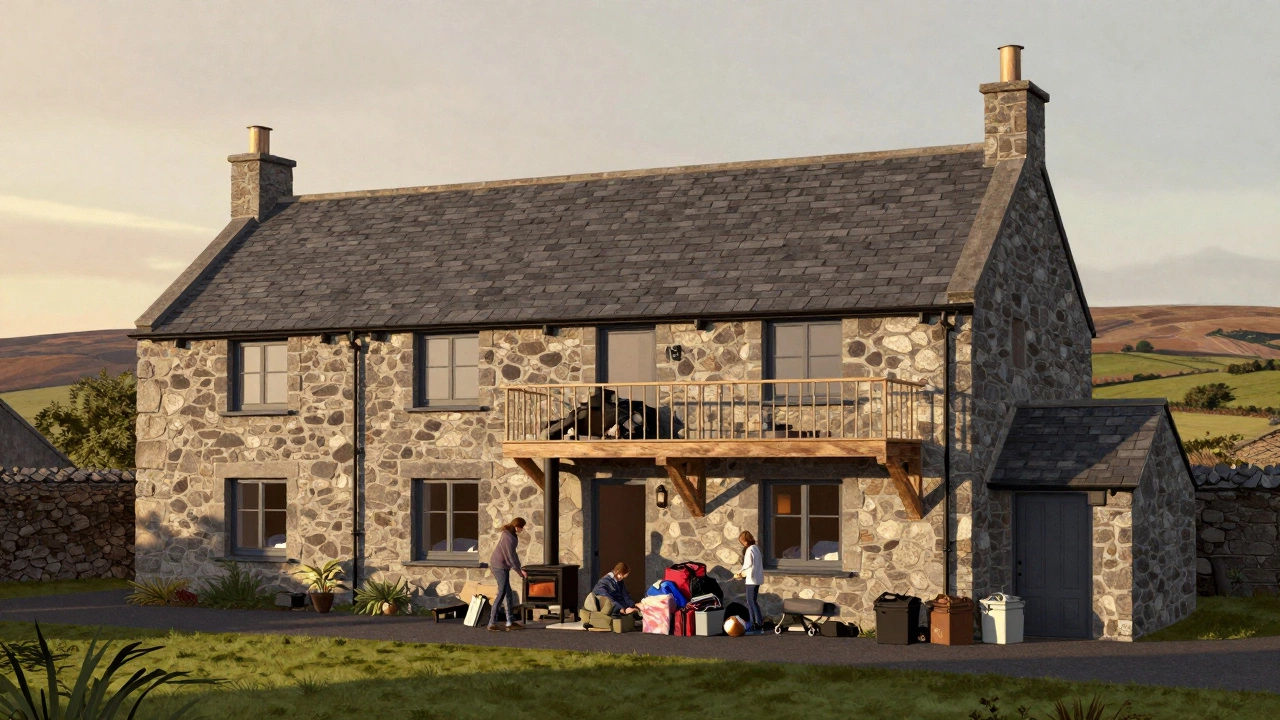
Most listings on Airbnb or Booking.com in rural areas show 2-3 bedrooms as the norm. Four is common for high-end rentals. Five? That’s a standout-and usually comes with a price tag to match.
When More Bedrooms Make Sense
There are good reasons to go bigger.
- Family reunions: A cottage with four bedrooms lets grandparents, parents, and kids all stay under one roof. No need to book multiple places.
- Short-term rentals: In popular areas like the Peak District or Connemara, a four-bedroom cottage can earn €150-€250 per night. That’s more than double what a two-bedroom makes.
- Multi-generational living: Some people buy cottages to live in full-time with aging parents. Adding a bedroom and ensuite makes it practical.
- Home offices: A fifth room doesn’t have to be a bedroom. It can be a studio, a library, or a craft room-people still call it a cottage if the exterior looks right.
One client in County Wicklow turned a 1920s stone cottage into a five-bedroom home. She kept the original chimney, the slate roof, and the small front door. Inside? Open-plan kitchen, underfloor heating, and a full ensuite in each bedroom. Locals still call it "the old cottage." That’s the trick: keep the soul, upgrade the bones.
What to Watch Out For
Adding bedrooms sounds great-until you hit the walls.
- Structural limits: Older cottages have load-bearing stone walls. You can’t just knock one down. A structural engineer will cost €500-€1,000 before you even start.
- Planning permission: In protected areas (like National Parks or conservation zones), you can’t extend beyond 50% of the original footprint. Some councils won’t allow new bedrooms if they change the cottage’s appearance.
- Cost vs. return: Adding a bedroom can cost €30,000-€60,000. Will you recoup that? In a quiet village? Maybe not. In a tourist hotspot? Often yes.
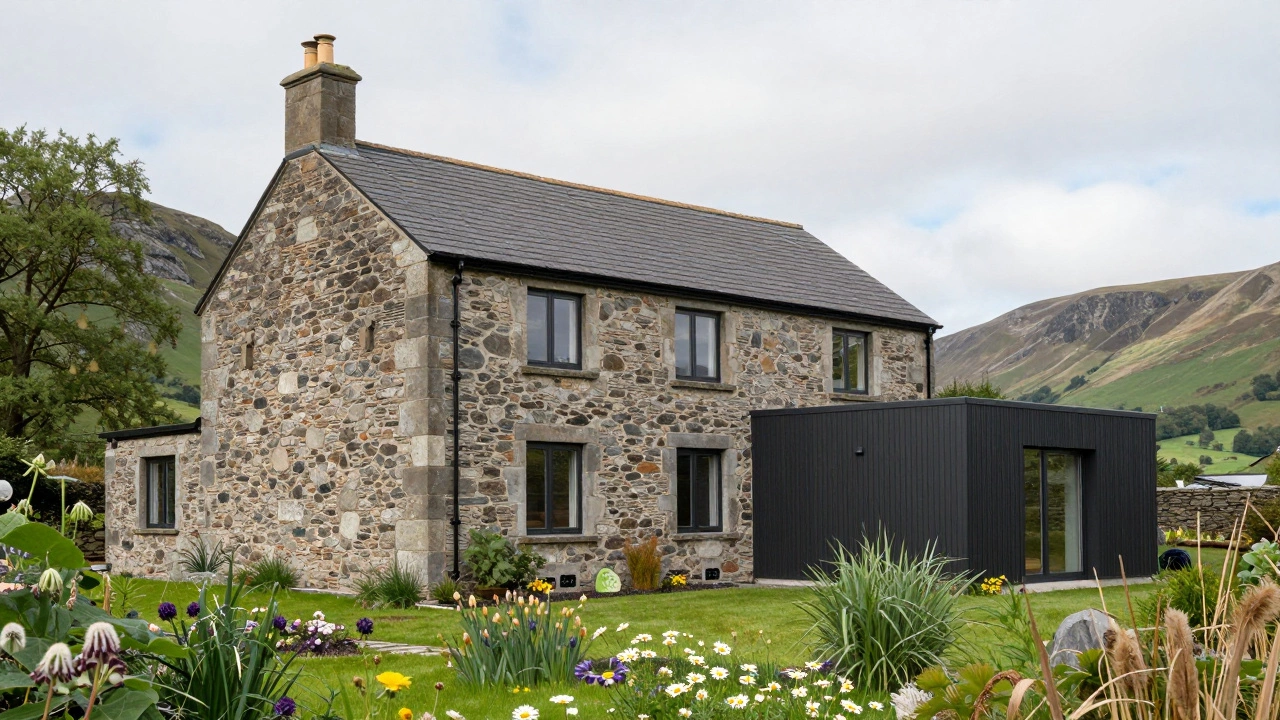
- Character loss: A cottage with five bedrooms might have a modern extension that looks like a box. It loses the charm that made it a cottage in the first place.
Pro tip: If you’re thinking of adding a bedroom, start with a loft conversion. It’s cheaper, often doesn’t need planning permission, and keeps the original footprint intact.
Bottom Line: How Many Bedrooms Is Too Many?
There’s no hard rule. But if you’re asking this question, you’re probably thinking about buying, renting, or renovating. Here’s what works:
- 1-2 bedrooms: Perfect for couples, solo travelers, or a quiet retreat.
- 3 bedrooms: The most popular choice. Fits families or small groups without losing charm.
- 4 bedrooms: Great for rentals or multi-generational stays. Still feels like a cottage if the design stays true.
- 5+ bedrooms: Possible-but only if the land is large, the budget is high, and you’re okay with it feeling more like a house.
Remember: A cottage isn’t defined by its square footage. It’s defined by its feel. A five-bedroom cottage with exposed beams, a wood-burning stove, and a wildflower garden still feels like a cottage. One with vinyl siding, central air, and a hot tub in the driveway? That’s just a big house with a cute name.
What to Look For When Buying or Renting
If you’re searching for a cottage with multiple bedrooms, here’s what to check:
- Is the layout open and warm, or cramped and boxy?
- Are the windows original or modern replacements?
- Does the roof still have slate or thatch?
- Is there a fireplace or wood stove?
- Is the garden enclosed and natural, or manicured like a lawn?
These details matter more than the number of doors on the floor plan. A three-bedroom cottage with character will always beat a five-bedroom one that feels like a hotel room.
Can a cottage legally have five bedrooms?
Yes, legally. There’s no law in Ireland, the UK, or most of Europe that limits a cottage to a certain number of bedrooms. But local planning rules may restrict extensions, especially in protected areas. You’ll need permission for major changes, and utilities like septic systems must handle the extra load.
Is a four-bedroom cottage still considered a cottage?
Absolutely. What makes a cottage a cottage is its style-low profile, traditional materials, cozy feel-not the number of rooms. Many high-end holiday rentals in rural areas have four or five bedrooms and still market themselves as cottages because they keep original features like stone walls, timber beams, and thatched roofs.
Do cottages with more bedrooms cost more to run?
Yes. More bedrooms mean more space to heat, more water to supply, and often a larger septic tank or upgraded electrical system. A four-bedroom cottage built in 1900 might need €8,000 in upgrades just to handle modern needs. Running costs can be 40-60% higher than a two-bedroom version.
Are there cottages with six or more bedrooms?
Rare, but yes. These are usually former farmhouses, estate buildings, or large barn conversions that were reclassified as cottages. They’re more like country houses with a cottage aesthetic. You’ll find them in places like the Cotswolds or Donegal, often listed as "large country cottages" or "historic estate cottages."
Should I buy a two-bedroom cottage and extend it later?
It’s a smart move-if you’re planning to stay long-term. Buying a smaller cottage is cheaper upfront, and you can add a bedroom later when you have the budget. Just make sure the land allows for an extension, and check local planning rules before you buy. Many councils have rules about how much you can build on a plot.