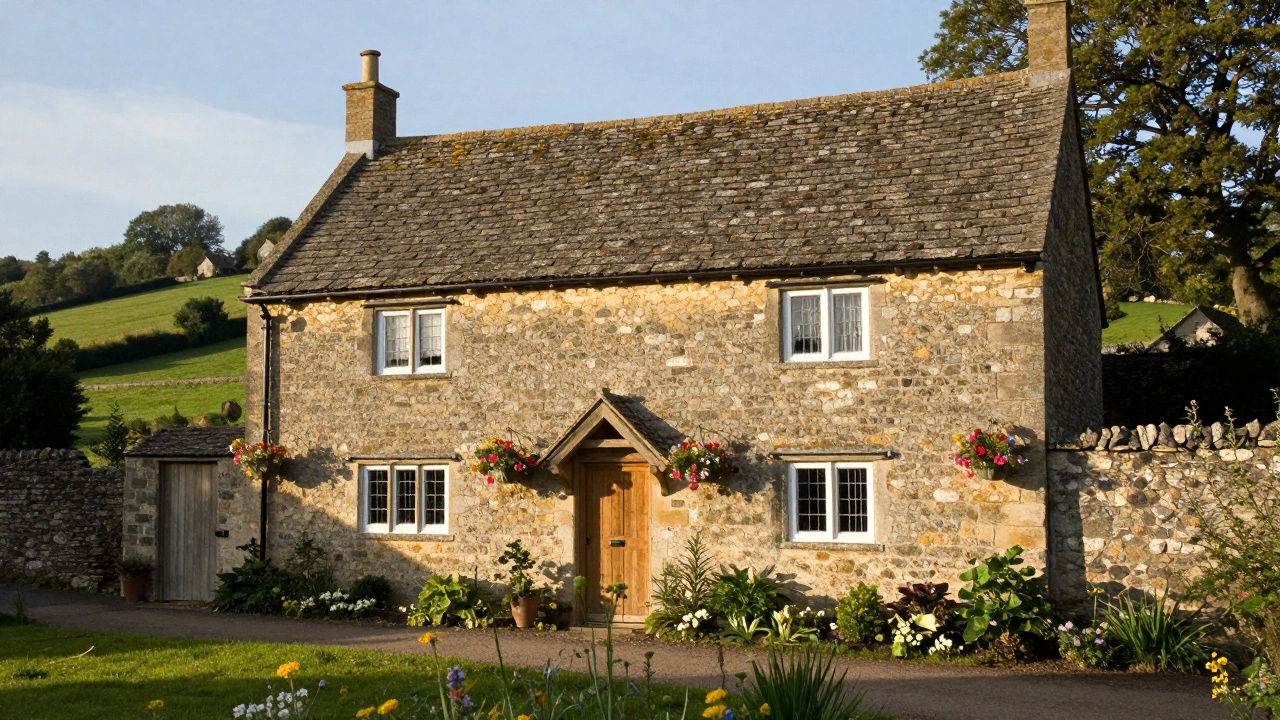
The Short Answer About Cottage Rooms
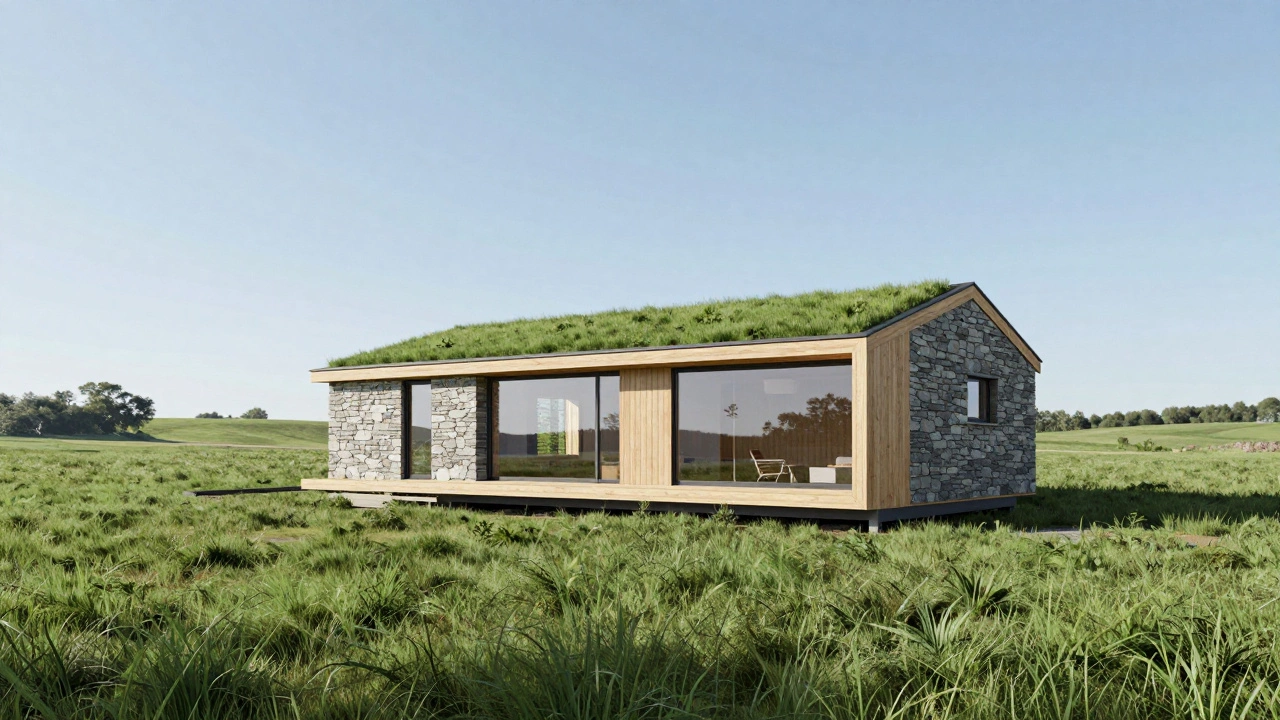
When you ask how many cottage rooms typically exist, the immediate answer isn't a single number. Most traditional stone-built cottages in rural settings range between two and four bedrooms. However, this changes drastically depending on whether you are looking at a historical stone house in Ireland, a timber cabin in North America, or a newly built eco-cottage designed for weekend getaways. You need to understand that "cottage" describes a style and atmosphere more than a specific architectural blueprint.
Cottage is a small house, usually in a village or rural area, often characterized by its cozy interior and simple design. Also known as Country House, it dates back to agricultural history where laborers lived close to their work. Today, these structures often serve as high-value vacation rentals or charming primary residences. The definition shifts as renovation trends move towards open-plan living while retaining external character features.
Defining the Classic Cottage Layout
In regions like Ireland and the UK, the word comes from centuries of farmsteads. If you walk through a village street in County Clare or Devonshire, you'll notice a pattern. Older buildings were built to shelter people and livestock initially, evolving into purely residential spaces. Historically, the ground floor housed the living room, kitchen, and dining area. The upper floor held sleeping quarters. This vertical stacking limits the total room count naturally.
A standard, unrenovated unit might only offer one large bedroom on the first floor and a smaller one above. As homeowners renovated over decades, walls moved. Modern buyers expect en-suite bathrooms. So, the original two-bedroom structure morphed into a configuration with a master suite and a single guest room. This evolution explains why listing agents rarely give exact numbers without seeing the floor plan.
Bedroom Standards for Rural Properties
Most real estate professionals categorize properties by their sleeping capacity. A one-bedroom cottage acts as a studio or bachelor pad. These are rare in the countryside unless it is a converted barn or a specific investment buy-to-let. Two bedrooms represent the sweet spot for couples or young families. They provide a master room and a guest room without taking up excessive square footage.
Three bedrooms become the standard for family rentals. When you search listings in popular tourist areas like the Dingle Peninsula or the Cotswolds, you'll find the bulk of inventory sits in the three-bed category. Four bedrooms enter luxury territory. At this point, we are crossing into manor house grounds. Anything beyond four usually requires larger land parcels and higher infrastructure costs, pushing the price significantly past the average budget for a cottage purchase.
Living Spaces and the Concept of Open Plans
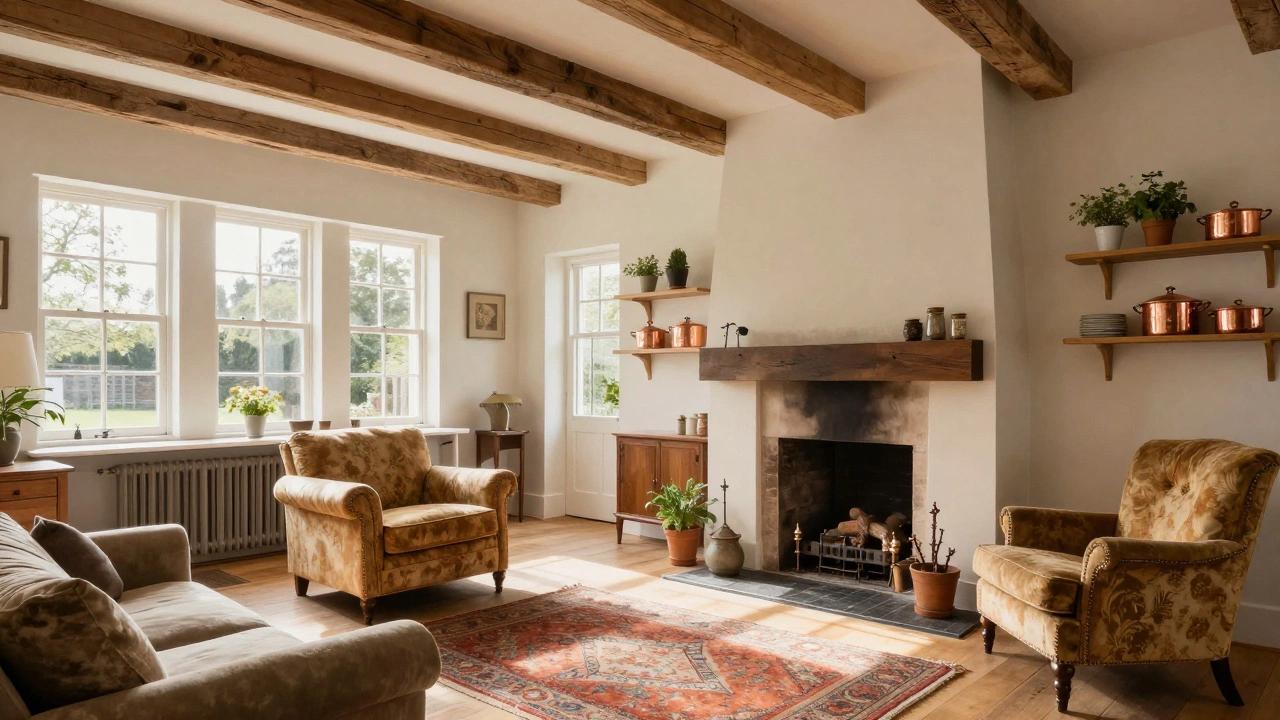
Counting bedrooms tells only half the story. You must look at the flow of communal areas. In older stock, distinct rooms separated the kitchen from the sitting room. Walls were thick, made of stone or brick, making them hard to remove safely. Newer builds prioritize flow. The kitchen-diner-living concept merges three functional zones into one large volume.
If you are evaluating a property, check if the hallway serves as a buffer or a transit space. Good layouts hide utility rooms behind false doors. Bad designs force guests to walk through the kitchen to reach the bedroom. The perceived size of the home depends heavily on this arrangement. A 70-square-meter cottage feels spacious with vaulted ceilings but cramped with box-like partitioned rooms.
Bathroom Configurations in Historic Homes
The wet room situation dictates livability. Original farmhouses had no indoor plumbing until the mid-20th century. Renovations now require compliance with local building regulations. Ideally, a cottage should feature one full bathroom for general use and potentially a cloakroom or powder room near the entrance. For rental purposes, two full baths prevent bottlenecks when hosting multiple parties.
Rural Property is real estate located outside urban centers, often featuring agricultural land or scenic views. Also known as Country Land, it commands different valuation metrics than city apartments. Water supply and septic tank regulations often limit expansion possibilities in these zones.
Modernizing an old cottage involves digging foundations for new drainage pipes. This adds cost. Some owners opt for a shower room instead of a full bathtub to save space. This decision directly impacts the room count available for sleeping purposes. Every inch gained for plumbing reduces the footprint for a bedroom.
Regional Differences in Definitions
You cannot ignore geography. A New England cottage might imply a single-story frame house with wrap-around porches. An Irish cottage suggests slate roofs and stone walls. In Scotland, a croft refers specifically to small farms with grazing rights attached to the dwelling. These cultural associations change buyer expectations.
In the United States, zoning laws define square minimums differently than Irish planning authorities. If you import a concept from another country, you may face restrictions. For instance, annexing a garage to add living space might be illegal in a conservation area but allowed in a suburban development zone. Understanding local codes prevents disappointment when measuring rooms against your needs.
Size Expectations for Different Occupants
Think about who lives there permanently versus temporarily. Long-term residents need storage. Seasonal vacationers care about convenience. Storage space counts toward usability even if it isn't a habitable room. Loft conversions add capacity without expanding the footprint. Attic access allows for a playroom or home office, functionally increasing the room count for specific tasks.
A couple retiring to the coast might prefer a single-story bungalow layout over a multi-story stone build. Accessibility becomes a priority. Steps to the bedroom eliminate certain demographics. Ground-floor master suites solve this issue. This shift changes the distribution of rooms rather than the total count. One large ground floor replaces a split level configuration.
| Property Type | Total Bedrooms | Bathrooms | Approximate Square Meters |
|---|---|---|---|
| Traditional Farmhouse | 2 - 3 | 1 | 90 - 120 |
| Modern Eco-Cottage | 1 - 2 | 1 | 50 - 70 |
| Luxury Retreat | 3 - 4 | 2 - 3 | 130+ |
| Holiday Studio | Studio / 1 | Shower Room | 30 - 40 |
Notice the variation in bathroom ratios. Smaller units skip bathtubs entirely. Larger units duplicate facilities for privacy. This scaling helps you decide if the layout suits your guest list.
Economic Impact of Room Counts
Pricing per square meter fluctuates based on bedroom utility. Agents price per "bed" in competitive markets. A three-bedroom cottage sells faster than a unique one-bedroom character home. Investors look for maximum density. However, fewer rooms mean lower maintenance bills. Heating a compact footprint costs less in winter months.
Maintenance includes window cleaning, roof repair, and heating fuel. Extending the property laterally increases the surface area exposed to wind and rain. Vertical extension reduces heat loss. Smart design uses the height of the building rather than spreading out. This maximizes the ratio of interior comfort to exterior exposure.
Planning Regulations and Expansions
Before adding extra rooms, check permitted development rights. You might add a side extension without full permission, but this varies by council. Conservation areas protect heritage features. Changing windows or adding solar panels might need consent. Planning rules act as constraints on room additions.
If you buy a fixer-upper, verify what was approved previously. Unpermitted extensions risk fines or forced demolition. This creates financial uncertainty. Always consult a surveyor before finalizing a contract. Due diligence saves money compared to retrofitting unauthorized structures later.
Conclusion on Sizing
The ideal room count balances your lifestyle needs with budget limits. Start with the non-negotiable requirements for your household. Decide if you need a dedicated home office or if a corner suffices. Prioritize flow over quantity. A well-designed two-bedroom space functions better than a poorly laid-out three-bedroom box.
Whether buying for yourself or investing in holiday lets, focus on utility rather than vanity metrics. A cozy retreat beats a sprawling mansion for warmth and energy efficiency. The charm lies in the details, not the headcount of rooms.
Is a studio apartment considered a cottage?
Generally, no. Studios lack separate bedrooms and usually sit in urban or complex settings. True cottages stand alone as detached structures, even if small.
What is the minimum bedroom size in a cottage?
Building codes vary, but most jurisdictions require at least 70 square feet for a single occupant bedroom. Local councils enforce specific dimensions for safety and ventilation.
Can I convert a shed into a bedroom in a cottage?
This requires planning permission. You must prove the structure meets insulation standards, fire safety regulations, and sanitary requirements to classify it legally as a room.
Do cottages usually have basements?
It depends on soil conditions. Clay soils support cellars, while rocky terrain often forces foundations to sit on the surface. Many traditional cottages have root cellars rather than finished basements.
How does room count affect resale value?
Value correlates with bedroom count up to a point. Three bedrooms usually maximize ROI. Beyond that, diminishing returns apply unless the location is extremely desirable.