Glamping Eco-Score Calculator
Select the features present at the glamping site to determine its environmental impact. Based on industry standards for sustainable hospitality.
Powered by solar, wind, or biomass (not diesel/grid)
Rainwater harvesting, composting toilets, or greywater recycling
Locally sourced timber, organic canvas, recycled lumber
Composting, recycling, no single-use plastics
Farm-to-table menu or on-site garden produce
Verified by Green Key, EarthCheck, or similar bodies
Signage about conservation, wildlife monitoring programs
Eco-Score
No Data Selected
Analysis Result
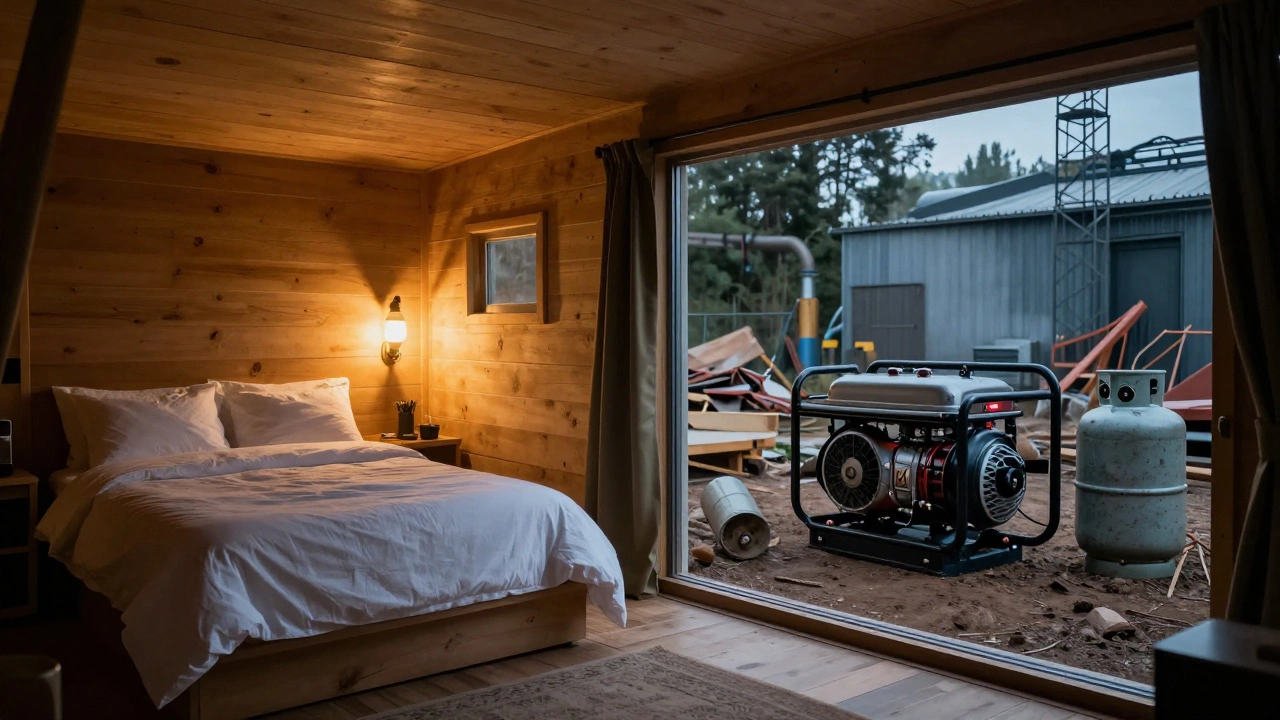
Picture this: you’re lying in a bed suspended from tree branches, watching the stars roll over a canopy of leaves. It feels wild, raw, and completely disconnected from the grind of city life. But then you look closer. That ‘wild’ experience is powered by a diesel generator humming quietly in the background. The hot shower relies on a propane tank buried under the deck. And the ‘natural’ wood cabin was shipped halfway across the world on a cargo plane.
This is the paradox of glamping, which stands for glamorous camping and represents a growing sector of the hospitality industry that blends outdoor adventure with hotel-like comfort. People want to feel close to nature without sacrificing creature comforts. The problem is that this desire often comes at a hidden environmental cost. So, is glamping actually environmentally friendly? Or is it just greenwashing dressed up in linen sheets?
The Carbon Cost of Comfort
To understand the environmental impact of glamping, we have to look at how these structures are built and maintained. Traditional camping involves a tent you pack into your car and take home. The footprint is minimal-mostly just the wear on the ground and the trash you might leave behind. Glamping is different. A typical glampsite features permanent or semi-permanent structures like yurts, safari tents, or luxury pods.
These structures require materials. Wood, canvas, steel, and glass all have embodied carbon-the emissions created during their manufacturing and transport. If a glamping pod is manufactured in Europe and shipped to a site in North America, the transportation emissions alone can offset years of ‘eco-friendly’ living. I’ve seen sites where the ‘eco’ label is slapped on because they use recycled plastic lumber, but ignore the fact that the entire structure was flown in.
Then there’s energy usage. Camping is cold when it gets cold and hot when it gets hot. Glamping promises climate control. This means heating systems, air conditioning, and lighting running 24/7. If that power comes from the local grid, which still relies heavily on fossil fuels in many regions, the carbon footprint of one week’s stay in a heated yurt can exceed that of a month in a standard campsite. The key question isn’t whether glamping uses energy-it does-but where that energy comes from.
What Makes a Glamping Site Truly Green?
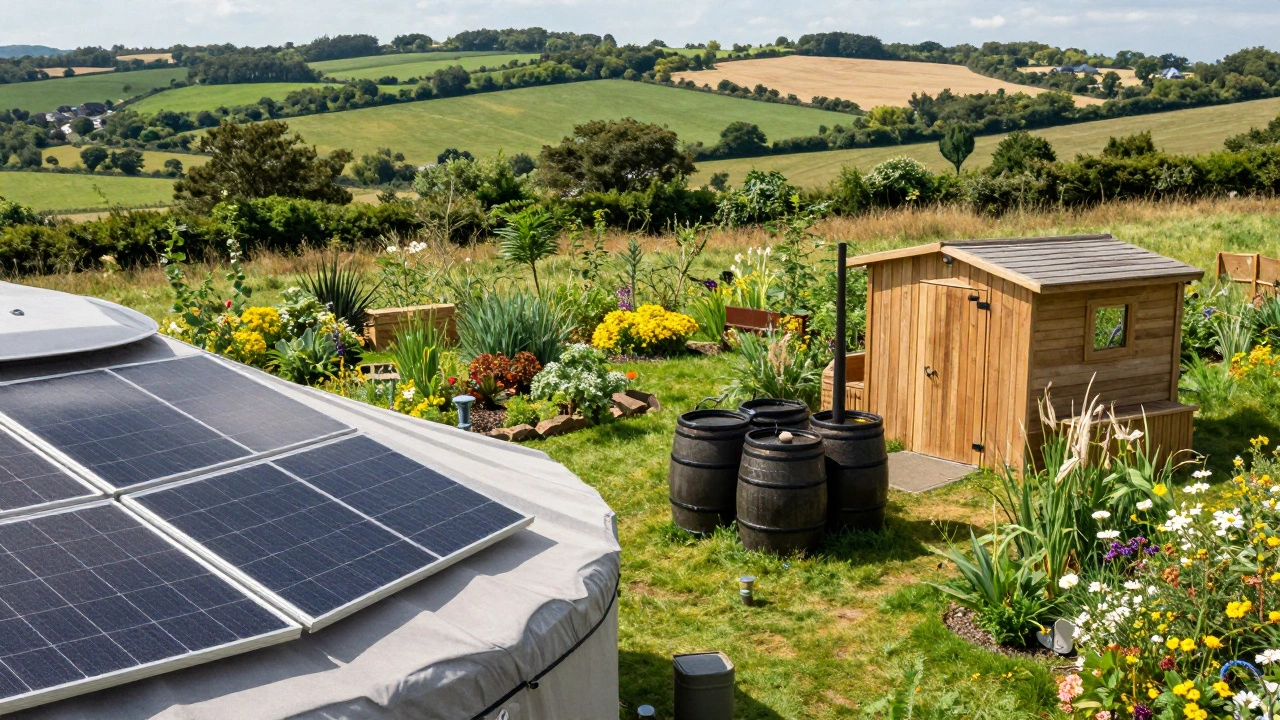
Not all glamping is equal. Some operators are genuinely committed to sustainability, while others treat ‘eco’ as a marketing buzzword. To separate the real deal from the fakes, you need to look for specific attributes. A truly eco-friendly cottage or glamping unit should integrate renewable energy sources, such as solar panels or wind turbines, to power its operations.
Water management is another critical factor. In remote natural settings, water is precious. Sustainable sites use greywater recycling systems to reuse shower and sink water for irrigation. They also employ composting toilets that break down waste without using chemical flushes, preventing contamination of local soil and groundwater. If you’re staying somewhere and notice heavy-duty plumbing and large septic tanks, ask yourself if that’s necessary for the scale of operation.
Materials matter too. Look for sites that use locally sourced timber, reducing transport emissions. Canvas tents made from organic cotton or hemp are better than synthetic fabrics derived from petroleum. Even small details count: biodegradable soaps, refillable toiletry dispensers instead of single-use plastic bottles, and menus featuring seasonal, locally grown food to cut down on food miles.
| Feature | Standard Glamping | Eco-Friendly Glamping |
|---|---|---|
| Energy Source | Diesel generator / Grid electricity | Solar panels / Wind / Biomass |
| Water System | Municipal supply / Chemical septic | Rainwater harvesting / Composting toilets |
| Construction Materials | Imported prefabricated units | Locally sourced timber / Recycled materials |
| Waste Management | Landfill disposal | Composting / Recycling / Zero-waste policy |
| Food Supply | National chain suppliers | On-site garden / Local farmers |
The Psychological Impact: Does Nature Help Us Care?
There’s an argument that glamping, even if imperfect, does more good than harm by connecting people to nature. When you spend time outdoors, you’re more likely to value conservation. You see the trees, the streams, and the wildlife firsthand. This emotional connection can inspire long-term behavioral changes. People who go glamping often return home more interested in sustainability, reducing their own household waste, or supporting local conservation efforts.
This is known as the ‘nature deficit’ remedy. Cities isolate us from the environment, making pollution and waste abstract concepts. Glamping brings those realities into sharp focus. If a site educates guests about its solar setup or invites them to help pick vegetables for dinner, it turns a vacation into a learning experience. That educational component adds value beyond just the carbon metrics.
However, this benefit only works if the site doesn’t destroy the very nature it claims to celebrate. Overdevelopment is a real risk. When popular glamping destinations become overcrowded, trails erode, wildlife habitats shrink, and noise pollution disrupts animal behavior. The irony is thick when a ‘peaceful retreat’ becomes a noisy resort complex.
Greenwashing: Spotting the Fake Eco-Claims
As demand for sustainable travel grows, so does the temptation to fake it. Greenwashing happens when companies exaggerate their environmental benefits to attract customers. Here’s how to spot it:
- Vague Language: Terms like ‘earth-friendly,’ ‘green,’ or ‘natural’ without explanation are red flags. Real eco-sites specify their practices-e.g., ‘100% solar-powered’ or ‘zero single-use plastics.’
- Small Gestures, Big Impacts: A site might ban plastic straws but run its entire operation on diesel generators. Focus on the big hitters: energy, water, and waste.
- Certifications: Look for recognized third-party certifications like Green Key, EarthCheck, or local national eco-labels. These require audits and ongoing compliance, unlike self-declared ‘eco’ status.
I once visited a site that called itself ‘Eco-Luxury’ because they served organic breakfast pastries. Meanwhile, their hot tubs were heated by coal briquettes, and they used harsh chemicals to clean the surrounding forest floor. It’s easy to be fooled by the aesthetic-bamboo furniture and leaf motifs don’t make a place sustainable.
How to Choose a Sustainable Glamping Experience
If you want to enjoy the outdoors without compromising your values, you have the power to choose wisely. Start by researching the site’s energy source. Do they mention solar, wind, or biomass? If not, assume they’re using conventional power. Check their waste policy. Do they recycle? Compost? Avoid landfill?
Look at the location. Sites that restore degraded land or protect existing habitats are preferable to those that clear-cut forests for views. Support smaller, family-run operations rather than large corporate chains. Smaller businesses are more likely to care deeply about their immediate environment and less likely to prioritize profit over planet.
Finally, bring your own reusable items. Even the best eco-sites appreciate guests who minimize waste. Bring a metal water bottle, cloth napkins, and reusable bags. Your actions reinforce the culture of sustainability and encourage other guests to do the same.
The Future of Glamping: Innovation Meets Nature
The glamping industry is evolving. New technologies are making it easier to live comfortably with a lower footprint. Biodegradable construction materials, modular designs that can be disassembled and moved without damaging the site, and advanced battery storage systems are becoming standard. Some sites are experimenting with algae-based insulation or mycelium (mushroom) bricks, which grow themselves and decompose naturally at the end of their life.
In Ireland, where I live, we’re seeing a rise in eco-cottages that use passive house design principles. These buildings are super-insulated, requiring minimal heating or cooling. They capture rainwater and generate more energy than they consume. This model proves that comfort and sustainability aren’t mutually exclusive-they just require smarter design.
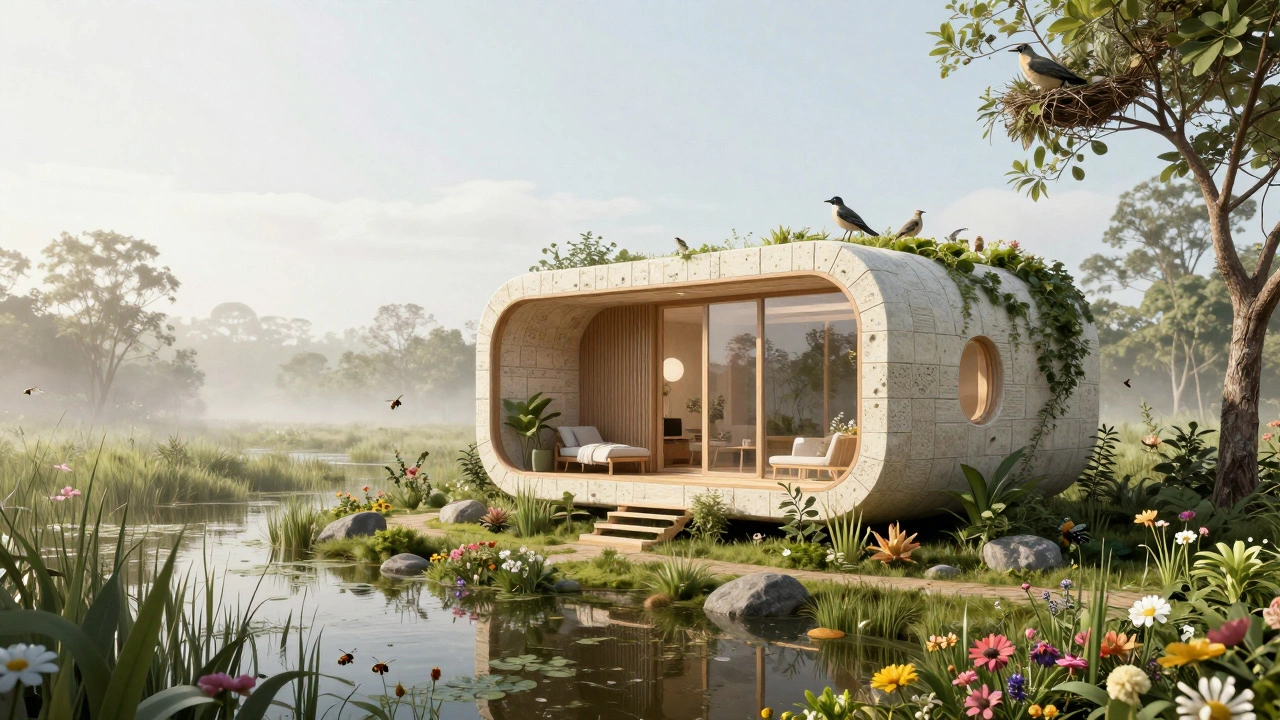
The trend is moving towards ‘regenerative tourism,’ where the goal isn’t just to do less harm, but to actively improve the environment. This might mean planting more trees than you cut, restoring wetlands, or creating pollinator gardens. Glamping has the potential to lead this charge, turning vacation spots into living laboratories for ecological restoration.
Is glamping better for the environment than camping?
Generally, no. Traditional camping has a much lower environmental footprint because it requires fewer resources and generates less waste. Glamping involves permanent structures, higher energy consumption, and more complex waste management systems. However, if you choose a truly eco-friendly glamping site with renewable energy and sustainable practices, the gap narrows significantly.
What are the signs of greenwashing in glamping?
Watch out for vague terms like 'eco' or 'green' without specific details. Red flags include sites that rely on diesel generators, use single-use plastics, or lack third-party certifications. True eco-glamping will openly share data about their energy sources, water usage, and waste reduction strategies.
Can glamping help conserve nature?
Yes, if done correctly. By connecting guests with nature, glamping can foster appreciation and support for conservation efforts. Some sites actively participate in habitat restoration, wildlife monitoring, and educational programs. The key is ensuring that the development itself doesn't damage the ecosystem it aims to protect.
How do I find certified eco-friendly glamping sites?
Look for recognized certifications such as Green Key, EarthCheck, or local national eco-labels. These organizations audit sites based on strict criteria including energy efficiency, water conservation, waste management, and community impact. You can also check review platforms that filter for sustainability ratings.
What role does energy play in glamping's environmental impact?
Energy is a major factor. Heating, cooling, lighting, and powering appliances contribute significantly to carbon emissions. Sites using renewable energy sources like solar, wind, or biomass have a much lower impact. Those relying on diesel generators or non-renewable grid electricity have a higher carbon footprint, negating many of the perceived benefits of outdoor living.