Eco Cottage vs. City Living Cost Calculator
City Living Inputs
Eco Cottage Inputs
Cost Comparison Results
Upfront Costs
City: €0
Cottage: €0
Difference: €0
Annual Running Costs
City: €0
Cottage: €0
Difference: €0
Long-term Savings
Total savings after 0 years: €0
Break-even point: 0 years
Living in a cottage isn’t just a Pinterest dream-it’s a real choice thousands are making across Ireland, Scotland, and rural Europe. But is it actually a good idea? If you’re thinking about trading city noise for birdsong, concrete for cobblestone, and high rent for hand-built walls, you need more than pretty photos. You need the truth.
What Even Counts as an Eco-Friendly Cottage?
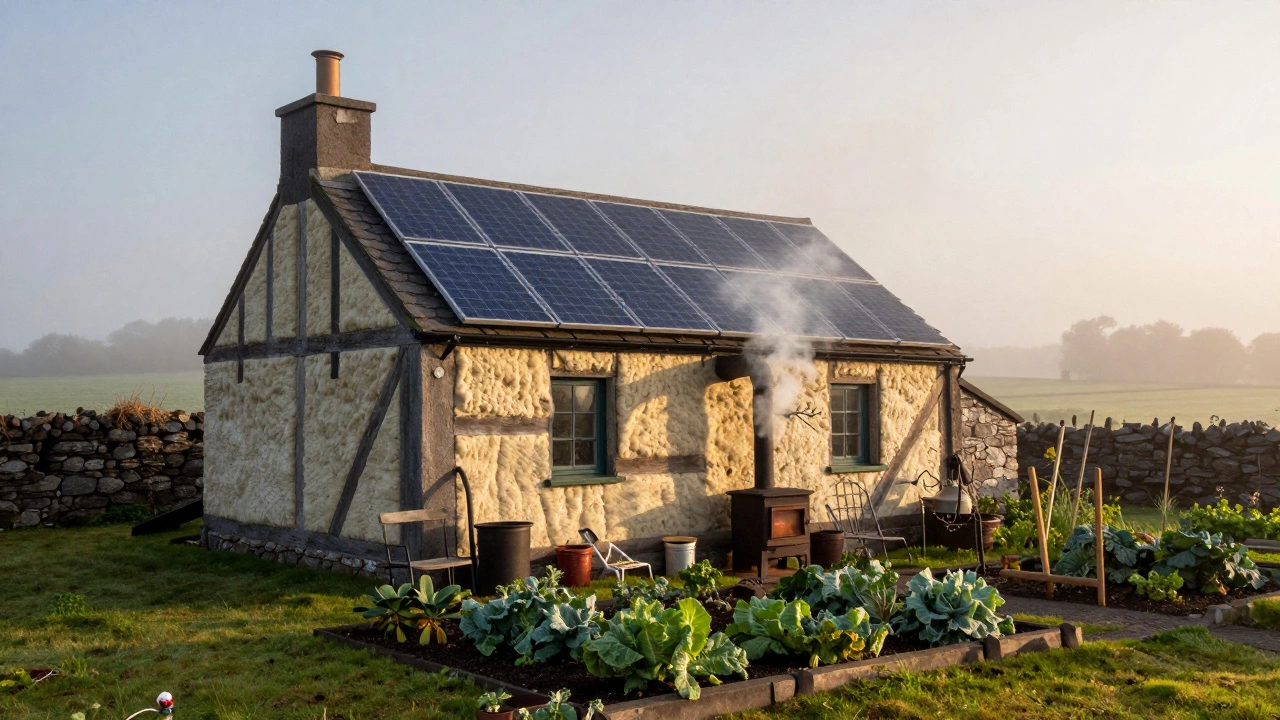
Not every small house in the woods is eco-friendly. A true eco friendly cottage uses renewable materials, generates its own power, collects rainwater, and composts waste. Think timber-frame walls insulated with sheep’s wool, solar panels on a south-facing roof, and a wood-burning stove fed by locally sourced logs. It’s not about aesthetics-it’s about systems.
In 2025, the average eco cottage in rural Ireland uses 70% less energy than a standard home. That’s not magic. It’s design. Passive solar heating, thermal mass walls, and triple-glazed windows keep warmth in without turning on the heater. Many now use heat pumps powered by green electricity. Some even grow food in attached greenhouses.
The Real Benefits: More Than Just Quiet
People who live in eco cottages don’t just save money-they gain control. Your energy bill? Often under €20 a month. Water? Collected from the roof, filtered, and reused. Waste? Separated into compost, recyclables, and landfill-none of it goes to a distant incinerator.
Health improves too. No synthetic carpets. No VOC-laden paints. Natural wood, clay plaster, and lime wash mean cleaner air. People with asthma and allergies often report fewer flare-ups. One couple in County Clare moved from Dublin and saw their child’s eczema clear up within six months.
And then there’s the rhythm. Waking up with the sun. Walking to the garden for eggs. Fixing a leaky roof yourself. These aren’t luxuries-they’re daily practices that rebuild your connection to the physical world. You stop buying things. You start making, mending, and growing.
The Hidden Costs You Won’t Find on Instagram
But here’s what nobody shows you: maintenance is relentless. A thatched roof needs replacing every 20-30 years. Stone walls crack in frost. Gutters clog with leaves. If you’re not handy-or willing to learn-you’ll pay €1,500 just to fix a leaking window frame.
Internet is patchy. Mobile signals die in valleys. Streaming Netflix? Forget it. You need a satellite dish or a 4G booster, both of which cost €800 upfront. Video calls with family? You’ll need to drive to the nearest village with Wi-Fi.
And isolation? Real. In winter, you might go days without seeing another person. Social events are rare. The nearest pub might be 8 kilometers away. If you’re someone who thrives on spontaneous coffee with friends or weekend concerts, this lifestyle will feel like exile.
Is It Affordable? The Numbers Don’t Lie
Buying a basic eco cottage in rural Ireland starts around €180,000. That’s less than a one-bedroom apartment in Dublin. But here’s the catch: you’ll likely need €40,000-€70,000 more for upgrades-solar panels, insulation, septic system, well drilling. A fully off-grid cottage with solar, battery storage, and rainwater harvesting can cost €250,000+.
Government grants help. The SEAI offers up to €5,500 for insulation and €3,500 for heat pumps. But you still need savings. And if you’re not employed full-time, getting a mortgage is hard. Many buyers pay cash or use self-build loans, which require detailed plans and proof of skills.
Running costs? Once set up, you’re looking at €1,000-€2,000 a year for fuel, maintenance, and taxes. Compare that to €12,000+ for a city apartment with heating, electricity, water, and rent.
Who Actually Thrives in a Cottage?
This lifestyle isn’t for everyone. It suits people who:
- Work remotely or run a small business (crafts, writing, consulting)
- Are physically active and enjoy outdoor work (gardening, wood chopping, repairs)
- Value independence over convenience
- Can handle long winters without burnout
- Don’t mind being the local oddball
It’s terrible for:
- Parents of young kids who need quick access to schools and pediatricians
- People who rely on public transport
- Those who can’t fix a dripping tap without calling someone
- Anyone who needs daily social interaction
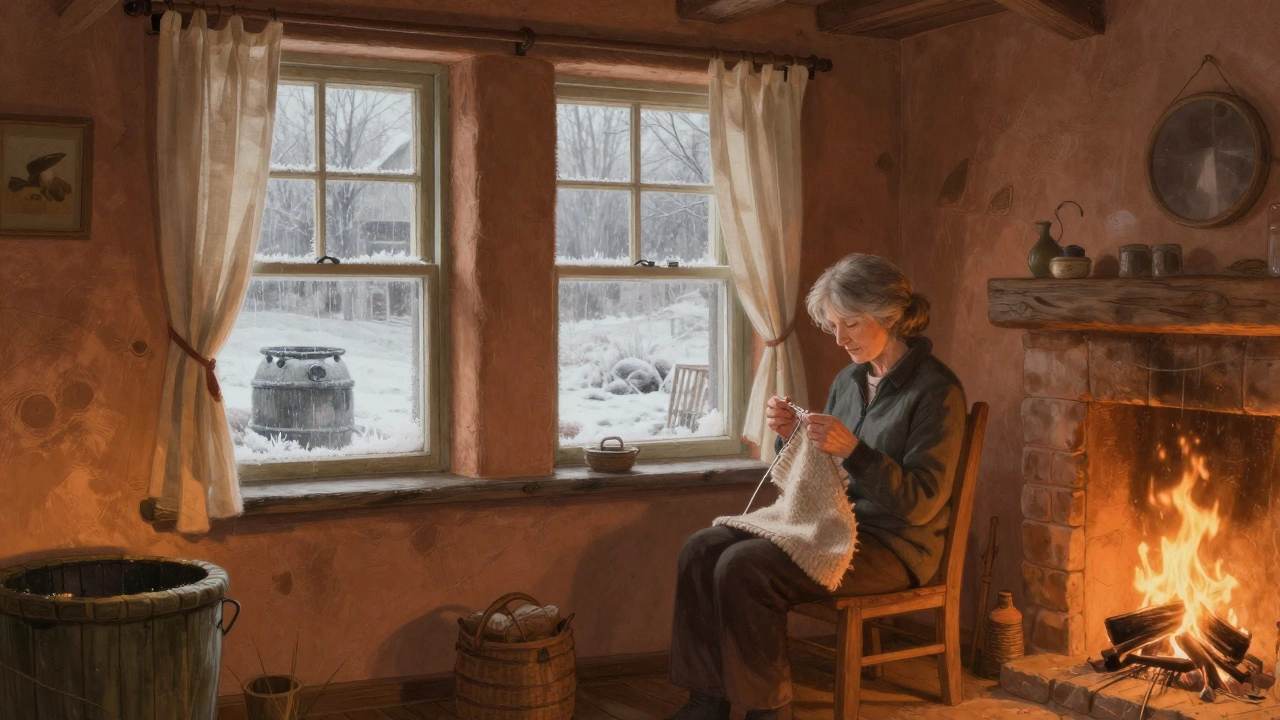
One woman in Donegal, 62, moved here after retiring from nursing. She says: "I used to work 12-hour shifts. Now I wake up, feed the chickens, knit by the fire, and sleep when it gets dark. I haven’t been to a doctor in three years. My body just… works better here."
What You Need Before You Sign Anything
If you’re serious, here’s your checklist:
- Visit in winter. Seriously. Summer looks perfect. Winter reveals the truth.
- Test the water. Get it tested for heavy metals and bacteria. Many wells fail.
- Check the access road. Is it paved? Who maintains it? Can a fire truck get through?
- Ask about planning permissions. Can you add a greenhouse? A shed? A second bedroom?
- Meet the neighbors. They’ll tell you what the agent won’t.
- Try living without fast internet for a week. If you panic, reconsider.
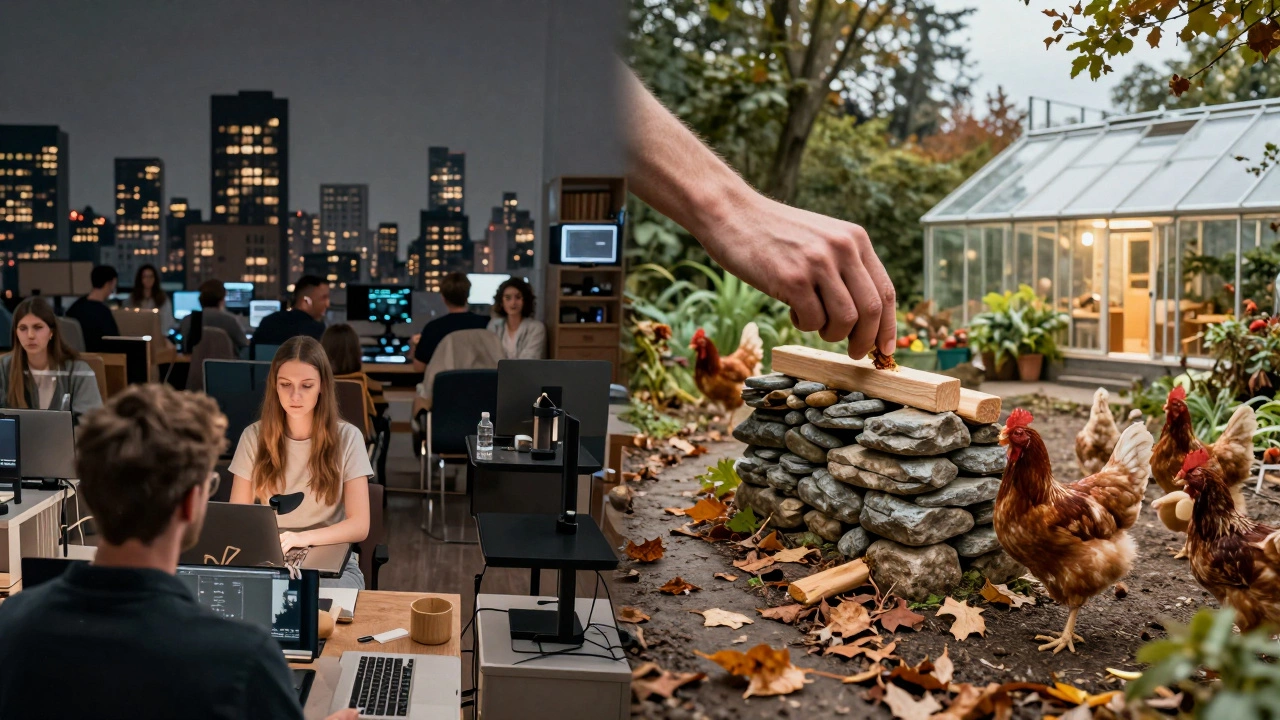
Don’t rush. Spend a month renting a cottage first. Many owners offer short-term stays. It’s the only way to know if you can live with silence, cold showers, and the sound of rain on a tin roof.
It’s Not a Retreat. It’s a Responsibility.
Living in an eco cottage isn’t about escaping modern life. It’s about building a better one. You’re not just choosing a house-you’re choosing a way of working, eating, and being. It demands more of you, but it gives back more too.
People who stick with it don’t talk about "downsizing." They talk about "coming home." Not to a place. To a rhythm. To a life that doesn’t drain you.
If you’re ready to stop renting your life and start building it-brick by brick, log by log-then yes. It’s a good idea.
Can you live off-grid in an eco cottage in Ireland?
Yes, but it’s not simple. You need solar panels with battery storage, a drilled well or spring, a composting toilet, and a wood-burning stove. Most off-grid cottages in Ireland use a mix of solar, wind, and backup diesel generators. The SEAI offers grants for renewable systems, but you still need €20,000-€40,000 upfront. Water rights and waste disposal rules vary by county, so check with your local authority before building.
Are eco cottages cheaper than apartments in the long run?
Absolutely-if you’re patient. Upfront costs are higher, but monthly bills drop to under €200. In Dublin, a one-bedroom apartment costs €1,800-€2,500 a month in rent alone. After 5-7 years, the savings cover the extra build cost. Plus, you own the land and structure. No landlord. No rent hikes.
Do eco cottages hold their value?
Better than most. In rural Ireland, eco cottages with solar, insulation, and good access are selling 20-30% faster than standard homes. Buyers are increasingly looking for low-energy homes, especially post-2025 energy tax changes. A certified Passive House cottage can fetch a premium. But if it’s poorly built or off-grid without permits, it’s hard to sell.
Can you work from home in a cottage?
Yes, if you’re flexible. Many digital nomads, writers, and freelancers work from cottages. But you need a reliable internet solution-4G boosters, satellite, or fiber if available. A dedicated workspace matters. Cold winters mean you’ll need good heating while working. Some use portable solar chargers and battery-powered laptops. It works-but it’s not plug-and-play like in an office.
What’s the biggest mistake people make?
Thinking it’s a holiday home. People buy cottages thinking they’ll escape the city for weekends. Then they realize maintenance never stops. Snow blocks the driveway. The septic tank fills. The wood stove needs tending every 4 hours. If you’re not prepared to live there full-time, you’ll end up with a costly, unused property. The best cottages are lived in, not visited.
If you’re considering this step, start small. Rent a cottage for a month. Live without Netflix. Cook over a wood stove. Walk to the well. See how you feel when the sun goes down. That’s the real test.