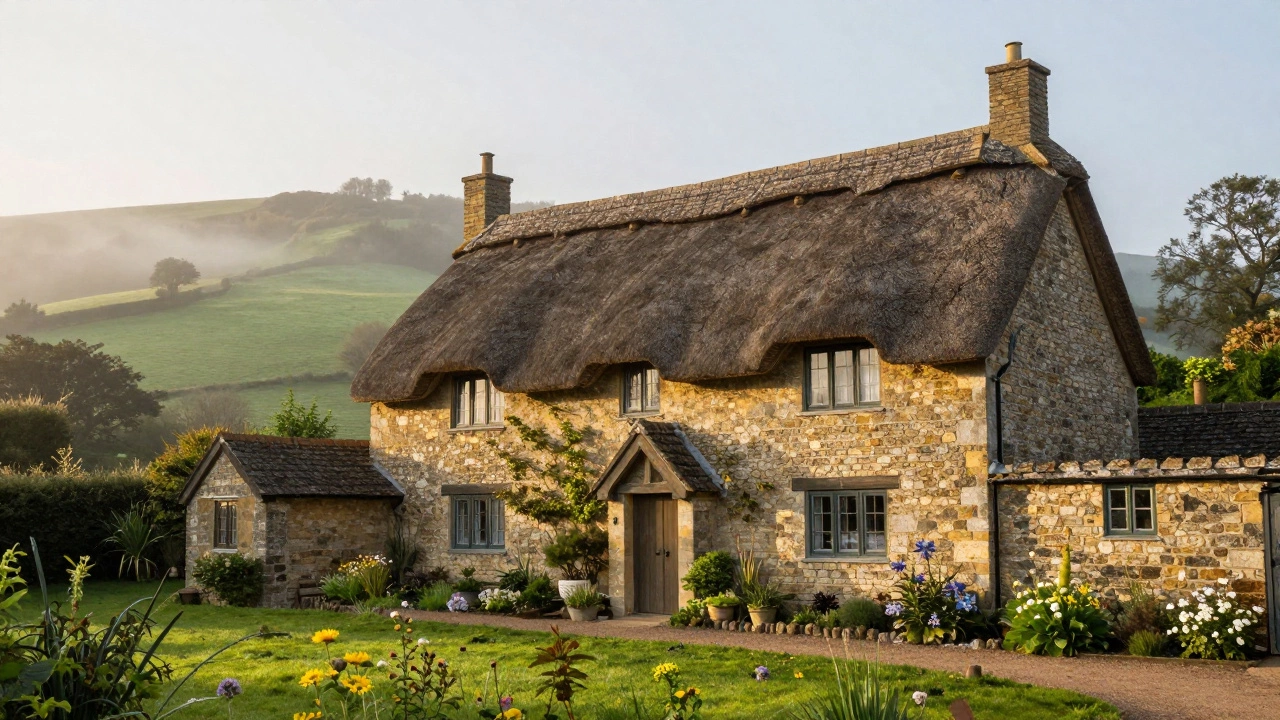
Cottage Life Compatibility Checker
Loading question...
Your Cottage Compatibility Score
Analysis
Detailed breakdown of your compatibility...
Key Takeaways for Future Cottage Owners
- Modern connectivity (Starlink, 5G) has made remote work from rural areas viable.
- Maintenance is significantly higher than in modern builds due to aging materials.
- Heating costs can be a shock unless you invest in modern insulation or sustainable energy.
- The lifestyle offers unmatched mental health benefits and a tighter connection to nature.
- Zoning laws and listed building statuses can limit how you modernize the interior.
The Digital Divide: Working from the Wilds
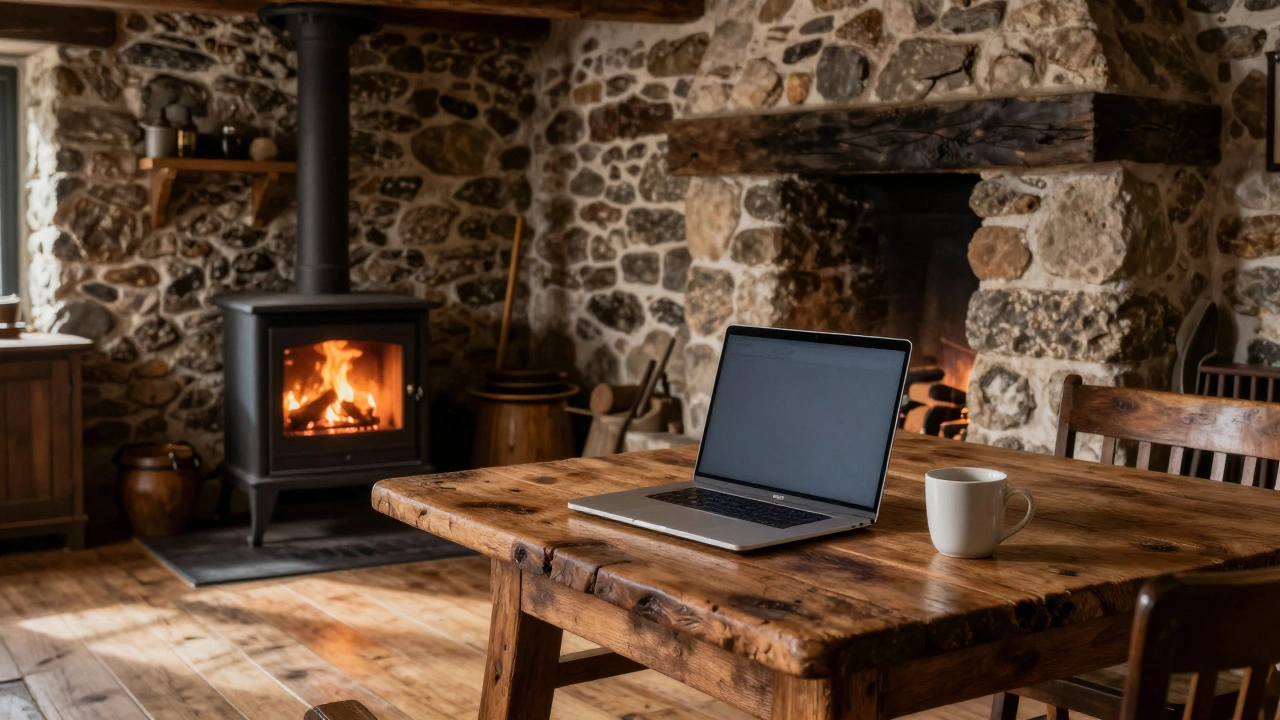
Ten years ago, moving to a cottage often meant giving up a high-paying corporate job. Today, that's rarely the case. The rise of Remote Work has decoupled our income from our zip code. However, "rural" doesn't always mean "connected." If you're planning to run a Zoom-heavy business from a 17th-century limestone house, you need to check the infrastructure first.
You'll likely encounter Satellite Internet, such as Starlink, which has revolutionized the way we live in "dead zones." While traditional cable might not reach your doorstep, low-earth orbit satellites now provide speeds that rival city fiber. But don't just trust the real estate agent when they say the "internet is fine." Ask for a speed test result from the actual living room. There's nothing more frustrating than discovering that the thick stone walls-which are great for keeping out the wind-act as a Faraday cage, killing your Wi-Fi signal the moment you move two rooms away.
The Reality of Maintenance and "Character"
In real estate listings, the word "character" is often code for "the floors are slanted and the windows leak." When you live in a cottage, you quickly realize that maintenance isn't a once-a-year event; it's a hobby. Traditional buildings use materials like Lime Mortar and thatch, which require specialized knowledge to repair. You can't just go to a big-box hardware store and buy a generic sealant for a 200-year-old wall; doing so could actually trap moisture and cause the walls to crumble.
Consider the heating. Many older cottages rely on Wood Burning Stoves. While these are incredibly romantic and provide a powerful heat source, they aren't efficient enough to be your only heat source in a harsh winter. You'll find yourself spending a lot of time sourcing seasoned hardwood and cleaning out ash. If you're moving from a modern apartment with central heating, the jump to managing your own thermal comfort is a steep learning curve.
| Feature | Modern Apartment | Rural Cottage |
|---|---|---|
| Insulation | High/Consistent | Variable/Often Poor |
| Maintenance | Low (Managed by HOA) | High (Owner Managed) |
| Noise Levels | High (Traffic/Neighbors) | Low (Nature/Wind) |
| Customization | Limited/Standardized | High/Unique (Subject to laws) |
| Connectivity | Instant/Fiber | Variable/Satellite |
The Legal Maze of Listed Buildings
If you're eyeing a cottage with a "Listed" status, be prepared for a relationship with your local planning office. A Listed Building is a structure officially recognized as being of special architectural or historic interest. This means you can't just knock down a wall to create an open-concept kitchen or swap out old wooden windows for double-glazing without permission.
This can feel restrictive, but it's also what protects the value of the property. If every cottage in a village was converted into a modern white box, the charm that drew you there would vanish. The trick is finding a balance. Many owners use "reversible" interventions-like freestanding furniture and high-quality rugs-to modernize the feel of a room without permanently altering the historic fabric of the building.
Sustainability and the Off-Grid Push
There is a growing movement toward Eco-Friendly Living in rural areas. Living in a cottage naturally pushes you toward a smaller footprint. You're more likely to start a vegetable garden, compost your waste, and be mindful of your energy use. However, making an old cottage truly sustainable is a challenge.
Installing Air Source Heat Pumps is a popular trend, but they require specific placement and installation methods to work effectively in older homes. Some owners are opting for hybrid systems-keeping the wood stove for peak winter and using a heat pump for a steady base temperature. Water is another factor; many rural cottages rely on Septic Tanks rather than city sewers. This means you have to be careful about what you flush and be prepared for the occasional (and unpleasant) maintenance visit to empty the tank.
Psychological Shift: The Silence and the Solitude
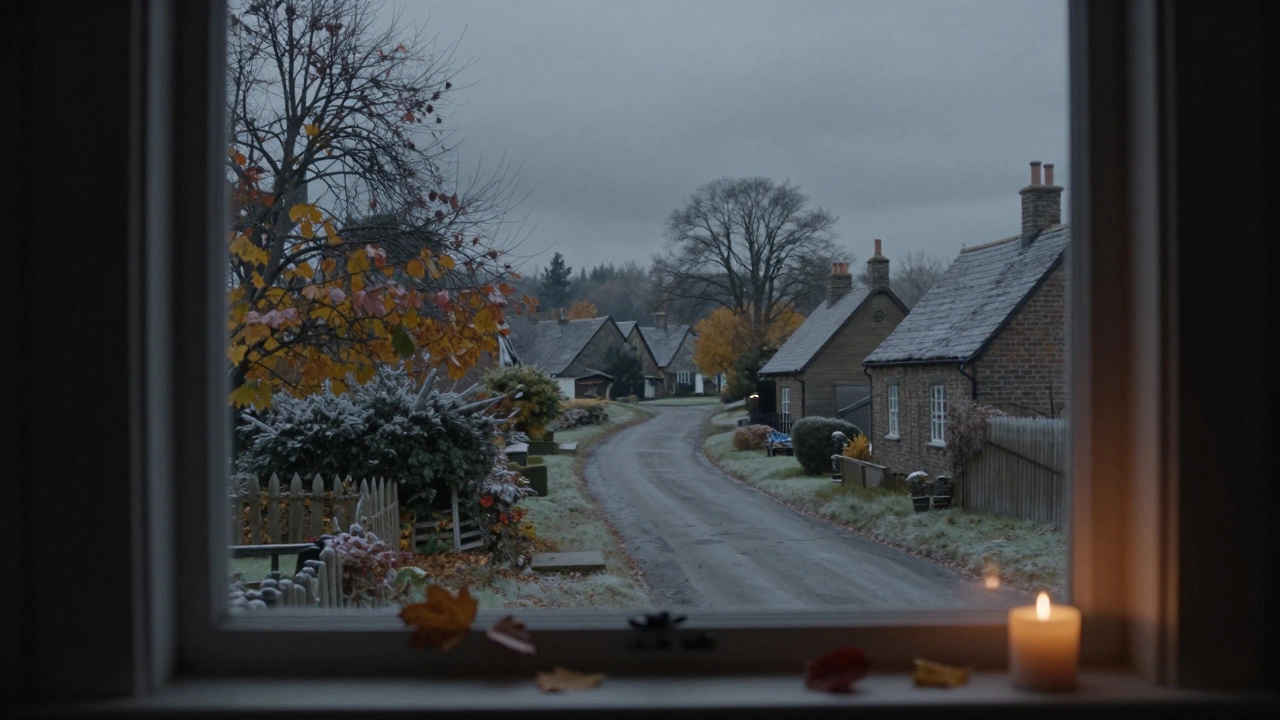
The most profound change isn't the plumbing or the internet-it's your brain. Moving to a rural cottage forces a deceleration of your internal clock. You start to notice the seasons more acutely. You'll realize that in November, the world becomes very quiet, and the distance between you and your nearest neighbor feels much larger than it does in July.
For some, this is a sanctuary. For others, it can lead to "rural isolation." Without the incidental social interactions of city life-the nod to the barista or the chatter in the elevator-you have to be proactive about your social life. You'll find that the local pub or the village shop becomes the hub of your social existence. Community ties in rural areas are often stronger and more complex than in cities; you aren't just a resident, you're part of a local ecosystem.
Is It Right for You? A Decision Guide
Before you sign the deed, ask yourself a few honest questions. Do you enjoy getting your hands dirty, or does the idea of spending a Saturday scrubbing algae off a stone porch sound like a nightmare? Are you comfortable with a house that "breathes" (meaning it might be drafty in some spots), or do you need a climate-controlled environment to feel at peace?
If you value autonomy, silence, and a tangible connection to history, a cottage is an incredible choice. If you rely on 15-minute grocery delivery and the constant buzz of a city, you might find the reality of rural life stifling. The key is to enter the experience with eyes wide open, acknowledging that the beauty of the cottage is inseparable from its demands.
Is it expensive to heat an old cottage?
Generally, yes. Old cottages often have single-pane windows and lack modern cavity wall insulation. Without upgrades, heating costs can be 30-50% higher than in a modern home. However, investing in sheep's wool insulation, high-quality draught proofing, and a modern biomass boiler can significantly reduce these costs.
Can I get fast internet in a rural cottage?
It's much easier now than it was five years ago. Low-earth orbit satellite services like Starlink provide high-speed internet to almost any location with a clear view of the sky. 5G coverage is also expanding into rural corridors, though it depends heavily on the local terrain.
What are the biggest maintenance risks for rural homes?
Damp is the primary enemy. Because many cottages are built from porous stone and lack damp-proof courses, moisture can seep in. Using breathable paints and lime plaster instead of modern gypsum or plastic-based paints is critical to prevent mold and structural decay.
Do I need special insurance for a cottage?
Yes, most standard policies aren't sufficient. You typically need "Buildings Insurance" that covers listed status, as the cost of replacing a roof with traditional thatch or hand-cut stone is vastly higher than using modern shingles. Ensure your policy covers "like-for-like" replacement of historic materials.
How do I deal with the lack of local amenities?
Planning is everything. Most rural dwellers rely on a "weekly shop" rather than daily trips. Learning to use online delivery services (where available) and building a strong relationship with your local village shop is the best way to bridge the gap between urban convenience and rural peace.
Next Steps for the Aspiring Cottage Owner
If you're serious about making the move, start with a "test drive." Rent a cottage in your target area for a full month during the winter. This is the only way to truly feel the cold, experience the isolation, and see if you actually enjoy the maintenance requirements. Once you're convinced, hire a surveyor who specializes in period properties-not just a general surveyor-to check for subsidence and damp. Finally, reach out to the local council to understand the specific constraints of the area, as rural planning laws can vary wildly from one village to the next.