Vacation Rental Type Selector
Answer a few questions about your ideal trip, and we'll tell you which Vrbo listing type matches your priorities.
Your Match: ...
Based on your needs, this type of property will provide the best experience.
Key Takeaways
- Beachfront: Direct access to the sand; no roads or one-way paths between you and the beach.
- Oceanfront: Direct view of the water, but you might have to cross a street or a dune to reach the sand.
- Vrbo Accuracy: Host labels aren't always regulated; always check the map and photos.
- Noise Factor: Beachfront properties are often louder due to foot traffic; oceanfront can be more secluded.
The Core Difference Between Beachfront and Oceanfront
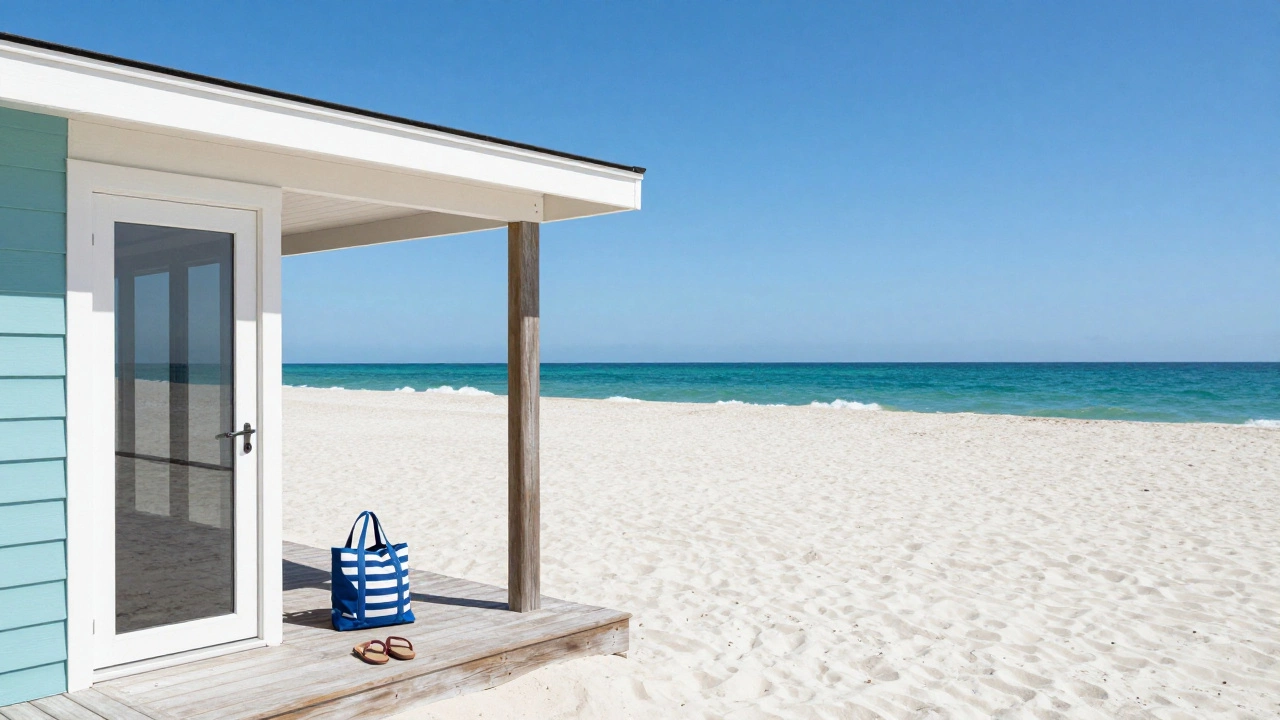
At its simplest, the difference is about access versus visibility. If a property is Beachfront is a property that sits directly on the beach with no other land or one-way obstructions between the home and the sand, you can literally step off your porch and feel the grit between your toes. There are no roads, no fences, and no public sidewalks in your way. It is the gold standard for those who want a "toes in the sand" experience.
On the other hand, Oceanfront is a property that faces the ocean, providing an unobstructed view of the water, but does not necessarily provide direct access to the beach. You have the view, and you have the sound of the waves, but you might be separated from the actual beach by a coastal road, a set of public stairs, or a protected dune system. Think of it this way: you can see the ocean, but you can't necessarily walk onto the beach without crossing something first.
Why Vrbo Labels Can Be Confusing
When you're browsing Vrbo, you're dealing with a peer-to-peer marketplace. Unlike a corporate hotel chain that has strict branding guidelines, Vrbo hosts are often individual homeowners. This means a host might list their home as "beachfront" because they are "on the beach" in a general sense, even if there's a narrow alleyway or a small road in the way. This creates a gap between the label and the reality.
For example, a home in the Florida Panhandle might be labeled beachfront, but because of local building codes and Coastal Management regulations, there might be a mandated 20-foot gap of sea oats and sand dunes that you are legally forbidden from walking across. In that case, the house is beachfront, but your actual access point might be a designated wooden boardwalk 50 yards away.
| Feature | Beachfront | Oceanfront |
|---|---|---|
| Direct Sand Access | Yes (Immediate) | Maybe (May require crossing road/path) |
| Water View | Guaranteed | Guaranteed |
| Privacy Level | Lower (Public beach traffic) | Higher (Buffer from beach crowds) |
| Price Point | Typically Highest | High, but slightly lower than direct access |
| Noise | High (People walking by) | Moderate (Mainly wind/waves) |
The Trade-offs: Which One Should You Book?
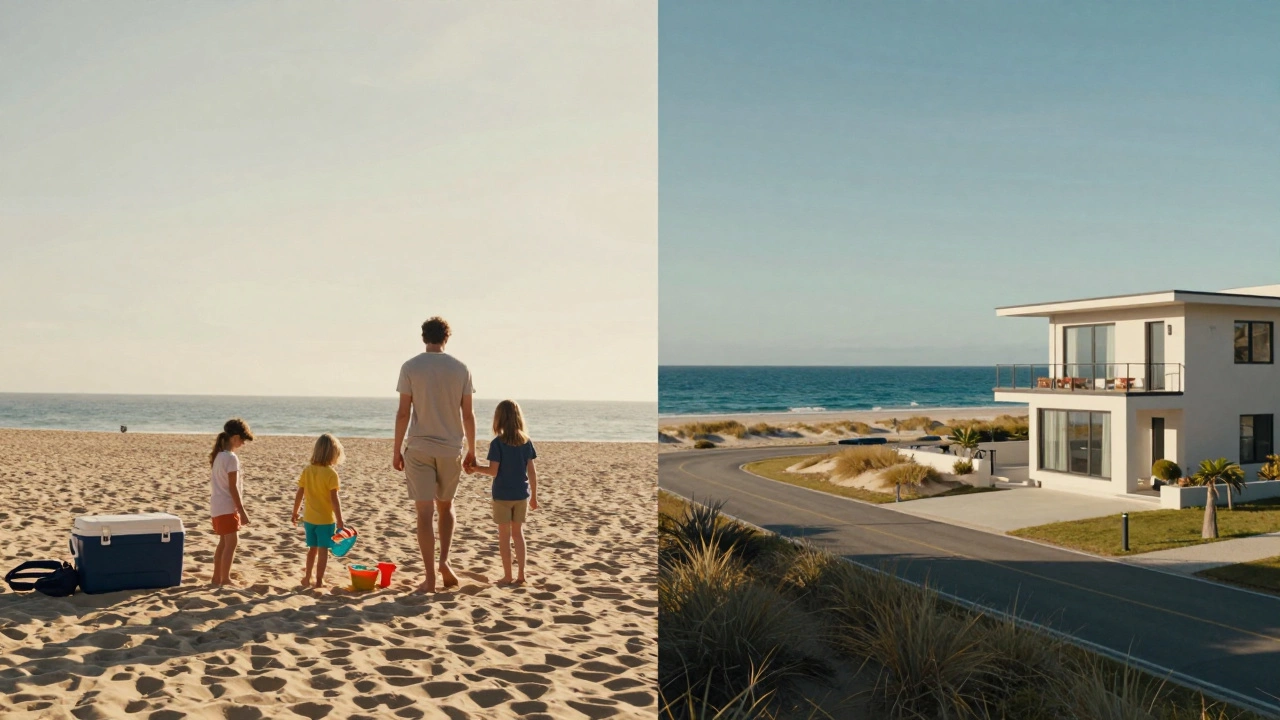
Depending on who you're traveling with, the "lesser" option might actually be the better choice. If you have toddlers and a mountain of gear-umbrellas, coolers, sand toys, and strollers-beachfront is a non-negotiable. Dragging a heavy cooler across a hot asphalt road in July is a recipe for a bad mood. Having the house directly on the sand means your "base camp" is only seconds away from your lounge chair.
However, if you're looking for a romantic getaway or a place to write a novel, oceanfront might be the winner. Beachfront properties are often subject to the "spectator effect." Because the house is right on the sand, people walking along the shore can see right into your yard or porch. An oceanfront property that is separated by a road or a dune often feels more like a private sanctuary. You get the calming psychological effect of the blue horizon without the feeling that the entire public beach is your neighbor.
Consider the Environmental Impact as well. Beachfront homes are on the front lines of storm surges and high tides. If you're booking during hurricane season or in an area prone to "king tides," beachfront properties are more likely to have restricted access or beach erosion issues that make the "beach" part of the property disappear entirely during your stay.
Pro Tips for Verifying Vrbo Listings
Since you can't always trust a single word in a title, you need to become a bit of a digital detective. Here is a checklist to ensure you get what you're paying for:
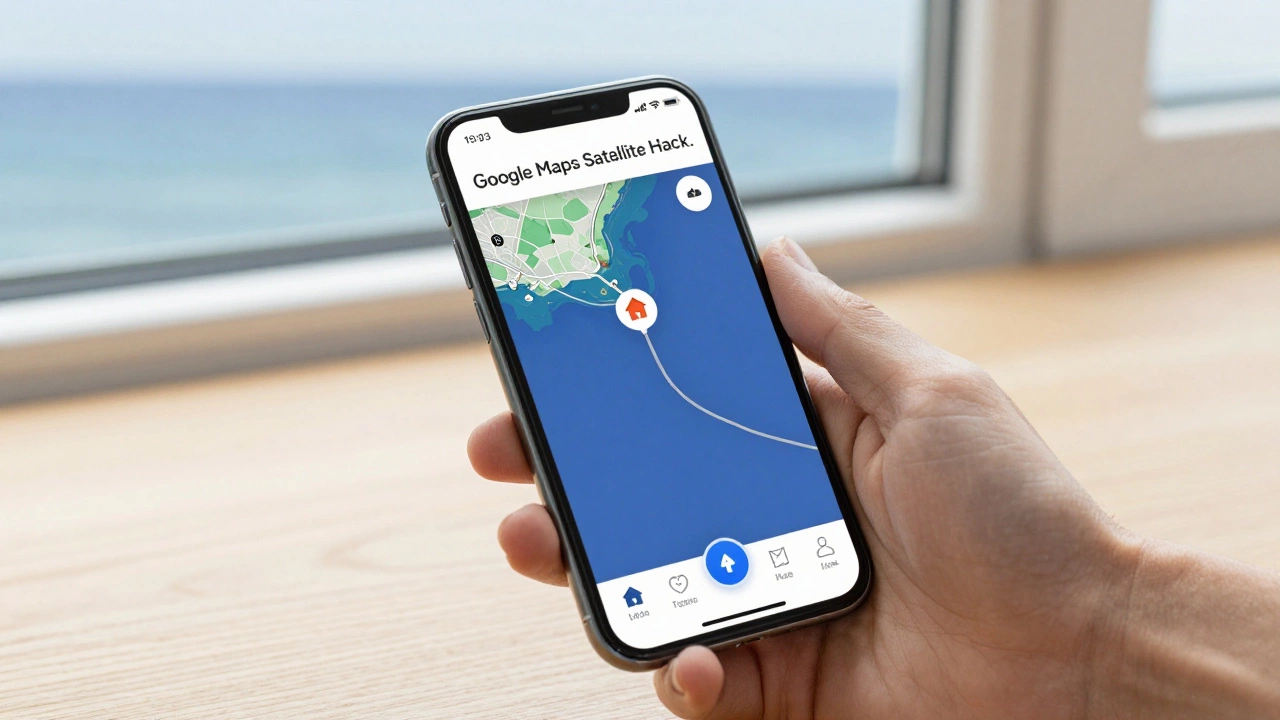
- The Google Maps Satellite Hack: Once you have the general location or the address, switch to satellite view. Look for the gap between the house and the water. Is there a gray line (road) or a brown strip (parking lot)? If yes, it's oceanfront, not beachfront.
- Scrutinize the Photos: Look for a photo of the view from the porch. Then, look for a photo of the beach. If there isn't a photo showing the transition from the porch to the sand, the host might be hiding a road.
- Read the "Bad" Reviews: Ignore the 5-star reviews for a moment. Search for keywords like "walk," "road," "distance," or "access." If a guest complains that they "had to cross the street to get to the beach," you've found your answer.
- Ask the Host Specifically: Don't ask "Is this beachfront?" (they'll say yes). Ask "Can I walk from the back door to the sand without crossing a public road or sidewalk?" This forces a specific yes/no answer.
Comparing Other Coastal Terms
While beachfront and oceanfront are the big two, you'll see other terms on Vrbo that can be just as tricky. For instance, Ocean View is much broader. A house can have an ocean view and be three miles inland, provided it's on a hill. If the listing says "Ocean View," assume you're getting a glimpse of the water, not a short walk to it.
Then there's Near the Beach. This is the most vague term of all. In some cases, "near" means a two-minute walk. In others, it means a ten-minute drive. If you see this term, always check the distance in miles or meters before booking.
Finally, some properties are listed as Waterfront. This is a catch-all. It could be the ocean, but it could also be a bay, a lake, or a river. If you want salt water and surfing, make sure the "waterfront" in question isn't actually a quiet marsh or a saltwater canal with no beach access at all.
Is beachfront always more expensive than oceanfront?
Generally, yes. Direct access to the sand is a premium feature because it offers maximum convenience. However, a luxury oceanfront villa with a private pool and high-end amenities might cost more than a basic beachfront cottage. The "beachfront" label usually commands a higher base price per square foot due to the land's location.
Can a property be both oceanfront and beachfront?
Yes. In fact, all beachfront properties are technically oceanfront because they face the ocean. However, not all oceanfront properties are beachfront. If a house is beachfront, it satisfies both conditions: it has the view and the direct access.
What should I do if the Vrbo property was listed as beachfront but has a road in the way?
If the description explicitly stated there was no road between the house and the beach, and that turns out to be false, you may have grounds for a partial refund or a claim through Vrbo's guest support. Take photos of the road and the distance you have to walk, and message the host immediately upon arrival to document the discrepancy.
Does "beachfront" mean I own the beach in front of the house?
Almost never. In the vast majority of coastal regions, the beach is public land. Even if you stay in a beachfront rental, you cannot stop other people from walking on the sand in front of your home, and you cannot block off the beach with fences or signs.
Which is better for families with small children?
Beachfront is significantly better for families. The ability to quickly return to the house for nap time, diaper changes, or a quick snack without having to pack up the entire gear set and cross a street makes the vacation much less stressful.
Next Steps for Your Search
If you're still unsure, try filtering your Vrbo search by "Amenities" and select "Beach Access." This doesn't guarantee beachfront status, but it narrows the field. If you're a high-budget traveler, look for "Private Beach" listings, though be warned-these are rare and usually found in very exclusive resorts or gated communities.
For those who prioritize peace and quiet over a 10-second walk to the water, look for properties that mention "Dune views." These are almost always oceanfront and provide a beautiful, natural barrier that keeps the crowds of the public beach from feeling too close to your living room.