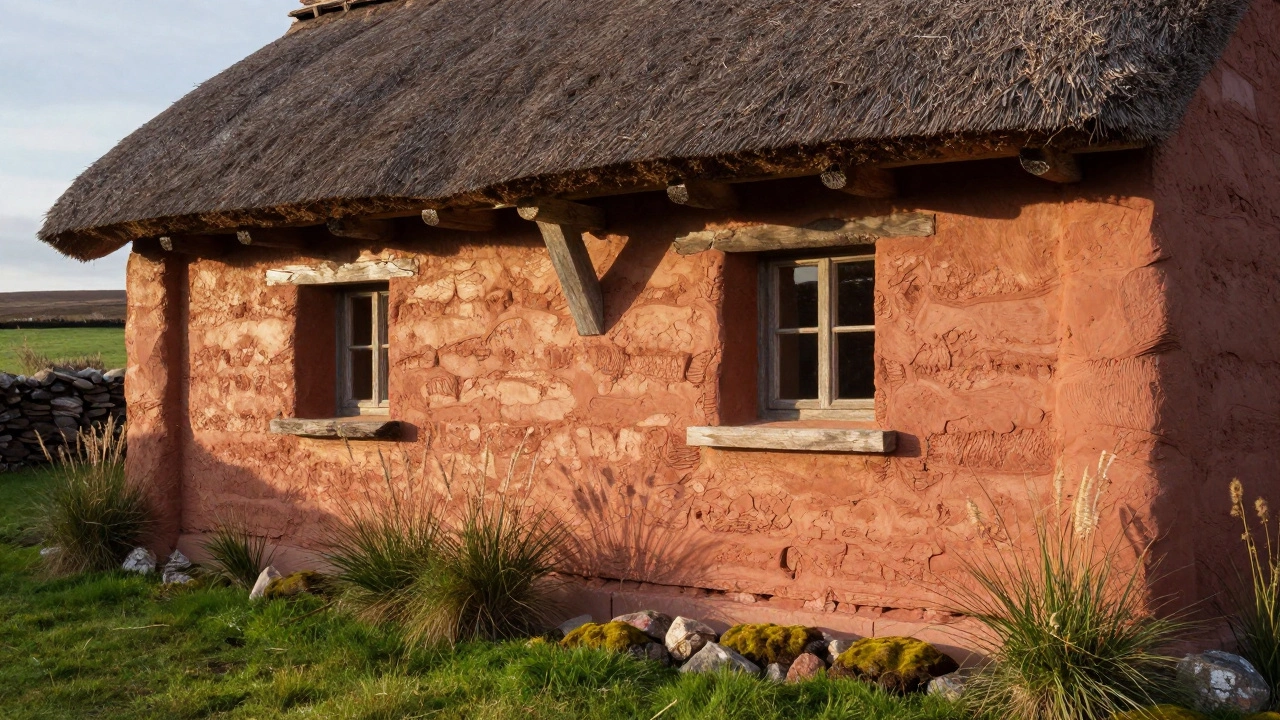
Rammed Earth Walls: Natural Building with Durability and Style
When you think of sustainable building, you might picture solar panels or recycled steel—but one of the oldest, most effective materials is right under your feet: rammed earth walls, a construction technique using compacted natural soil to form solid, load-bearing walls. Also known as earth walls or compressed earth blocks, this method has been used for thousands of years, from the Great Wall of China to modern eco-cottages in Devon. Today, it’s making a quiet comeback because it doesn’t just reduce carbon—it stores it.
Rammed earth walls are made by layering damp soil—often a mix of sand, clay, silt, and sometimes a bit of stabilizer like lime or cement—and then compressing it with manual or mechanical tampers until it hardens into a solid, rock-like structure. These walls can last over a thousand years if properly maintained. They’re fireproof, pest-resistant, and have incredible thermal mass: they absorb heat during the day and slowly release it at night, keeping interiors cool in summer and warm in winter. That’s why you’ll find them in many of the most eco-friendly homes, residences designed to minimize environmental impact through energy efficiency and natural materials in Norway, New Zealand, and right here in Croyde. Unlike concrete or steel, rammed earth doesn’t require heavy industrial processing. It’s local, low-tech, and low-impact.
What makes rammed earth even more compelling is how it connects to the land. The soil used often comes from the building site itself, cutting transport emissions and blending the structure into its surroundings. You don’t just live in a house made of earth—you live in the place it came from. That’s why green architecture, a design approach focused on sustainability, energy efficiency, and harmony with nature keeps returning to this technique. It’s not just about being eco-friendly—it’s about being rooted. Many of the sustainable building, construction practices that reduce environmental harm through material choice, energy use, and waste reduction projects we feature use rammed earth as a core element, not just a trend. You’ll see it in cottages that feel like they’ve grown from the ground, not been placed on top of it.
And it’s not just about the walls. Rammed earth works with other green systems—passive solar design, rainwater harvesting, natural ventilation—to create homes that need almost no mechanical heating or cooling. That’s the kind of efficiency you won’t find in a standard hotel room. It’s the reason why the most thoughtful eco-lodges and luxury glamping sites are choosing this method. You’re not just getting a unique look—you’re getting a building that breathes, regulates itself, and lasts. Below, you’ll find real examples of how these walls are used in coastal retreats, what they cost, and why they’re becoming a quiet standard for those who want to live well without leaving a heavy footprint.