The Most Eco‑Friendly Home: Design, Materials & Smart Strategies
Explore the definition, design tricks, green materials and tech that make a home truly eco‑friendly, plus a checklist and real‑world example.
View MoreWhen talking about Zero‑Carbon Cottage, a dwelling that produces no net carbon emissions through design, materials, and energy use. Also known as carbon‑neutral cottage, it blends traditional cottage charm with modern sustainability. A zero‑carbon cottage requires renewable energy sources, high‑performance insulation, and careful site planning. It encompasses concepts like eco‑friendly cottage, a cottage built or retrofitted to minimize environmental impact, aligns with sustainable living, a lifestyle that reduces resource consumption and waste, and often follows passive house, a building standard that achieves ultra‑low energy use through airtightness and heat‑recovering ventilation. The result is a home that lets you enjoy coastal views without adding to climate change.
One of the core attributes of a zero‑carbon cottage is its reliance on renewable energy, energy generated from sources like solar, wind, or hydro that are naturally replenished. Solar PV panels on the roof can cover most electricity needs, while solar‑thermal collectors provide hot water. In windy coastal locations, small turbine installations add extra power, and battery storage smooths out supply gaps. By pairing renewable energy with a passive‑house envelope, the cottage often needs no supplemental heating, which drives the carbon‑neutral outcome.
First, insulation quality matters. High‑R‑value walls, loft, and floors keep indoor temperatures stable, cutting the need for active heating. Second, airtight construction and heat‑recovery ventilation (HRV) maintain fresh air without losing heat. Third, water efficiency is built in: low‑flow fixtures, rainwater harvesting, and grey‑water recycling shorten the environmental footprint. Finally, material choice matters; reclaimed timber, low‑embodied‑carbon concrete, and locally sourced stone reduce the carbon locked in the building itself.
Design also ties into the local context. A zero‑carbon cottage on the Croyde coast leverages natural breezes for passive cooling in summer, and a south‑facing orientation maximizes solar gain in winter. Landscape planning with native plants cuts irrigation needs, while shades like pergolas or deciduous trees provide summer relief without blocking winter sun. These site‑specific strategies illustrate how sustainable living isn’t a one‑size‑fits‑all checklist but a collection of adaptable principles.
Cost is another common concern, but the long‑term savings often outweigh the upfront spend. A well‑designed zero‑carbon cottage can slash utility bills to near zero, and many UK schemes offer grants for renewable installations. Moreover, low‑maintenance materials and systems reduce ongoing upkeep, making the cottage a smart financial choice for families, couples, or solo travelers looking for a long‑term escape.
People choosing a zero‑carbon cottage usually value health and comfort as much as environmental impact. Better indoor air quality, stable temperatures, and natural light improve wellbeing. The cottage’s compact footprint also encourages a minimalist lifestyle, which many find refreshing after city living. Whether you’re planning a holiday stay or a permanent move, these benefits make the zero‑carbon cottage a compelling option.
Below you’ll find a curated selection of articles that dig deeper into each of these aspects. From definitions of what truly counts as a cottage to guides on sustainable locations and passive‑house specifics, the posts cover the full spectrum of eco‑friendly coastal living. Dive in to discover practical tips, real‑world examples, and the latest trends shaping zero‑carbon cottage design.
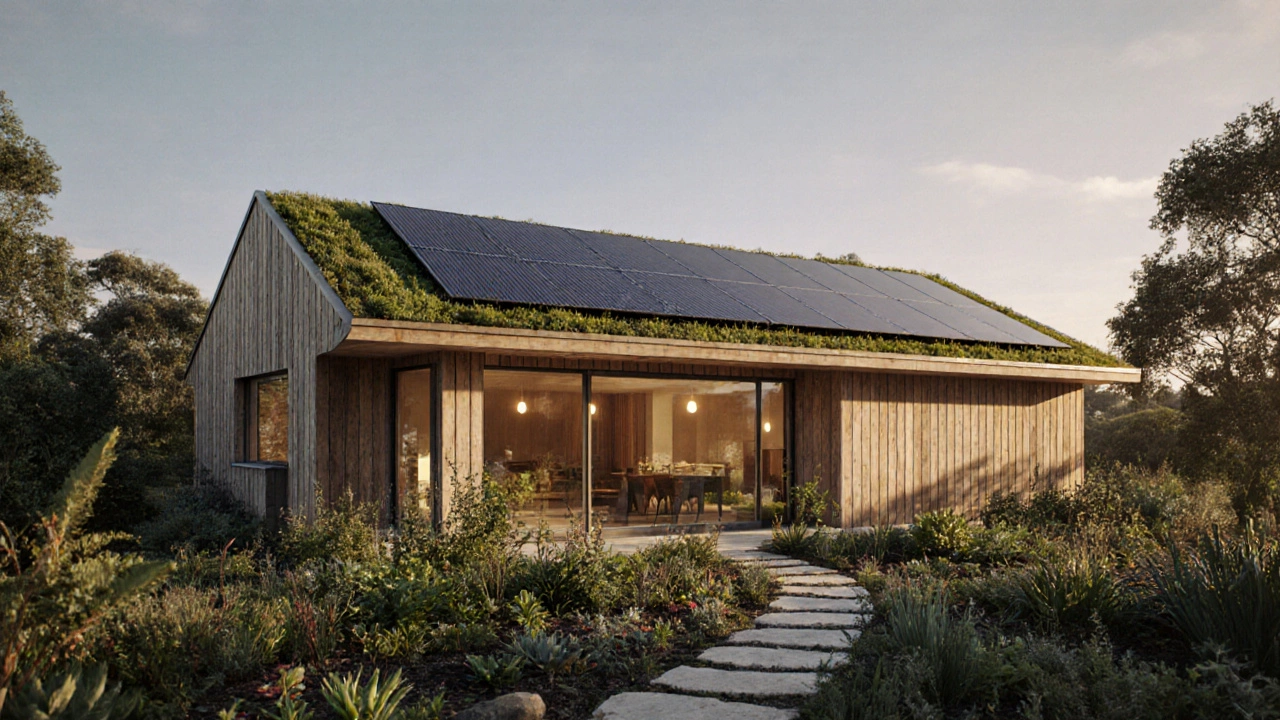
Explore the definition, design tricks, green materials and tech that make a home truly eco‑friendly, plus a checklist and real‑world example.
View More