Self-Catering vs. Hotel Cost Calculator
Trip Details
Cost Breakdown
Hotel Stay
Self-Catered
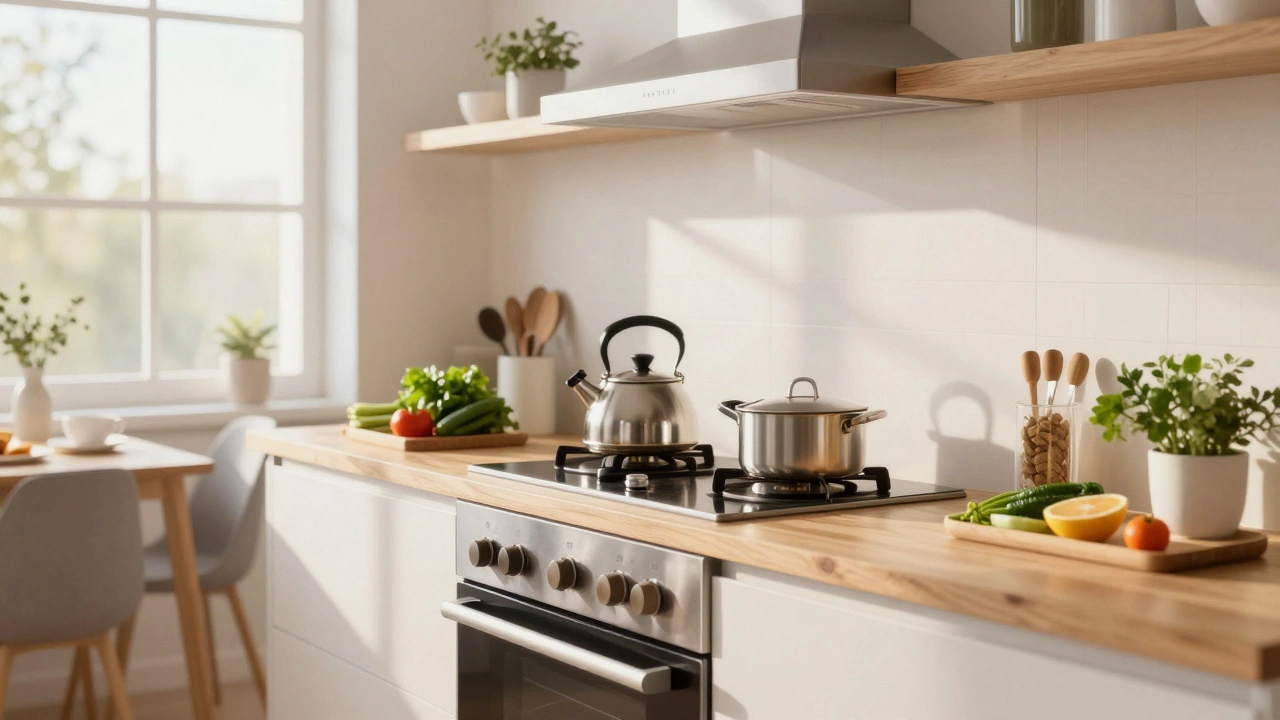
You walk into the property, unlock the door, and find a kitchen fully stocked with pots, pans, and a kettle. There is no front desk waiting for you, no room service menu on the nightstand, and no daily housekeeping staff knocking at nine in the morning. This is the essence of self-catered residences. Unlike traditional hotels where services are bundled into your stay, these properties hand over the keys-and the responsibility-to you.
In 2026, the travel landscape has shifted dramatically. Travelers are increasingly rejecting the rigid schedules of conventional hospitality in favor of autonomy, space, and authenticity. Whether you are planning a family reunion in the countryside or a solo retreat in the city, understanding what self-catered accommodations offer can save you money and significantly improve your experience. But what exactly does it mean to book a self-catered residence, and is it right for your next trip?
The Definition: More Than Just a Bed
At its core, a self-catered residence is a type of short-term rental accommodation that provides guests with the facilities to prepare their own meals and manage their own domestic needs during their stay. While hotels focus on providing services-breakfast buffets, concierge assistance, laundry pickup-self-catered properties focus on providing infrastructure.
The key differentiator is the kitchen. A true self-catered unit must have a functional kitchenette or full kitchen equipped with cooking appliances (stove, oven, microwave), refrigeration, and basic cookware. Without these amenities, the property is merely a serviced apartment or a hotel room, not a self-catered residence. This distinction matters because it fundamentally changes how you live while traveling. You are not just sleeping there; you are living there.
This model spans various property types. It includes:
- Holiday Cottages: Standalone homes, often in rural or scenic locations, offering privacy and space.
- Apartment Rentals: Urban flats rented out on a nightly or weekly basis, similar to Airbnb listings.
- Villas: Larger properties, often with private pools, suitable for groups or families.
- Cabins and Lodges: Smaller, often rustic structures located near nature reserves or forests.
The common thread is independence. You control the thermostat, the meal times, and the cleanliness schedule. For many travelers, this freedom is worth more than the convenience of having someone else make the bed.
Why Choose Self-Catering Over Hotels?
The decision between a hotel and a self-catered home usually comes down to three factors: budget, lifestyle, and group dynamics. Let’s break down why millions of travelers are switching sides.
1. Cost Efficiency for Groups and Families
If you are traveling with a partner, a single hotel room might suffice. But add two children and a grandparent, and the math changes quickly. Booking multiple hotel rooms or a large suite can cost upwards of $500-$800 per night depending on the location. A self-catered cottage or villa with three bedrooms and a living area might cost the same or less. When you factor in food costs, the savings become even more dramatic. Eating out for every meal is expensive. Cooking breakfast, lunch, and dinner in-house can cut food expenses by 50% or more.
2. Dietary Control and Health
Hotels are improving their menus, but they still struggle to cater to specific dietary needs without extra charge or limited options. If you are gluten-free, vegan, keto, or simply prefer fresh, local ingredients, a self-catered residence puts you in the driver’s seat. You can visit local markets, buy fresh produce, and cook exactly what you want. This is particularly valuable for families with young children who need regular, familiar meals.
3. Space and Privacy
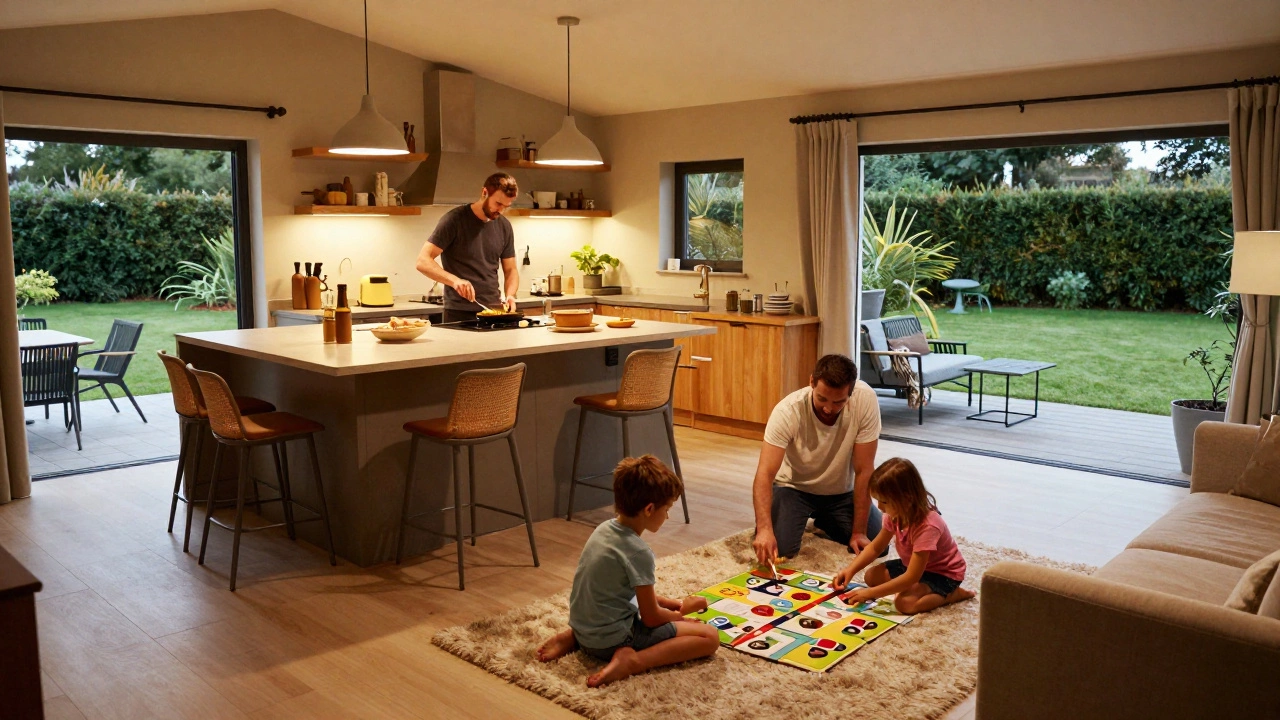
Hotel rooms are designed for efficiency, not comfort. They are small, enclosed boxes. Self-catered properties offer separate living areas, dining spaces, and often outdoor spaces like patios or gardens. You can spread out. You can host a movie night in the living room without disturbing neighbors. You can wake up at 7 AM or 11 AM without worrying about checkout pressures or noise complaints from thin walls.
4. Local Immersion
Staying in a residential neighborhood rather than a tourist district allows you to experience the destination like a local. You shop at the corner grocery store, interact with neighbors, and see the community outside of peak tourist hours. This immersion is harder to achieve when staying in an isolated hotel resort.
Who Should Avoid Self-Catered Accommodations?
While self-catering offers many benefits, it is not the perfect solution for everyone. Here are scenarios where a traditional hotel or serviced apartment might be a better fit:
- Short Stays (1-2 Nights): If you are only staying for a weekend, the time spent unpacking groceries, cooking, and cleaning up may outweigh the benefits. Hotels provide immediate convenience.
- Luxury Seekers Who Hate Chores: Some travelers view dishwashing as a chore, not a choice. If you expect daily housekeeping, turndown service, and room service, self-catering will feel like work.
- Business Travelers Needing Services: If you need ironing services, late-night snacks delivered to your room, or a business center nearby, hotels are still superior.
- Solo Travelers Seeking Social Interaction: Hotels often have lobbies, bars, and organized events that facilitate meeting other travelers. Self-catered units are private and isolated by design.
What to Expect: Amenities and Standards
One of the biggest misconceptions about self-catered residences is that they are bare-bones or poorly maintained. In reality, the market has professionalized significantly. High-quality self-catered properties now rival hotels in terms of comfort and technology.
| Amenity Category | Traditional Hotel | Self-Catered Residence |
|---|---|---|
| Kitchen Facilities | Mini-fridge, coffee maker (limited) | Full kitchen: stove, oven, fridge, dishwasher, cookware |
| Housekeeping | Daily cleaning, towel replacement | Pre-arrival clean only; guest manages during stay |
| Check-in Process | Front desk, ID verification, credit card hold | Self-check-in via lockbox, keypad, or smart lock |
| Laundry | Paid service or shared laundry room | In-unit washer/dryer (common in longer stays) |
| Wi-Fi & Entertainment | Standard Wi-Fi, cable TV | High-speed Wi-Fi, streaming services (Netflix, etc.) |
| Privacy | Shared hallways, elevators, public areas | Private entrance, dedicated living space |
When booking, always check the amenity list carefully. Not all "kitchens" are created equal. Some may lack a microwave or proper utensils. Look for reviews that mention the quality of the bedding, the water pressure, and the accuracy of the listing photos. Platforms like Airbnb, Vrbo, and Booking.com have improved their verification processes, but due diligence is still required.
Tips for a Successful Self-Catered Stay
To get the most out of your self-catered experience, follow these practical tips:
- Read the House Manual: Most hosts provide a digital or physical guidebook with Wi-Fi passwords, appliance instructions, and local recommendations. Read it before you arrive.
- Plan Your First Meal: Decide whether you will cook immediately or eat out on the first night. If cooking, identify the nearest grocery store upon arrival.
- Respect the Checkout Time: Unlike hotels, self-catered properties often require you to strip beds, load the dishwasher, and take out trash. Failing to do so can result in hefty cleaning fees.
- Communicate with the Host: If something isn’t working (e.g., the oven won’t heat), contact the host immediately. They cannot fix it if they don’t know there’s a problem.
- Check for Hidden Costs: Some properties charge extra for cleaning, utilities, or parking. Ensure these are included in the total price before booking.
The Future of Self-Catered Living
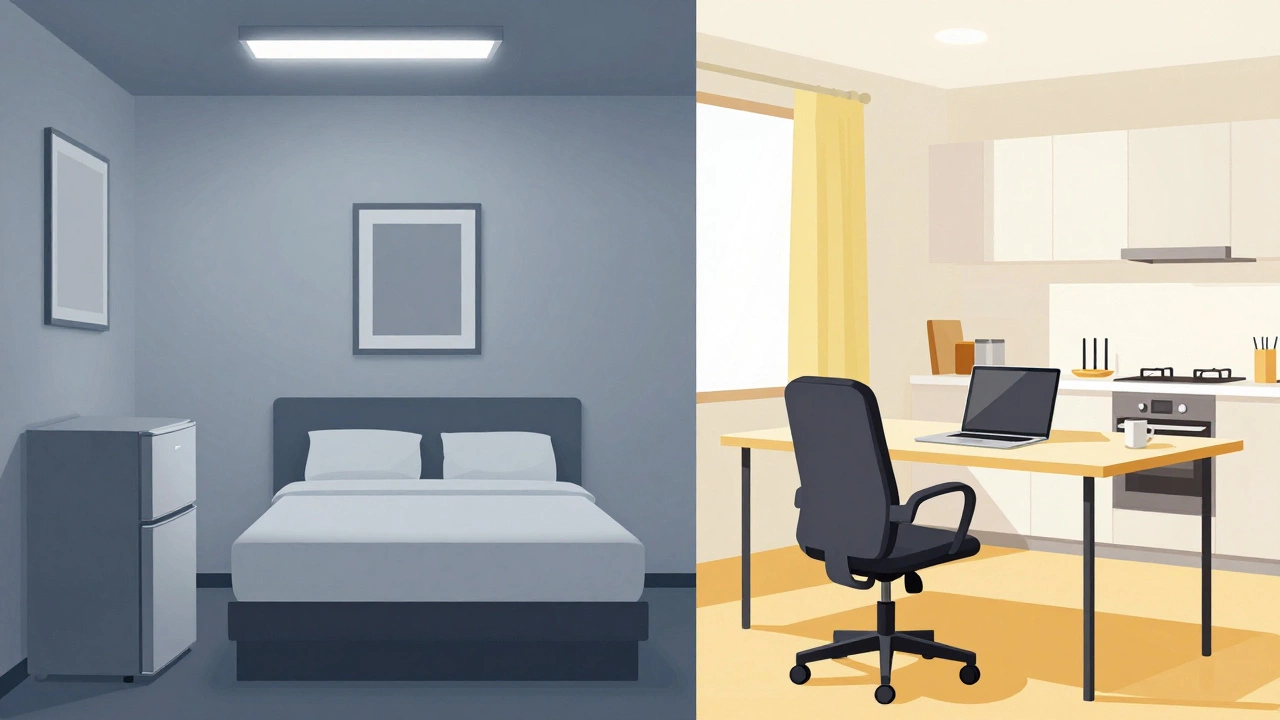
As remote work becomes more normalized, the line between vacation and living is blurring. "Workations"-combining work and vacation-are driving demand for self-catered residences with reliable high-speed internet and dedicated workspaces. Properties that offer ergonomic chairs, good lighting, and quiet environments are seeing higher occupancy rates.
Additionally, sustainability is a growing concern. Many self-catered owners are investing in eco-friendly features like solar panels, rainwater harvesting, and energy-efficient appliances. Guests appreciate the ability to reduce their carbon footprint by washing clothes in-unit instead of using hotel laundries, which consume significant water and energy.
Are self-catered residences cheaper than hotels?
Not always, but they often are for groups and families. For a single traveler, a hotel might be cheaper due to economies of scale. However, when you account for food costs, self-catering saves money because you avoid paying for restaurant markups and hotel minibars. For stays longer than three nights, self-catered properties usually offer weekly discounts that make them significantly more affordable.
Do I need to clean the property before leaving?
Yes, typically. Most self-catered rentals require guests to perform basic cleanup tasks such as taking out the trash, loading and starting the dishwasher, and stripping the beds. Professional cleaners then do a deep clean after you leave. Failure to follow these instructions can result in additional fees ranging from $50 to $200.
Is self-check-in secure?
Yes, modern self-check-in methods are highly secure. Smart locks with unique codes, key safes with PINs, and keyless entry systems are standard. These methods eliminate the risk of sharing keys with strangers and allow for flexible arrival times, which is ideal for late-night flights or early morning arrivals.
Can I use self-catered residences for business trips?
Absolutely. Many professionals prefer self-catered apartments for extended business trips because they offer a workspace, kitchen for healthy meals, and a more comfortable environment than a cramped hotel room. Just ensure the property has high-speed Wi-Fi and a dedicated desk area.
What happens if something breaks during my stay?
You should contact the host or property manager immediately through the booking platform. Reputable hosts provide emergency contact numbers for issues like plumbing leaks, heating failures, or electrical problems. They may send a maintenance person or provide instructions for minor fixes. Always document any issues with photos to protect yourself from potential damage claims.