
All-Inclusive Hotel Cost Calculator
Your Trip Details
All-Inclusive Package
Your Savings Analysis
Everyone talks about the perks of all-inclusive hotels: unlimited food, drinks, and activities bundled into one price. But what no one tells you upfront? These resorts come with real trade-offs that can turn your dream vacation into a frustrating experience. If you’ve ever felt trapped, overstimulated, or just plain ripped off at an all-inclusive resort, you’re not alone. Let’s cut through the marketing hype and look at the real downsides.
You’re stuck with the same food, every day
Imagine eating buffet-style pasta for breakfast, grilled chicken for lunch, and more pasta for dinner-seven days in a row. That’s the reality for most all-inclusive guests. The food is designed to appeal to the broadest audience, not to satisfy real taste buds. You won’t find local specialties, fresh seafood from nearby waters, or authentic regional dishes. Instead, you get standardized, mass-produced meals that taste like they came from a catering truck.
One couple from Manchester told me they ate the same five main courses on rotation during their week in Cancún. They tried to ask for something different, but the staff shrugged. "It’s all-inclusive, sir. We don’t do custom orders." When you’re paying over $300 a night, you expect variety. You don’t get it.
Drinks are watered down or low quality
"All-you-can-drink" sounds amazing-until you taste the rum. Most all-inclusive resorts use the cheapest liquor they can get their hands on. The cocktails? Often mixed with cheap mixers, artificial flavors, and too much ice. I’ve had margaritas that tasted like sweetened cleaning fluid. Beer is usually mass-market brands you can buy for half the price back home.
Some resorts even serve "premium" drinks behind a curtain-literally. You have to pay extra for real tequila, imported wine, or craft beer. That’s not all-inclusive. That’s bait-and-switch. And don’t expect your favorite brand. If you’re loyal to a specific whiskey or gin, you’ll be out of luck.
Everything feels crowded and impersonal
All-inclusive resorts are built to pack in as many guests as possible. You’ll be sharing pools, beaches, and restaurants with hundreds of strangers. Lines for food start before 7 a.m. The pool chairs are claimed by towels at sunrise. Kids scream on the water slides. Couples argue over the last sunbed.
There’s no quiet corner. No privacy. No sense of escape. I stayed at one resort in the Dominican Republic where the staff played the same reggaeton playlist on loop for 14 hours a day. You can’t escape it. Even in your room, the noise from the next suite bleeds through the walls. If you’re looking for peace, this isn’t it.
You’re pressured to spend more
Just because it’s "all-inclusive" doesn’t mean it’s truly all-included. Most resorts have hidden costs. Spa treatments? Extra. Snorkeling tours? Extra. Wi-Fi? Extra. Even tipping the staff is often expected, even though it’s built into the price. Some places even charge for using the safe, or for towels at the beach.
And then there’s the upselling. Staff will constantly push you toward the "premium" restaurant, the "exclusive" bar, or the "VIP" beach section. They know you paid a lot. They know you’re not going to leave. So they keep asking: "Would you like to upgrade?" It’s exhausting. You didn’t come here to be sold to 24/7.
You’re cut off from the real culture
All-inclusive resorts are designed to keep you inside their walls. The whole point? To make you feel like you’re on vacation without ever having to step outside. But that means you miss the point of traveling.
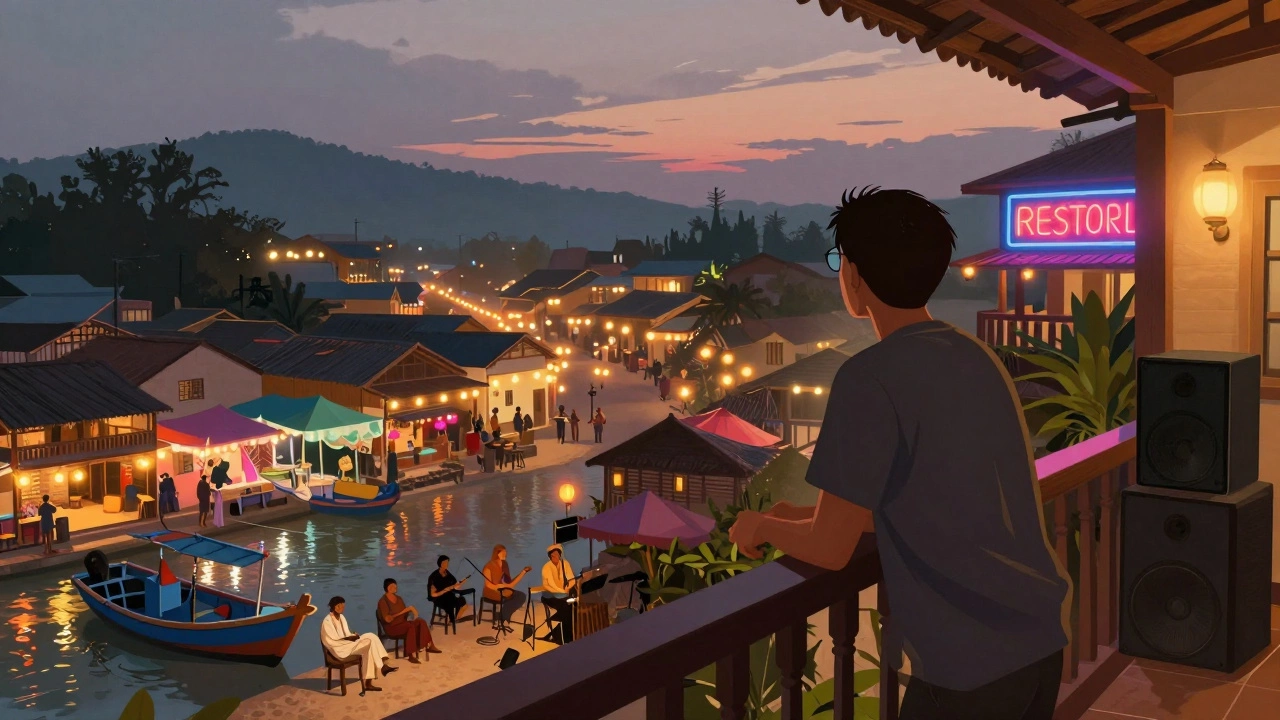
You won’t eat at a local taco stand. You won’t chat with a fisherman on the pier. You won’t hear the real music, see the street art, or taste the regional spices. The resort creates a bubble. A fake version of the destination. You leave with photos of a beach you didn’t really explore, and zero connection to the place you paid to visit.
One traveler from Toronto told me she didn’t leave the resort for four days. When she finally did, she was shocked by how different the town looked-cleaner, quieter, more alive. She bought a handmade necklace from a local artisan for $8. It meant more than all the free cocktails she drank.
There’s no flexibility or freedom
At a regular hotel, you decide when to eat, where to go, what to do. At an all-inclusive? Your schedule is controlled by the resort’s timetable. Breakfast is 7-10 a.m. Lunch is 12-3 p.m. Dinner is 6-9 p.m. Miss the window? Too bad. You’re out of luck.
Want to eat at 8 p.m.? The main restaurant is closed. Want to grab a snack at 11 p.m.? The snack bar is locked. Want to go out for dinner at a real restaurant in town? You’ll have to pay for a taxi, and then pay again to get back. There’s no spontaneity. No freedom. You’re on a schedule you didn’t choose.

The staff are overworked and underpaid
Behind the smiling faces and "welcome back, sir!" greetings are people working 12-hour shifts, seven days a week. Many earn less than $3 an hour. They’re expected to serve hundreds of guests daily, clean up after messy parties, and smile through complaints about watered-down drinks.
When you treat people like part of the furniture, they stop caring. You’ll notice it in small ways: slow service, forgetful staff, empty ice buckets, towels that never get replaced. The resort system is designed to maximize profit, not guest satisfaction. The staff are the ones who pay the price-and you’re the one who feels it.
You’re paying for things you don’t use
Think about it: you paid $2,000 for a week, and you only used the pool twice. You didn’t go to the yoga class. You skipped the cooking demo. You didn’t even try the snorkeling. But you still paid for it all. That’s the hidden cost of bundling.
At a regular hotel, you only pay for what you use. Coffee? $3. Dinner? $25. Spa? $80. You control your budget. At an all-inclusive? You pay upfront for everything-even the stuff you don’t touch. It’s like buying a whole pizza just to eat one slice.
It’s not a vacation-it’s a transaction
Real travel is about discovery. Connection. Surprise. All-inclusive resorts are the opposite. They’re designed to be predictable, safe, and controlled. They remove risk, yes-but they also remove meaning.
You come back not with stories of wandering through a market at dusk, or sharing a meal with strangers who became friends. You come back with a tan, a full stomach, and the quiet feeling that you spent a lot of money to avoid the real world.
There’s nothing wrong with convenience. But convenience shouldn’t cost you the soul of your trip.