Hot Tub Room Checker
Check Your Hot Tub Room
Results
Ever booked a hotel room expecting a hot tub, only to find a tiny bathroom with no tub at all? You’re not alone. Many travelers search for a romantic escape or a way to unwind after a long day, and a hot tub in the room feels like the perfect upgrade. But what do you actually call it when a hotel room comes with one?
It’s Not Just a ‘Room with a Tub’
Most hotels don’t label it as ‘room with hot tub.’ That’s too vague. You’ll rarely see that phrase on a booking site. Instead, they use specific terms that signal luxury, privacy, and indulgence. The most common name is spa suite. That’s the go-to term for rooms that include a hot tub, often paired with other upscale features like a fireplace, separate soaking tub, or even a private balcony.
Another popular label is whirlpool tub room. This is common in mid-range and boutique hotels. It’s straightforward: the room has a whirlpool - which is just another word for a built-in hot tub. These rooms are usually smaller than full spa suites but still deliver the core experience: warm, bubbling water right where you sleep.
Some hotels use jacuzzi suite, especially if they’re marketing to couples. Jacuzzi is a brand name, but like Kleenex or Xerox, it’s become the default term people use. You’ll see it on websites, in brochures, and even on room keys. Don’t be fooled - it’s still a hot tub, just branded.
What’s Actually in These Rooms?
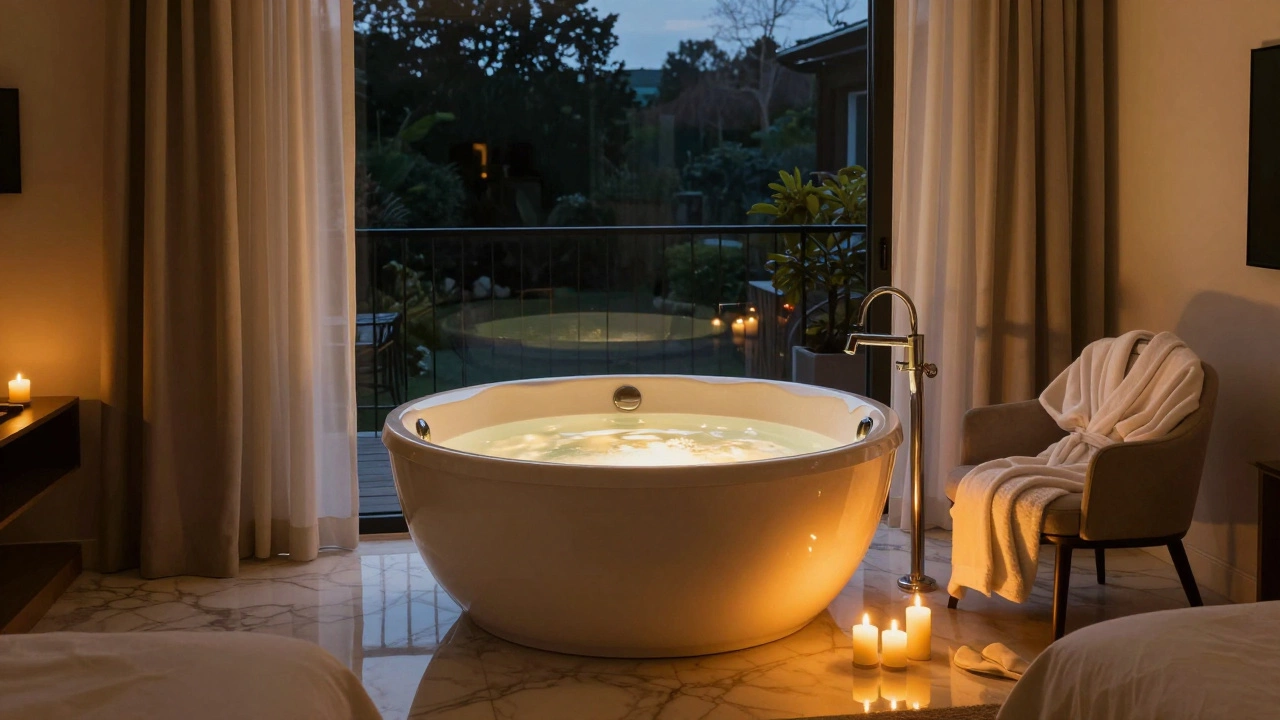
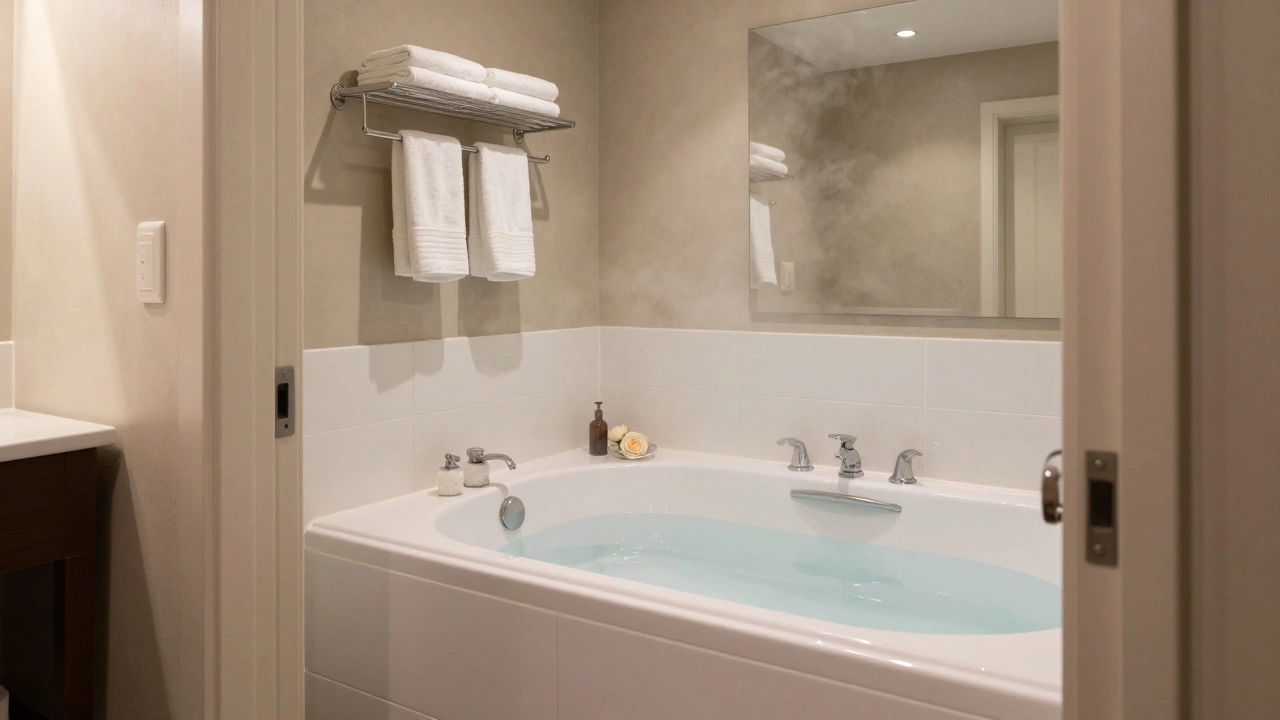
Not all ‘spa suites’ are created equal. Some have a small jetted tub tucked into the corner of the bathroom. Others have a full-sized, freestanding hot tub in the center of the bedroom, surrounded by candles and dim lighting. The difference matters.
Here’s what to look for when you’re comparing options:
- Size of the tub: Is it big enough for two? Some tubs are meant for one person - you’ll be squished if you’re sharing.
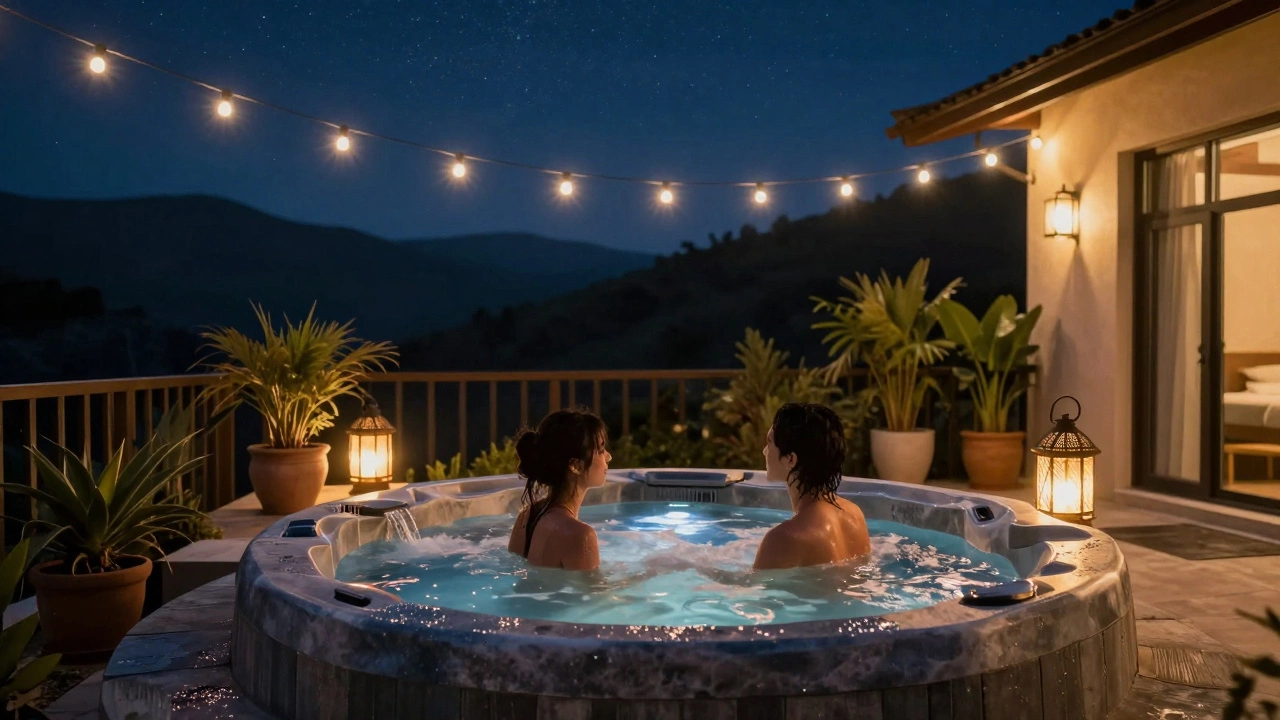
- Location: Is the tub in the bathroom, or does it open onto a private patio? Outdoor tubs are rarer but far more romantic.
- Heating and cleaning: Does the tub heat up quickly? Is it cleaned between guests? Many budget hotels skip deep cleaning, leaving residue or a musty smell.
- Additional features: Do they include bath salts, champagne, or robes? These extras turn a room into an experience.
Real travelers have reported waking up to cold tubs because the hotel turned the heat off overnight to save energy. Others found mold around the edges because the tub wasn’t drained and sanitized properly. Don’t assume luxury means cleanliness. Always check recent reviews for mentions of the tub’s condition.
Why the Confusion? Marketing vs. Reality
Hotels know people search for ‘romantic getaways’ or ‘couples retreats.’ So they slap on terms like ‘spa suite’ to attract bookings - even if the tub is barely functional. A study by the American Hotel & Lodging Association in 2024 found that 38% of guests who booked a ‘hot tub room’ were disappointed because the tub was too small, dirty, or didn’t work at all.
Some hotels use the term relaxation suite or premium room to avoid promising a hot tub outright. That’s a red flag. If the description doesn’t mention a tub, it probably doesn’t have one. Always look for the word ‘hot tub,’ ‘whirlpool,’ or ‘jacuzzi’ in the room description - not just in the photos.
And don’t trust stock photos. A hotel might show a photo of a tub in their lobby or a different room. Always zoom in on the actual room listing. Look for details like plumbing fixtures, drain covers, or water lines - those are real indicators the tub is part of the room, not just a prop.
Where to Find the Best Ones
Not all hotels offer tub rooms. You’ll find them most often in:
- Boutique hotels - These places focus on experience over size. They’re more likely to invest in unique amenities.
- Romantic resorts - Especially in places like the Caribbean, Tuscany, or the Scottish Highlands, tubs in rooms are standard.
- Adults-only properties - Families rarely need a hot tub in the bedroom. These hotels cater to couples and prioritize privacy.
- Luxury chains - Brands like Four Seasons, Auberge, or Belmond often list tub rooms under ‘Romantic Getaway’ or ‘Spa Retreat’ packages.
Booking sites like Booking.com and Expedia let you filter for ‘hot tub’ or ‘jetted tub.’ Use that filter. It’s the fastest way to cut through the noise. Avoid vague filters like ‘luxury’ or ‘romantic’ - they don’t guarantee a tub.
What to Say When You Book
Even if the listing says ‘hot tub,’ call the hotel directly before you pay. Say: ‘I’m booking the room with the hot tub - can you confirm it’s in the bedroom and working properly?’
Some hotels will upgrade you for free if they have a better room available. Others will warn you that the tub is for one person only - or that it’s not heated after 10 p.m. You want to know this before you arrive.
Also, ask about the water source. Is it a private tub, or does it share a system with other rooms? Shared systems mean slower refill times and less control over temperature. Private tubs are worth the extra cost.
Alternatives If You Can’t Find One
Not every hotel has in-room tubs. But that doesn’t mean you can’t enjoy one.
- Book a room with access to a shared spa - Many luxury hotels have hot tubs in their spa area. You’ll need to book a time, but it’s often included with your stay.
- Choose a vacation rental - Airbnb and Vrbo listings often have private hot tubs on patios or decks. You get more space, more privacy, and usually a better tub.
- Upgrade at check-in - If the hotel has a tub room available, they might give you a free upgrade. Ask politely at the front desk.
One traveler in Sedona booked a standard room, then asked at check-in if any tub rooms were free. They got a $200 upgrade for no extra charge - because the hotel had a cancellation. Always ask.
Final Tip: Read the Fine Print
Some hotels charge extra for using the tub - especially if it’s a ‘premium’ feature. Others include it in the room rate. Look for phrases like ‘additional fee applies’ or ‘spa access not included.’
Also, check the cancellation policy. If you’re booking a tub room for a special occasion - anniversary, proposal, honeymoon - you want to know you can get your money back if the tub doesn’t work. Many places won’t refund you just because the tub was broken. That’s why calling ahead matters.
At the end of the day, a hot tub in your room isn’t just about soaking. It’s about feeling pampered, relaxed, and treated like you matter. The right name - spa suite, whirlpool room, jacuzzi suite - is just the start. What matters is what’s inside it, and whether it actually works when you need it to.
Is a hot tub the same as a jacuzzi?
Technically, no. Jacuzzi is a brand name for a type of hot tub. But in everyday language, people use ‘jacuzzi’ to mean any built-in hot tub. Hotels will use both terms interchangeably. If you see ‘jacuzzi suite,’ expect a hot tub - it’s just branded.
Do all spa suites have a hot tub?
Not always. Some hotels use ‘spa suite’ to mean a room with a large bathroom, aromatherapy products, or a rainfall shower - even if there’s no tub. Always check the room description for the word ‘hot tub’ or ‘whirlpool.’ Don’t rely on the word ‘spa’ alone.
Are hot tub rooms worth the extra cost?
If you’re looking for relaxation, privacy, or a romantic experience, yes. A hot tub in your room can turn an ordinary night into a memorable one. But if you’re just planning to shower and sleep, skip it. The extra cost can be $50-$150 per night, so make sure you’ll actually use it.
Can I bring kids to a hot tub room?
Most hot tub rooms are in adults-only hotels or designated floors. Even if the hotel allows kids, the tub may be too hot or too deep for children. Always ask the hotel’s policy before booking. Safety is more important than convenience.
What if the hot tub doesn’t work when I arrive?
Call the front desk immediately. Most hotels will either fix it within an hour or move you to another room. If they don’t offer a solution, ask for a partial refund or a free night on your next stay. Don’t accept ‘we’ll look into it’ - insist on action.