Country House Hotel Quiz
How Well Do You Know Country House Hotels?
Discover if you understand the charm, history, and service style of these unique accommodations.
Quiz Complete!
Your Score:
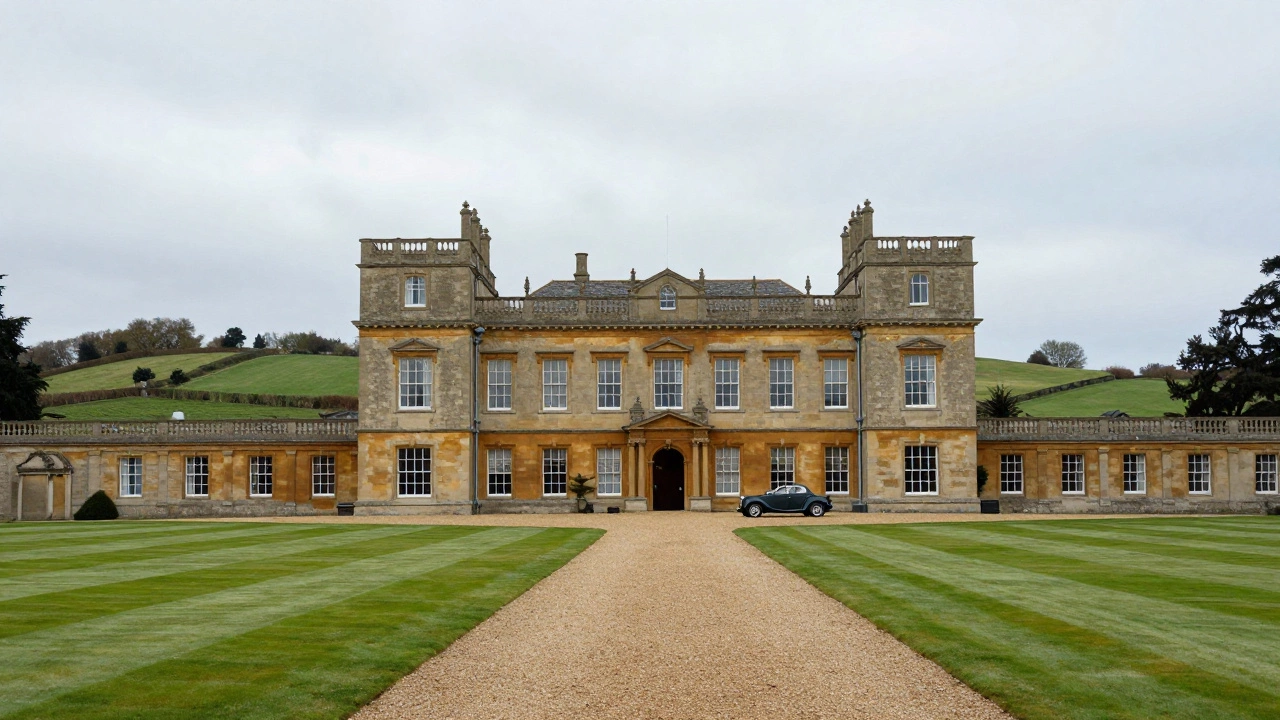
Picture this: you pull up to a grand stone building surrounded by rolling green fields. There’s no neon sign, no chain-logoed lobby, and definitely no airport shuttle waiting out front. Instead, there are manicured lawns, maybe a dovecote, and an air of quiet history that feels miles away from your daily grind. This is the essence of a country house hotel. But what exactly makes a property earn this title? Is it just any hotel in the sticks? Or is there something more specific about the architecture, the service, and the experience?
If you’ve ever scrolled through travel sites looking for a weekend escape, you’ve likely seen the term used loosely. Sometimes it describes a converted barn; other times, it refers to a sprawling Georgian manor with twenty bedrooms. The confusion is understandable. In the world of hospitality, labels matter. Knowing what defines a true country house helps you set realistic expectations for your stay-whether you’re planning a romantic getaway, a family reunion, or a quiet writing retreat.
The Architectural Soul: More Than Just a Building
At its core, a country house is defined by its origins. These buildings were not constructed as hotels. They started as private residences for aristocracy, wealthy landowners, or industrialists who wanted to live close to their estates. When we talk about the classic country house, we are usually talking about structures built between the 17th and early 20th centuries. Think Georgian symmetry, Victorian ornamentation, or perhaps a Tudor revival style with half-timbering and steep gables.
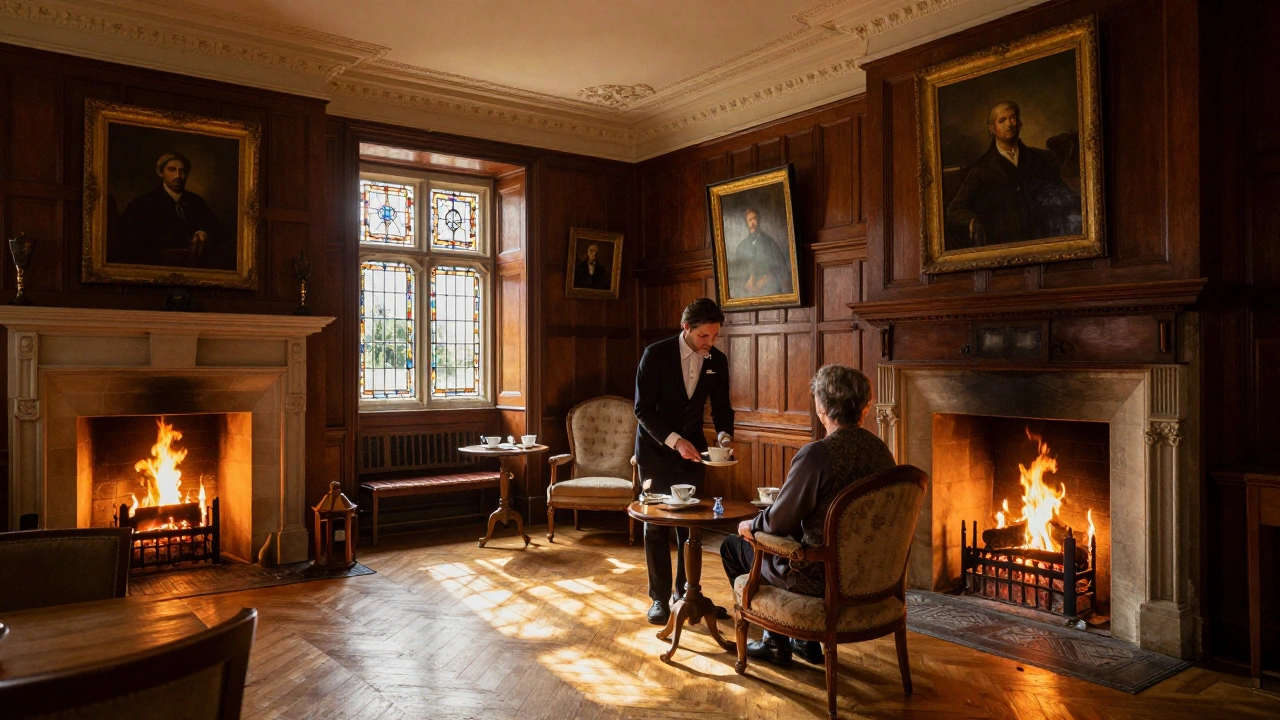
The architecture dictates the experience. Unlike modern boutique hotels designed from scratch with open-plan layouts, country houses often feature high ceilings, large fireplaces, and corridors that echo with footsteps. You might find original parquet flooring, stained-glass windows, and portraits on the walls that have been there for generations. The building itself tells a story. It has weight and presence. When you walk into the lobby-or rather, the drawing room-you aren’t entering a standardized space. You are stepping into a preserved slice of history.
This historical aspect brings both charm and quirks. Radiators might clank, doors might stick in winter, and rooms might be asymmetrical because they weren’t built for efficiency. But that’s part of the appeal. The imperfections remind you that you are staying in a home, not a factory-produced unit. The central entity here is the building itself, which serves as the primary attraction before you even unpack your bags.
Service Style: The Butler vs. The Front Desk
One of the biggest differences between a country house hotel and a standard urban hotel lies in the service model. City hotels operate on speed and convenience. You want breakfast at 6 AM? Fine. You need a late checkout? Let’s check availability. Country houses operate on a different rhythm. The service is often more personal, less transactional, and sometimes slower, but deeply attentive.
In many traditional country houses, you won’t find a bustling front desk with three agents typing away. Instead, you might be greeted by a host or a manager who knows your name by the time you reach the door. Room service isn’t just a menu item; it might be delivered by someone who asks if you prefer tea over coffee based on a conversation you had yesterday. The staff-to-guest ratio is typically higher, allowing for a level of care that larger chains simply can’t replicate.
However, this doesn’t mean everything is perfect. Because these properties are smaller and often rely on local staff rather than centralized corporate training, consistency can vary. One night the dinner service is flawless; the next, the kitchen is short-staffed. Understanding this dynamic helps manage expectations. You are paying for character and connection, not robotic precision. If you thrive on strict schedules and instant gratification, a country house might feel frustratingly slow. If you value being treated like a guest in someone’s home, it will feel like paradise.
Location and Landscape: The Estate Factor
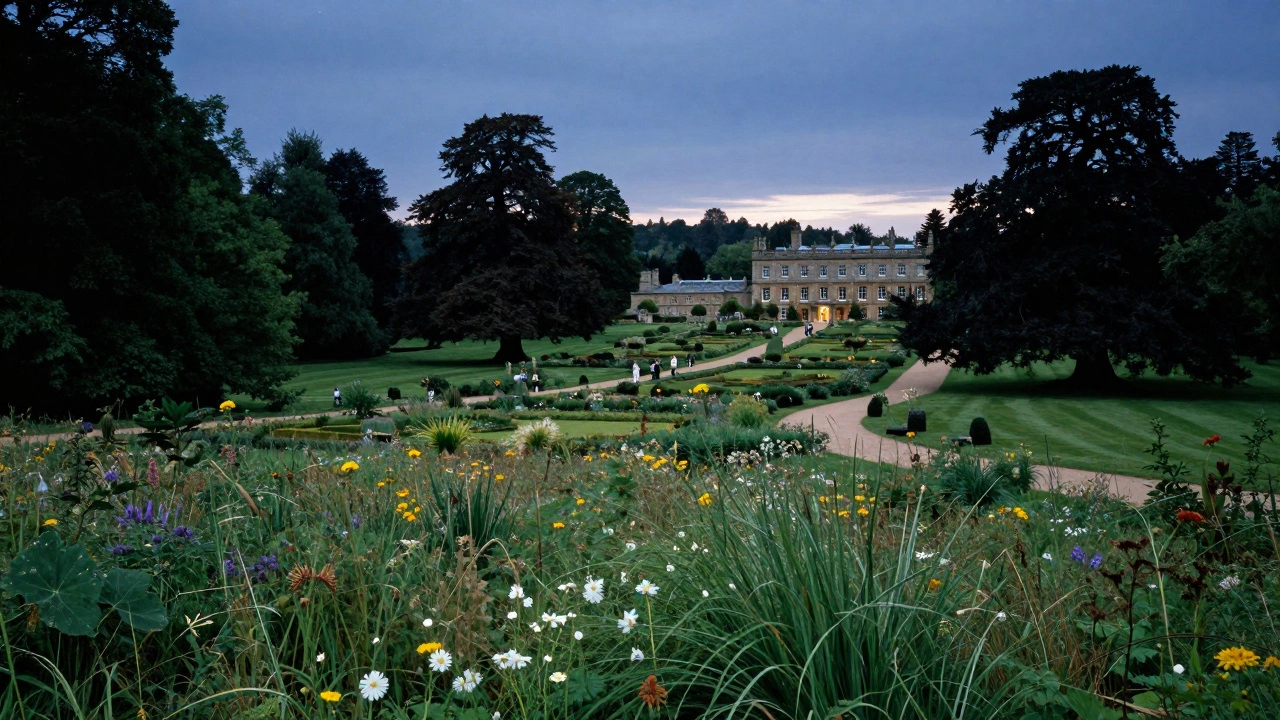
A country house is incomplete without its grounds. The definition extends beyond the walls to include the land surrounding it. Most authentic country house hotels sit within extensive estates, ranging from 50 acres to several thousand. These grounds are not just decorative; they are integral to the guest experience.
You’ll often find formal gardens, wildflower meadows, woodlands, and sometimes even lakes or rivers. Many properties offer guided walks, bird-watching tours, or cycling paths directly from the doorstep. The isolation is a feature, not a bug. You are far enough from city centers that light pollution is minimal, allowing you to see stars clearly at night. Sound pollution is also low, replaced by the rustle of leaves and the call of distant birds.
This connection to nature influences the activities available. While a city hotel might promote nearby museums or shopping districts, a country house promotes hiking, horseback riding, fishing, or simply sitting on a terrace with a book. The landscape becomes a co-host. For travelers seeking mental decompression, this separation from urban density is crucial. It provides a physical boundary that helps switch off work mode.
Dining: From Farm to Table Literally
Food in a country house hotel is rarely an afterthought. Historically, these estates were agricultural hubs, producing food for the household. Today, that legacy translates into a strong emphasis on local sourcing and seasonal menus. Many country houses maintain their own kitchens gardens, orchards, or partnerships with neighboring farms.
The dining experience is often formal or semi-formal. Dinner might be served at fixed times, encouraging guests to gather in a grand dining room. The menu reflects the region’s produce: game meats in autumn, fresh fish from local waters, vegetables picked that morning. Wine lists tend to focus on regional vintages or classic pairings that complement hearty, rustic dishes.
This approach contrasts sharply with the international cuisine found in many city hotels. Here, you eat what the land provides. If it’s raining and cold, expect stews and roasts. If it’s summer, look forward to salads and grilled items. This seasonality adds variety and authenticity to the meal. It also supports the local economy, creating a sustainable loop where tourism benefits the surrounding community.
Country House vs. Boutique Hotel: Clearing the Confusion
It’s easy to mix up country houses with boutique hotels, especially since both emphasize unique design and personalized service. However, the distinction lies in scale, history, and setting. A boutique hotel can be located anywhere-a converted warehouse in downtown London, a beachfront villa in Bali, or a loft in New York. Its defining trait is its small size and distinctive style.
A country house, by contrast, is defined by its rural location and historical pedigree. While a boutique hotel might have ten rooms, a country house often has fifteen to thirty, spread across a larger footprint. The ambiance of a boutique hotel is curated by designers; the ambiance of a country house is inherited from history. One is created; the other is preserved. Understanding this difference helps you choose the right type of escape. If you want trendy interiors and nightlife proximity, go boutique. If you want heritage, silence, and space, go country house.
| Feature | Country House Hotel | Urban Boutique Hotel |
|---|---|---|
| Location | Rural, isolated, scenic | City center, vibrant, accessible |
| Architecture | Historic (Georgian/Victorian), preserved | Modern, renovated, designer-led |
| Service Pace | Relaxed, personal, unhurried | Efficient, fast-paced, professional |
| Dining Focus | Local, seasonal, farm-to-table | International, fusion, trend-driven |
| Primary Activity | Nature, relaxation, history | Culture, shopping, nightlife |
Who Is the Country House For?
Not every traveler will find a country house appealing. The lack of immediate access to restaurants, bars, and public transport can be a drawback for those who prefer spontaneity. If you hate planning meals or getting lost in unfamiliar roads, this might not be your ideal spot. Additionally, the formal atmosphere can feel stiff for younger travelers or groups looking for a party vibe.
However, for certain demographics, the country house is unmatched. Couples celebrating anniversaries appreciate the privacy and romance. Families with children love the space to run around safely in the gardens. Solo travelers seeking reflection find the silence therapeutic. Business travelers looking to disconnect from emails and reconnect with creativity often report higher productivity after a few days in such settings.
The key is alignment. Your goals for the trip must match what the property offers. If you want adventure, look for country houses with equestrian centers or climbing routes. If you want luxury, seek out those with spas and fine dining. If you want budget-friendly comfort, some smaller country houses offer B&B rates that undercut city prices during off-seasons.
Finding the Right Property
When searching for a country house hotel, look beyond the photos. Check the history section of their website. Does it mention previous owners? Are there references to architectural preservation? Read reviews focusing on service interactions and food quality rather than just room cleanliness. Ask about the grounds-are they accessible to guests? Can you walk alone, or do you need a guide?
Also, consider the season. Spring and autumn offer mild weather and fewer crowds, making them ideal for exploring the estate. Summer can be busy with weddings and events, so book early. Winter provides a cozy, fireplace-centric experience, but verify heating systems if you’re sensitive to cold. By understanding what constitutes a true country house, you can navigate the market with confidence and find a place that truly rejuvenates your spirit.
Is a country house hotel always expensive?
Not necessarily. While many country houses position themselves as luxury destinations, prices vary widely based on location, season, and amenities. Smaller properties or those in less tourist-heavy regions may offer competitive rates, especially during weekdays or off-peak seasons. Look for bed-and-breakfast packages which often provide better value than full-board options.
Do I need a car to stay at a country house hotel?
In most cases, yes. Country houses are located in rural areas with limited public transportation. Having a car gives you flexibility to explore nearby villages, attractions, and dining options. Some properties offer shuttle services from the nearest train station, but these are not universal. Always check transport links before booking if you plan to travel without a vehicle.
Are country house hotels suitable for families with young children?
Many are, particularly those that advertise family-friendly amenities like playgrounds, games rooms, or connecting rooms. However, some historic properties may have safety concerns such as grand staircases or fragile antiques. It’s best to contact the hotel directly to inquire about child policies, crib availability, and whether the environment is safe for toddlers.
What should I wear at a country house hotel dinner?
Dress codes vary, but smart casual is generally a safe bet. Avoid jeans and sneakers unless specified otherwise. Many country houses maintain a tradition of elegant evening wear, so men might opt for collared shirts and trousers, while women might choose dresses or skirts. Always check the property’s website for specific guidelines to avoid underdressing.
How does a country house differ from a self-catering cottage?
A country house hotel provides full-service hospitality, including housekeeping, restaurant dining, and concierge services. A self-catering cottage requires you to manage your own meals, cleaning, and supplies. Country houses offer a more immersive, hands-off experience, while cottages provide greater independence and privacy for longer stays.