Eco Cottage Feature Builder
Select the core components you want to include in your dream eco cottage to see how they contribute to sustainability.
Key Benefits of Your Selection:
- Select features to see benefits...
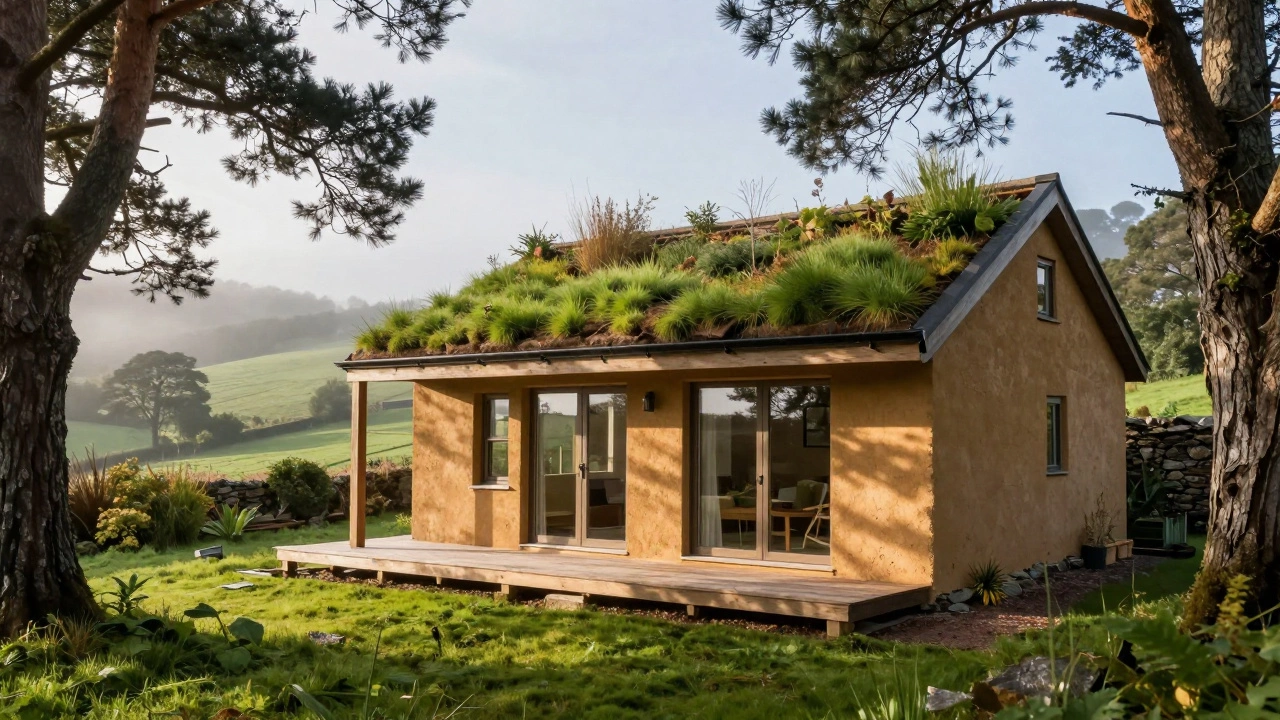
Imagine stepping out of your car, leaving the noise of the city behind, and walking onto a porch made from reclaimed timber. The air smells like pine and damp earth. You turn the handle of a door fitted with recycled glass, step inside, and feel the warmth radiating from a stove fueled by wood you helped chop. This isn't just a rustic getaway; it is an eco cottage, a small, sustainably built dwelling designed to minimize environmental impact while maximizing comfort and connection to nature. But what exactly makes a cottage "eco"? Is it just about solar panels on the roof, or does it go deeper?
The definition of an eco cottage has evolved significantly over the last decade. It is no longer enough to simply plant a few flowers around a standard brick house. Today, an eco cottage represents a holistic approach to living that integrates energy efficiency, sustainable materials, water conservation, and biodiversity. Whether you are looking to buy a permanent home, rent a vacation rental, or simply understand the trend shaping the future of rural architecture, understanding the core components of these structures is essential.
The Core Principles of Eco Cottage Design
An eco cottage is defined by its relationship with the environment. Unlike conventional homes that extract resources and generate waste, an eco cottage aims for a circular economy where inputs are minimized and outputs are managed responsibly. The design philosophy usually rests on three pillars: passive design, renewable integration, and material honesty.
Passive design is the unsung hero of sustainable living. Before installing any technology, an eco cottage is oriented to maximize natural light and heat. In the Northern Hemisphere, this means large south-facing windows to capture winter sun and deep overhangs to block summer glare. This reduces the need for artificial heating and cooling. For example, a well-designed eco cottage in the UK might reduce its heating demand by up to 70% compared to a traditional stone cottage, simply through orientation and insulation.
Material honesty refers to using materials that are locally sourced, renewable, or recycled. Instead of importing bricks from halfway across the world, builders might use rammed earth, a construction technique using compacted soil stabilized with a small amount of cement or lime taken directly from the site. Other common materials include hempcrete, straw bale, and reclaimed timber. These materials not only have a lower carbon footprint but also offer superior thermal performance and breathability, regulating humidity naturally.
Key Features That Define an Eco Cottage
While every eco cottage is unique, certain features are nearly universal. These elements distinguish them from standard rural accommodations and provide tangible benefits to occupants.
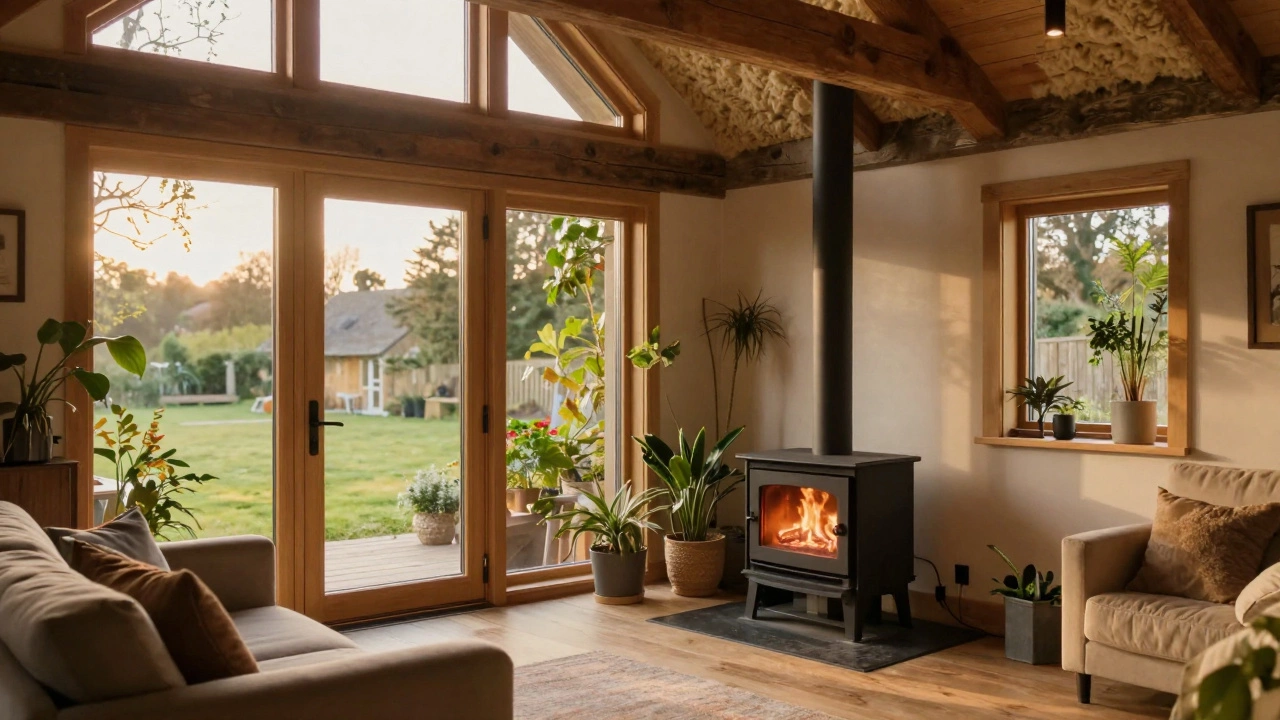
- High-Performance Insulation: Walls, roofs, and floors are insulated with natural materials like sheep's wool, cellulose (recycled paper), or cork. This creates a tight envelope that retains heat in winter and cool air in summer.
- Renewable Energy Systems: Most eco cottages feature photovoltaic solar panels, devices that convert sunlight directly into electricity using semiconductor materials. Many also utilize ground-source heat pumps, which draw stable temperatures from the earth to heat water and air efficiently.
- Water Conservation: Rainwater harvesting systems collect runoff from the roof for garden irrigation and toilet flushing. Greywater recycling systems treat water from sinks and showers for reuse, reducing freshwater consumption by up to 50%.
- Biophilic Design: Large windows, indoor plants, and natural textures blur the line between inside and outside, promoting mental well-being and a sense of connection to the landscape.
- Low-Impact Waste Management: Composting toilets or septic tanks with advanced filtration systems ensure that human waste is processed without contaminating local waterways.
These features work together to create a self-sufficient unit. For instance, during a power outage, a grid-tied home loses all functionality. An eco cottage with battery storage and a backup generator can often continue operating critical systems, offering resilience against climate-related disruptions.
Eco Cottages vs. Traditional Cottages: A Comparison
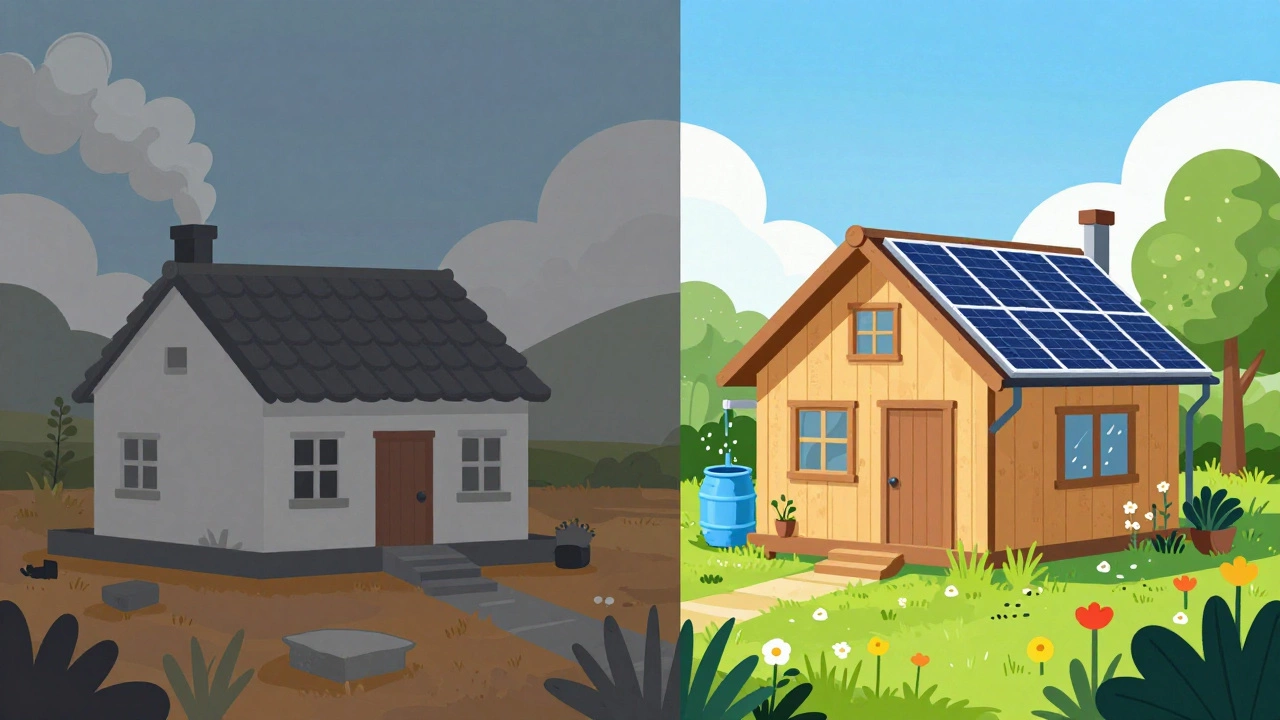
To truly appreciate the value of an eco cottage, it helps to compare it with a traditional rural cottage. While both may look charming from the outside, their internal workings and long-term impacts differ drastically.
| Feature | Eco Cottage | Traditional Cottage |
|---|---|---|
| Energy Source | Primarily renewable (solar, wind, biomass) | Fossil fuels (gas, oil, coal) or grid electricity |
| Building Materials | Natural, local, recycled (straw, hemp, reclaimed wood) | Synthetic, imported, high-carbon (brick, concrete, PVC) |
| Carbon Footprint | Net-zero or carbon-positive potential | Significant embodied and operational carbon emissions |
| Indoor Air Quality | High (low-VOC materials, mechanical ventilation) | Variable (often poor due to mold, dust, or fumes) |
| Running Costs | Very low after initial investment | Moderate to high, dependent on energy prices |
| Resale Value | Increasingly high due to sustainability trends | Stable but vulnerable to rising energy costs |
The table highlights a key shift: eco cottages are investments in resilience. As energy prices rise and regulations tighten, the operational costs of traditional cottages will likely increase, while eco cottages become more valuable as safe havens of efficiency and comfort.
The Experience of Living in an Eco Cottage
Living in an eco cottage is not just about saving the planet; it is about enhancing daily life. Residents often report a heightened awareness of their surroundings. When you rely on solar power, you notice the sun's position. When you harvest rainwater, you pay attention to weather patterns. This mindfulness leads to a slower, more intentional lifestyle.
Comfort levels are surprisingly high. Thanks to superior insulation, eco cottages maintain consistent temperatures year-round. There are no cold drafts or hot spots. The air feels fresh because mechanical ventilation with heat recovery (MVHR) systems constantly filter and refresh the air without losing heat. This is particularly beneficial for people with allergies or respiratory issues.
However, there is a learning curve. Managing an eco cottage requires active participation. You need to monitor energy usage, maintain composting systems, and perhaps grow some of your own food. It is less passive than living in a conventional home, but many find this engagement rewarding and empowering.
Challenges and Considerations
Despite their benefits, eco cottages are not without challenges. The initial cost can be higher than traditional builds, primarily due to specialized materials and labor. However, this gap is narrowing as techniques become more standardized and economies of scale improve.
Another consideration is planning permission. In many regions, building codes are still catching up with green technology. You may face hurdles when trying to install non-standard sewage systems or unconventional roofing materials. Working with architects experienced in sustainable design is crucial to navigating these regulatory landscapes.
Maintenance is also different. Natural materials require specific care. For example, clay plaster walls need to be kept dry and may crack if humidity levels fluctuate wildly. Wooden exteriors need regular treatment to prevent rot. Understanding the maintenance needs of your chosen materials is vital for long-term durability.
The Future of Eco Cottages
The trend toward eco cottages is accelerating. With global focus on climate change, governments are introducing incentives for green building. Tax credits, grants, and relaxed zoning laws are making it easier to build or convert existing structures into eco-friendly dwellings.
Technology is also advancing. Smart home systems now integrate seamlessly with renewable energy sources, optimizing usage based on real-time data. New materials, such as mycelium insulation and transparent solar glass, promise even greater efficiency and aesthetic flexibility in the coming years.
As more people seek escape from urban stress and desire a meaningful connection to nature, eco cottages offer a compelling solution. They are not just buildings; they are statements of values, reflecting a commitment to sustainability, health, and harmony with the natural world.
How much does it cost to build an eco cottage?
The cost varies widely depending on location, size, and materials. On average, building an eco cottage can range from $150 to $400 per square foot, which is comparable to or slightly higher than traditional construction. However, long-term savings on energy bills can offset the initial investment within 5-10 years.
Can I convert my existing cottage into an eco cottage?
Yes, retrofitting is a popular option. Key upgrades include adding insulation, installing solar panels, replacing old windows with double-glazed units, and switching to renewable heating systems like heat pumps. While it may not achieve the same performance as a new build, it significantly reduces environmental impact.
Are eco cottages comfortable in extreme weather?
Absolutely. High-performance insulation and airtight construction make eco cottages extremely resilient. They stay warm in freezing winters and cool in scorching summers. Proper ventilation ensures air quality remains high regardless of external conditions.
Do eco cottages require special maintenance?
Some natural materials do require specific care. For example, clay plaster needs protection from moisture, and wooden facades need periodic sealing. However, many eco components, like solar panels and heat pumps, have minimal maintenance requirements compared to traditional boilers and HVAC systems.
Is it difficult to get financing for an eco cottage?
Financing can be challenging due to the novelty of some technologies. However, green mortgages and government grants are becoming more available. Lenders increasingly recognize the value of energy-efficient homes, making it easier to secure loans for projects with strong sustainability credentials.