Stealth Camping Legal Checker
Check your location legality
Use this tool to determine if your intended stealth camping spot meets legal requirements in your country.
Stealth camping isn’t about sneaking around in the dark with a flashlight. It’s about blending in so well, no one even notices you’re there. No campsites. No fees. No reservations. Just you, your gear, and a quiet patch of land where the trees are thick and the road fades into the woods. It’s the original form of camping-before permits, before apps, before Instagram influencers turned every forest edge into a photo op.
How stealth camping works
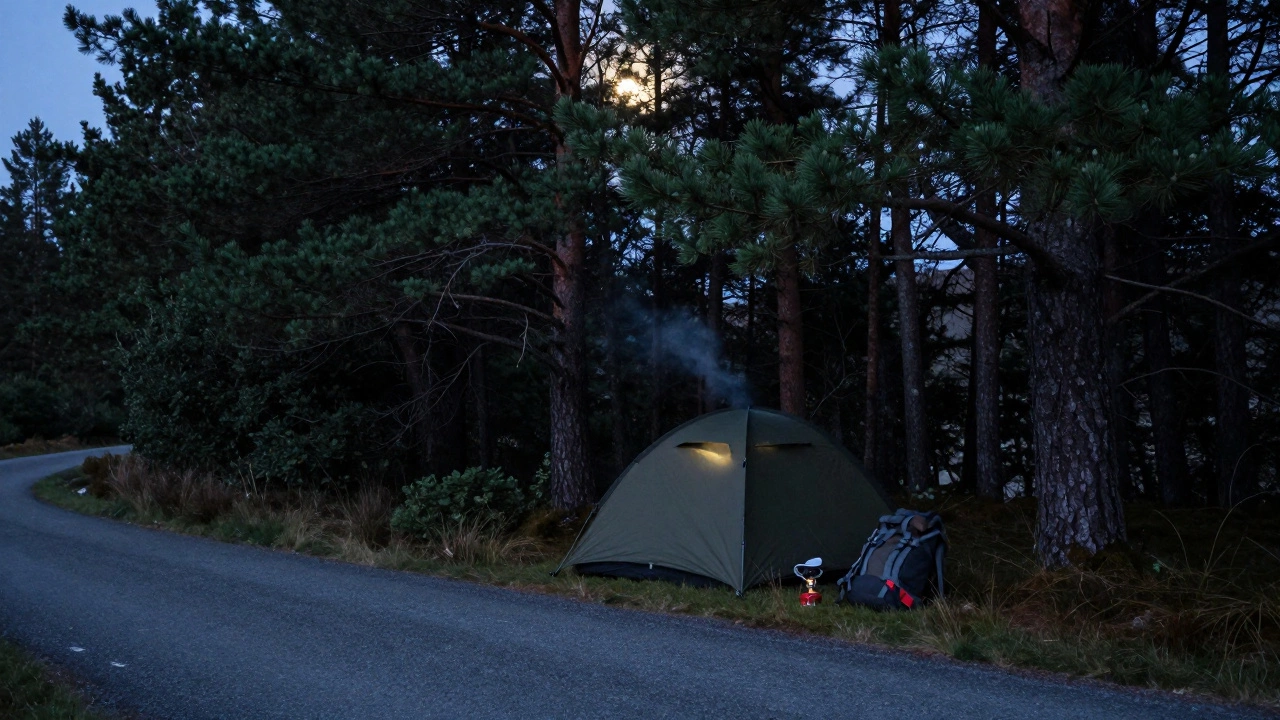
Stealth camping means parking your car, van, or pulling off the road just far enough to disappear. You set up your tent under a canopy of pine or poplar, cook a simple meal with a portable stove, and sleep with the windows cracked open. You leave before sunrise. You don’t start a fire. You don’t play music. You don’t leave a single wrapper behind. The goal isn’t to be seen-it’s to be forgotten.
People do this because they want to feel the quiet. Not the kind of quiet you get in a spa resort, but the deep, humming quiet of a forest at 3 a.m. when the only sound is your own breathing and the wind brushing against leaves. It’s not for everyone. You need to be organized. You need to be respectful. And you need to know the rules.
Where you can and can’t do it
Stealth camping isn’t legal everywhere. In the U.S., it’s often allowed on public lands managed by the Bureau of Land Management (BLM) or in national forests, as long as you’re not within 100 feet of a trail, water source, or developed area. In Canada, it’s tolerated in many provincial parks if you’re more than 1 km from any marked campsite. In the UK, wild camping is technically illegal in England and Wales-but quietly accepted in remote parts of the Lake District, Dartmoor, and the Scottish Highlands if you follow the leave no trace code.
Some places have zero tolerance. National parks like Yosemite or Banff require permits. Urban fringes near state highways? Don’t even think about it. Police will pull you over. The trick isn’t to hide from law enforcement-it’s to avoid drawing attention in the first place.
What gear you actually need
You don’t need a $3,000 van conversion to stealth camp. You need three things: a small tent, a sleeping bag rated for the season, and a way to cook without smoke or smell.
Most stealth campers use a lightweight, dark-colored tent-olive green or charcoal-so it doesn’t stand out against tree shadows. A compact camping stove that runs on isobutane is ideal. No open flames. No charcoal grills. No propane lanterns that glow like a beacon. Bring food that doesn’t need cooking: nuts, jerky, oatmeal packets, dried fruit.
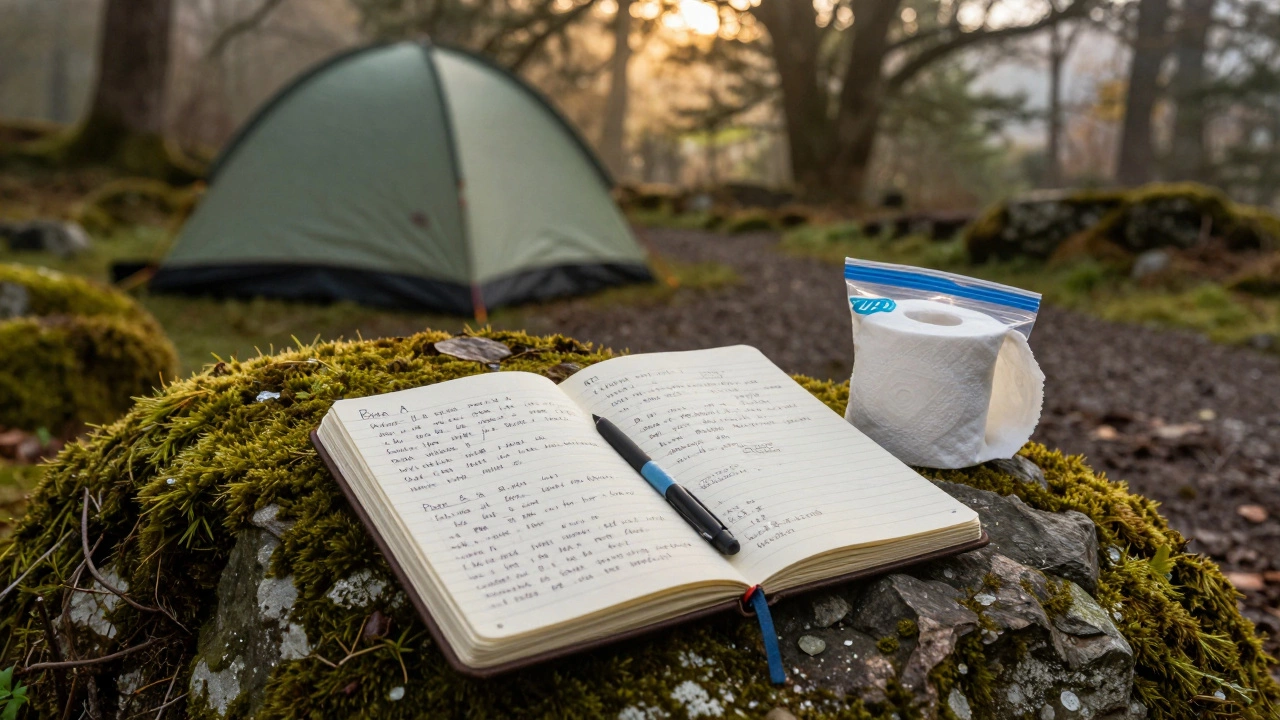
Water? Fill up before you leave. Carry a filter if you’re near a stream, but never drink straight from it. And always pack out your waste. Use a portable toilet system or a small shovel to bury human waste at least 200 feet from water. A Ziploc bag for toilet paper goes in your pack, not the ground.
Why it’s better than staying in an eco-friendly cottage
There’s a growing trend toward eco-friendly cottages-solar panels, composting toilets, reclaimed wood. They’re beautiful. They’re comfortable. But they’re still a product. A service. A place you pay for, book online, and check into like a hotel room.
Stealth camping is the opposite. It’s unmediated. You’re not renting a view-you’re borrowing it. You’re not paying for a ‘nature experience’-you’re just being in nature. There’s no host. No Wi-Fi. No breakfast included. Just silence, cold air, and the feeling that you’ve slipped through the cracks of the modern world.
And here’s the real eco-angle: stealth camping leaves almost zero footprint. No electricity used. No water wasted. No cleaning staff coming in after you. No plastic bottles from the minibar. If you do it right, the land doesn’t even know you were there.
The unwritten rules
There are no signs. No rulebooks. Just a shared understanding among those who do it.
- Arrive after dusk. Leave before dawn.
- Park where you can pull off completely-not blocking a driveway or a fire lane.
- Never camp in the same spot two nights in a row.
- If you see another camper, say hello, then give them space.
- If someone asks what you’re doing, don’t lie. Just say, ‘Just sleeping here for the night.’ Most people will nod and walk away.
- If you get a ticket? Pay it. Don’t argue. You’re not fighting the system-you’re just passing through.
One of the most important rules? Don’t post about it online. No hashtags. No geotags. No TikTok videos of your sunrise coffee. The more people find out where you go, the more likely it is that place will get overrun, fenced off, or banned.
Real examples from the field
There’s a stretch of forest road in northern Vermont where locals have been stealth camping for decades. No signs. No ranger stations. Just a gravel pullout with a view of Mount Mansfield. You’ll find a few tents there on weekends, but never more than five. Everyone leaves their spot cleaner than they found it. Someone even left a small notebook with notes: ‘Don’t park here after rain-mud sucks tires.’ ‘Bear spray by the big pine.’ ‘Water source 200 yards east.’
In Ireland, near the Slieve Bloom Mountains, a group of hikers started doing it quietly. They park near old stone walls, set up tents under the cover of hawthorn trees, and leave no trace. No one complains. No one reports them. They’ve been doing it for years. The land remembers them, but doesn’t mark them.
When stealth camping goes wrong
It’s not dangerous if you’re careful. But people mess up. They camp too close to a house. They light a fire. They leave trash. They play loud music. Then the whole thing gets flagged. A ranger shows up. A neighbor calls the police. A town passes a new ordinance. And suddenly, the quiet spot you loved? It’s gone.
One guy in Oregon got fined $500 for camping within 100 feet of a trail. He didn’t realize the trail was marked. He thought it was just a dirt path. That’s the problem-rules aren’t always clear. That’s why you research. That’s why you ask. That’s why you stay humble.
Is stealth camping for you?
If you want to feel the wild without paying for it, if you value silence more than comfort, and if you’re willing to be responsible for your own impact-then yes. It’s for you.
If you need a hot shower, a king-sized bed, or a breakfast buffet? Go to an eco-friendly cottage. They’re great. But they’re not the same thing.
Stealth camping isn’t about escaping. It’s about returning. To the quiet. To the dark. To the land that doesn’t care if you’re rich, famous, or connected. It just wants you to be quiet, clean, and gone by morning.
Is stealth camping legal?
It depends on the country and the land. In the U.S., it’s often allowed on BLM and national forest land if you’re away from developed areas. In the UK, it’s tolerated in remote areas like the Scottish Highlands if you follow leave-no-trace rules. In national parks and private land, it’s usually illegal. Always check local regulations before you go.
Can I stealth camp in a car?
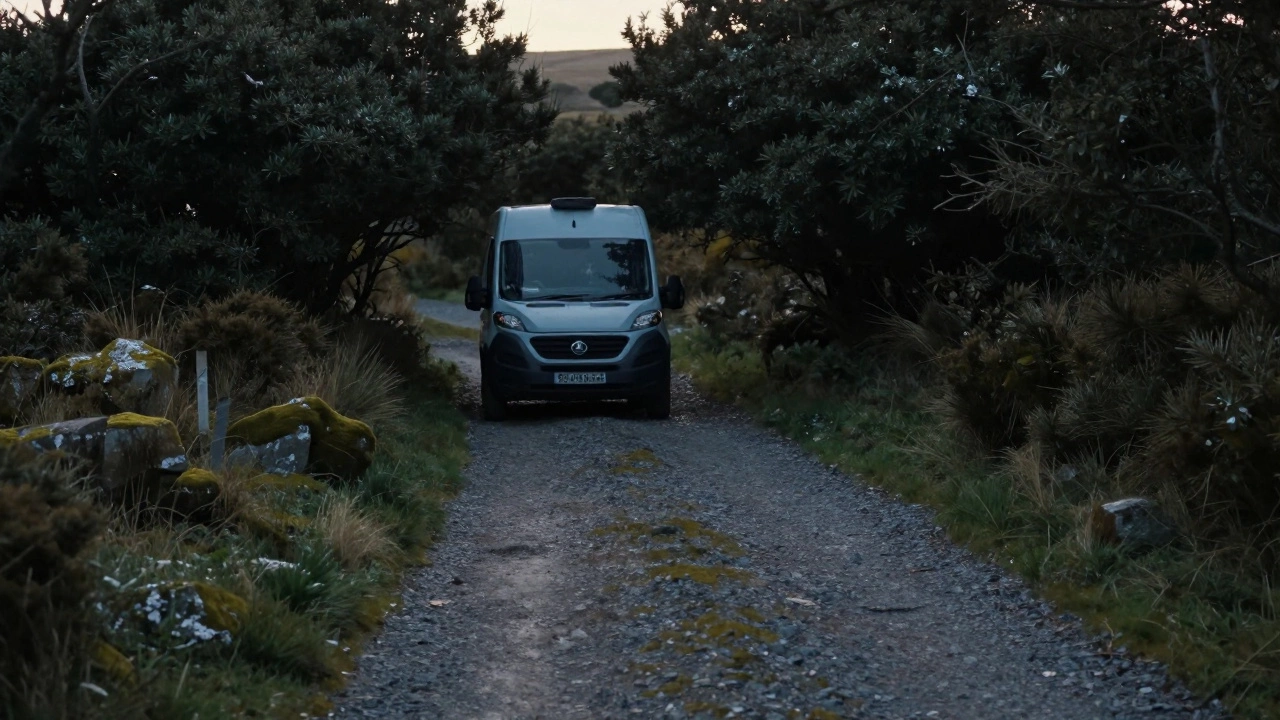
Yes. Many people do it from their cars, vans, or SUVs. The key is to park off the main road, avoid looking like a tourist, and never sleep with your lights on. Use blackout curtains, keep windows slightly cracked, and don’t leave anything visible inside. A parked car is less noticeable than a tent if you’re smart about it.
How do I find good stealth camping spots?
Use offline maps like Gaia GPS or Maps.me to find public land, forest service roads, or wide shoulders far from homes. Look for places with natural cover-trees, hills, thick brush. Avoid areas with ‘No Camping’ signs, even if they’re faded. Talk to locals at gas stations or small-town cafes. They often know the quiet spots.
Do I need a permit for stealth camping?
Usually not-if you’re on public land and following leave-no-trace rules. But if you’re in a national park or state forest, you might need a backcountry permit. Always check the managing agency’s website before you go. If you’re unsure, assume you need one.
What’s the biggest mistake beginners make?
Leaving trash or starting a fire. Even a small campfire can leave ash, smoke, and a smell that lingers for days. And trash? It attracts animals, upsets land managers, and gets the whole practice banned. The only rule that matters: if you brought it in, you take it out.