
Leave No Trace Impact Calculator
How Your Camping Trip Affects Nature
Small actions add up. This calculator shows how waste and impacts accumulate across groups of campers.
Real-world consequence: In the Canadian Rockies, 60% of black bears have human food in their stomachs.
You're leaving behind enough waste to impact 3 bears in this area.
There’s a quiet truth every experienced camper knows, but few talk about out loud: leave no trace. It’s not a suggestion. It’s not a nice idea. It’s the golden rule of camping-and it’s the only rule that matters if you care about the wild places you visit.
Think about it. You hike into the woods, set up your tent, cook dinner over a fire, and sleep under the stars. The next morning, you pack up and leave. But what’s left behind? A crushed patch of moss where your tent sat. A half-burned log that didn’t fully turn to ash. A plastic wrapper caught in a bush. A few food scraps near your fire ring. Maybe even a toilet paper roll tucked under a rock because you didn’t want to carry it out.
That’s not camping. That’s borrowing nature’s living room and leaving trash on the couch.
Why Leave No Trace Is the Only Rule That Matters
Every year, over 15 million people in the U.S. alone go camping. In Europe, numbers are rising fast, especially in places like the Scottish Highlands, the Dolomites, and Ireland’s Wicklow Mountains. These areas aren’t infinite. Trees don’t grow back overnight. Streams don’t clean themselves after a week of human waste. Animals don’t adapt to plastic bags and human noise without stress.
Leave No Trace isn’t a checklist. It’s a mindset. It’s the understanding that you’re a guest in a place that doesn’t belong to you. You don’t own the trail. You don’t own the creek. You don’t own the silence. You’re just passing through-and you owe it to the land to leave it as if you were never there.
That’s why the golden rule isn’t "don’t start fires" or "pack out your trash." Those are steps. The golden rule is deeper: act as if your presence should have zero lasting impact.
What Leave No Trace Actually Looks Like in Practice
It’s not complicated. But it takes attention.
- Plan ahead. Know the rules of the park. Some places ban fires. Some require bear-proof containers. Some forbid camping within 200 feet of water. Ignorance isn’t an excuse. Check the official site before you go.
- Travel and camp on durable surfaces. Use established campsites. If there isn’t one, pick rocky ground, dry grass, or snow-not moss, not wildflowers, not newly sprouted saplings. Your tent footprint can kill vegetation that took years to grow.
- Dispose of waste properly. Pack out everything you bring in. That includes food scraps, orange peels, coffee grounds, and even biodegradable soap. Human waste? Dig a cathole 6-8 inches deep, at least 200 feet from water, trails, and campsites. Pack out toilet paper in a sealed bag. Yes, even the "eco-friendly" kind.
- Leave what you find. No picking wildflowers. No stacking rocks into cairns. No carving your initials into a tree. No taking pinecones as souvenirs. The forest doesn’t need your keepsakes. It needs its own pieces intact.
- Minimize campfire impact. Use a camp stove instead. If you must build a fire, use existing fire rings. Burn only small sticks you find on the ground-never cut live branches. Burn it all to ash. Pour water on it until it’s cold. Scatter the cold ashes.
- Respect wildlife. Watch animals from afar. Never feed them. Food changes their behavior. A bear that learns to take food from humans becomes a danger-and often gets killed. A deer that loses its fear of people gets hit by cars.
- Be considerate of others. Keep noise down. Don’t blast music. Let people hear birds, not bass. Yield the trail. Say hello. Share the space.
These aren’t rules for kids. These are rules for adults who care about the future of wild places.
Why Eco-Friendly Cottages Are the Natural Extension of This Rule
When you stay in an eco-friendly cottage, you’re not just avoiding plastic bottles and energy waste. You’re continuing the Leave No Trace ethic indoors.
These cottages use solar power, composting toilets, rainwater collection, and reclaimed wood. They don’t flush chemicals into the soil. They don’t burn fossil fuels for heating. They don’t generate single-use waste. They’re designed to blend in, not dominate.
But here’s the catch: staying in an eco-friendly cottage doesn’t make you a good camper if you still leave trash on the trail. You can’t be sustainable in your bedroom and careless in the woods. The rule applies everywhere.
One couple I know rented a cozy, off-grid cottage in County Wicklow. They had compost bins, solar lights, and a wood-burning stove. But on their third day, they hiked to a waterfall and left their snack wrappers behind. When a ranger found them, he didn’t scold them. He just said, "You didn’t think your cottage made you the exception, did you?"
They never went back.
The Hidden Cost of Ignoring the Golden Rule
People think one plastic bag won’t matter. One cigarette butt. One abandoned tent peg. One pile of poop left in a shallow hole.
But it adds up.
Studies show that in popular camping areas, microplastics from gear and packaging are now found in 90% of mountain streams. In the Canadian Rockies, over 60% of black bears have human food in their stomachs. In the Lake District, trails are eroding so fast that park rangers have to close them every spring to let the earth heal.
And the worst part? Most people who do this don’t even realize they’re harming anything. They think they’re "just being outdoorsy." They think nature is "strong." But nature isn’t stubborn. It’s fragile. And it’s running out of time to recover.
What Happens When You Follow the Rule
When you leave no trace, something strange happens. You start noticing things you never saw before.
You notice the way the mist clings to the pine needles at dawn. You hear the difference between a squirrel’s chatter and a jay’s alarm call. You feel the coolness of the earth under your bare feet before sunrise. You realize the silence isn’t empty-it’s full of life.
And when you pack up and walk away, you don’t feel guilty. You feel grateful. Because you didn’t take. You just visited.
That’s the real reward. Not a photo of your tent. Not a story about the big fish you caught. But the quiet knowledge that the trail will still be there for the next person. That the wildflowers will bloom again next spring. That the fox will still find its den undisturbed.

How to Make Leave No Trace a Habit
It’s not about being perfect. It’s about being consistent.
- Keep a small trash bag in your pack-even if you think you won’t need it.
- Before you leave camp, do a 5-minute walk-around. Look under your tent, behind rocks, near the fire pit. If you can’t see it, someone else might.
- Teach kids by doing, not preaching. Let them help pack out the trash. Let them see you pick up someone else’s wrapper.
- If you see someone breaking the rule, don’t yell. Just quietly say, "Hey, you might want to grab that bottle before you go. It’s easy to forget." Most people will thank you.
- Support parks and land trusts that enforce Leave No Trace. Donate. Volunteer. Vote for conservation.
The golden rule of camping isn’t about rules. It’s about respect. It’s about remembering that you’re not the center of the wild. You’re just a visitor passing through.
What If You Can’t Avoid Leaving a Trace?
Some impacts are unavoidable. A tent footprint. A boot path worn into the soil. A little bit of carbon from your drive.
That’s okay. The goal isn’t zero impact. It’s minimal impact. And then, if you can, positive impact.
Bring a trash bag on every trip-not just for your own waste, but for others’. Pick up three pieces of litter on your way out. Plant a native seed if the land trust allows it. Report a damaged trail to the park office.
That’s how you turn a visitor into a steward.
Final Thought: The Legacy You Leave
Years from now, no one will remember your campsite. No one will care what brand of tent you used or what snacks you ate.
But they might remember the trail that still had wildflowers. The stream that still ran clean. The silence that still held the sound of owls at dusk.
That’s the legacy you leave when you follow the golden rule.
Is Leave No Trace a law?
No, it’s not a law-but many national parks and protected areas enforce it as a regulation. Violating Leave No Trace rules can lead to fines, especially for littering, starting illegal fires, or disturbing wildlife. More importantly, it’s a social contract. If you break it, you’re not just breaking rules-you’re breaking trust with other campers and the land itself.
Can I use biodegradable soap in rivers?
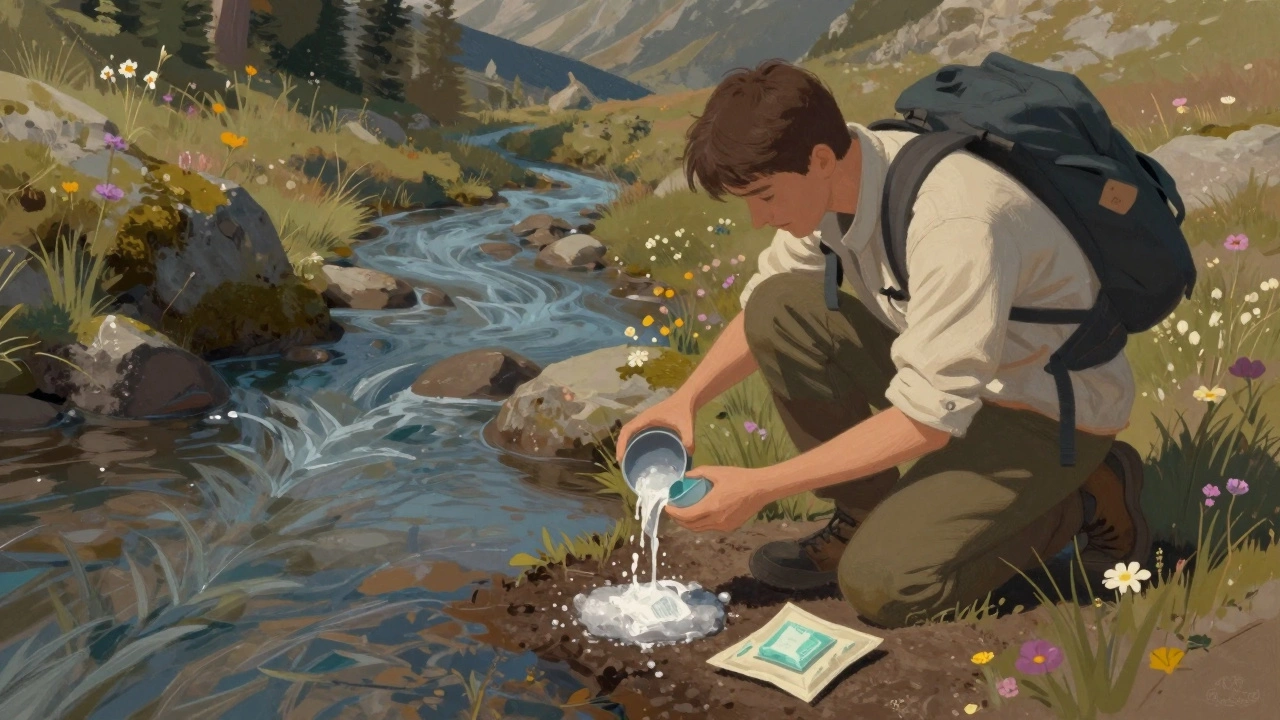
No. Even biodegradable soap harms aquatic life. Soap breaks down slowly in cold water and can disrupt the natural balance of microorganisms in streams. Always wash at least 200 feet from any water source, and use a small container to carry water away from the stream. Let it soak into the soil, not the river.
What if I’m camping in a popular spot and all the sites are taken?
Then don’t camp there. Overcrowding is one of the biggest threats to wild areas. If the designated sites are full, drive to a less-used area. Or come back another day. The goal isn’t to have a campsite-it’s to protect the land. A less popular spot might be harder to reach, but it’ll still give you the quiet you’re looking for.
Does Leave No Trace apply to winter camping?
Absolutely. Snow hides damage. That doesn’t mean it’s not happening. Your tent can crush fragile tundra plants under the snow. Your fire can burn roots that won’t show until spring. Human waste freezes in place and can contaminate melting snowpack. Winter camping demands even more care, not less.
Is glamping compatible with Leave No Trace?
Only if the glampsite is designed for it. Luxury tents with permanent floors, electricity, and hot tubs are not Leave No Trace. But if a glampsite uses solar power, composting toilets, and moves its structures seasonally to let the land rest, then yes-it can align with the principle. The key is whether the site restores the land after use, not just makes it look nice while you’re there.