Cottage Style Color Palette Generator
Select colors that embody the new cottage style's calm, natural aesthetic. The right palette creates a soothing environment that feels lived-in, not staged.
Preview Room
Select colors above to see your cottage style space
Why This Palette Works
The old cottage look-floral wallpaper, lace curtains, and too many porcelain dogs-is gone. The new cottage style isn’t about pretending you live in a 19th-century English village. It’s about comfort, calm, and a quiet kind of beauty that feels lived-in, not staged. If you’ve ever walked into a countryside home and thought, ‘I could breathe here,’ that’s the feeling this style delivers. It’s not fussy. It’s not perfect. And it’s everywhere right now-from Dublin apartments to farmhouse renovations in County Clare.
It’s Not About Vintage Replicas
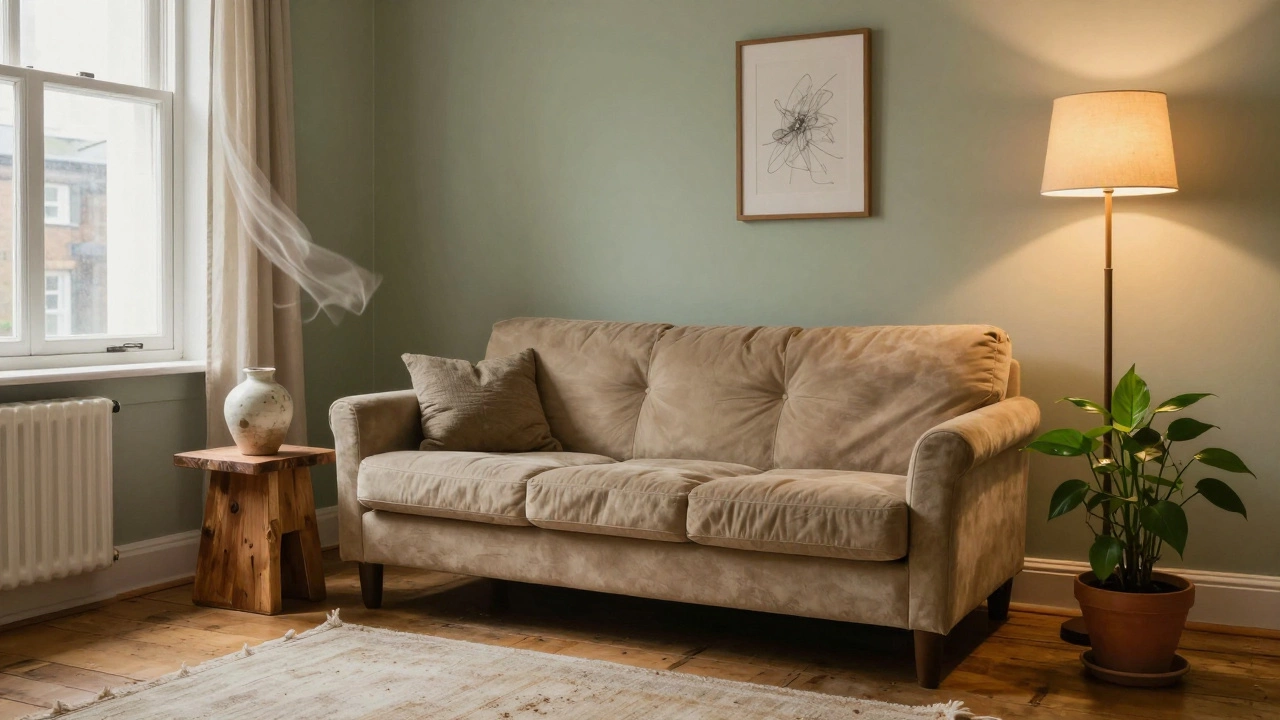
Don’t mistake the new cottage style for a museum exhibit. You won’t find matching sets of china or frilly bedspreads. Instead, think worn oak floors, soft linen that’s seen a hundred washes, and walls painted in muted tones like sage, oatmeal, or dusty blue. The color palette leans toward nature’s quietest shades-not bright pastels, but the kind of colors you see after rain: foggy greens, warm grays, and the palest yellows that mimic sunlight through old glass.
One key difference from past trends? Texture matters more than pattern. A chunky knit throw, a hand-thrown ceramic vase, a wooden stool with uneven legs-these aren’t decorations. They’re evidence of real life. People are choosing pieces that show age, not hide it. A cracked glaze on a mug? That’s a feature now. A faded rug from a flea market? That’s a treasure.
Materials That Tell a Story
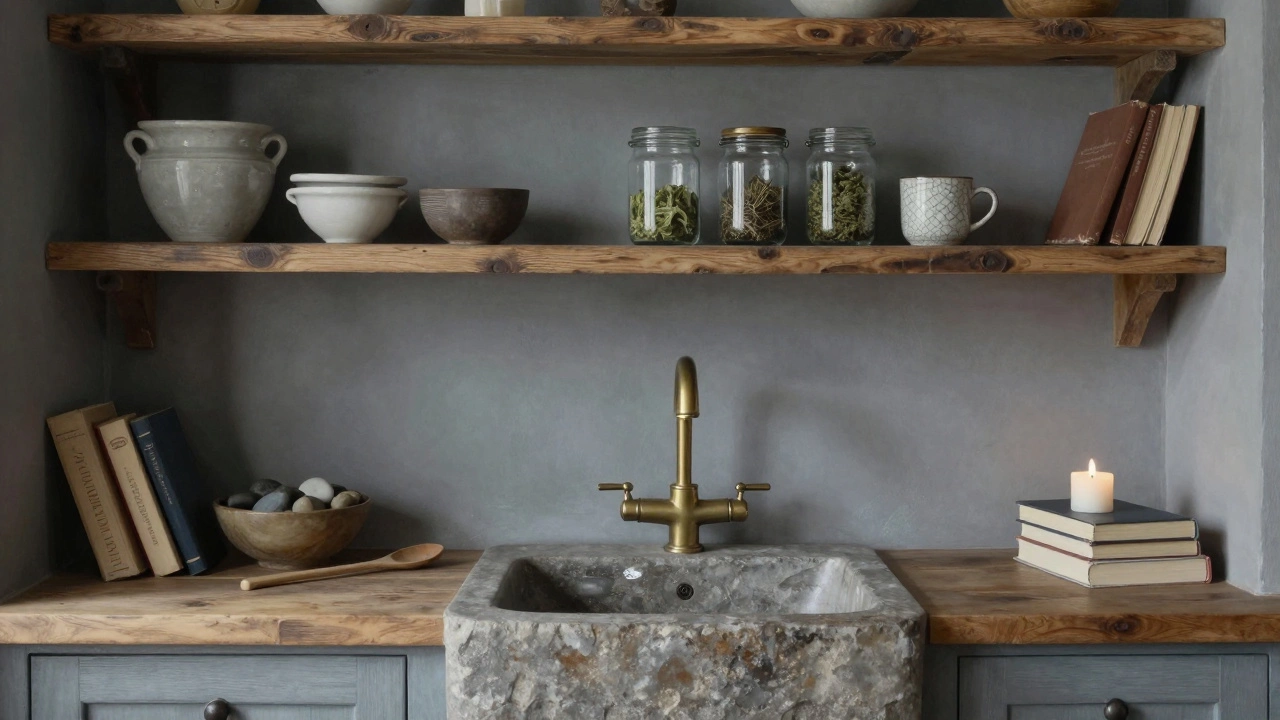
Wood is the backbone of this look. Not polished, glossy, or engineered. Think reclaimed pine, weathered oak, and even salvaged barn wood. These materials aren’t just sustainable-they’re honest. You can see the knots, the nail holes, the way the grain has changed over decades. In kitchens, you’ll find open shelving made from thick planks, holding mismatched stoneware and glass jars filled with dried herbs.
Stone is back, too. Not as a feature wall you pay extra for, but as natural accents: a rough-hewn fireplace surround, a stone sink in the bathroom, or even just a few river rocks used as bookends. The goal isn’t to impress. It’s to feel grounded.
Metal is used sparingly. Brass fixtures still show up, but they’re matte, not shiny. Iron handles on cabinet doors, simple steel candle holders, a single hanging pendant light with a wire cage-these add structure without shouting. You’ll rarely see chrome or stainless steel. They feel too cold for this style.
Furniture That Feels Like a Hug
Forget sleek lines and minimalist frames. The new cottage style loves curves, soft edges, and deep seats. Armchairs with rolled arms, tufted headboards, and sofas with slightly sagging cushions are all welcome. The rule? If it looks like you could fall asleep on it, it belongs.
Storage is hidden but smart. Built-in benches with lift-up seats for blankets, cabinets with shaker-style doors, and open shelving with baskets underneath keep clutter out of sight without feeling sterile. A side table made from an old ladder? Yes. A glass coffee table with chrome legs? No.
One thing you’ll notice in almost every room: nothing is perfectly aligned. A painting leans slightly. A rug doesn’t match the wall exactly. A stack of books sits crooked on a shelf. That’s intentional. It’s the opposite of Instagram-perfect. It’s real.
Lighting That Feels Like Warmth
Lighting is where this style really shines-literally. Harsh overhead lights are out. Instead, you’ll find layered light: a floor lamp with a linen shade, a cluster of small pendant lights over the kitchen island, candles on every available surface. Many homes now use warm-white LEDs (2700K or lower) to mimic candlelight.
Window treatments are simple. Linen curtains, slightly sheer, tied back with a length of twine. No valances. No tassels. No pleats. Just fabric that moves with the breeze. The goal is to let natural light in, not block it. Even in winter, people leave curtains open during the day. The light, even when gray, becomes part of the design.
Plants That Belong, Not Just Decorate
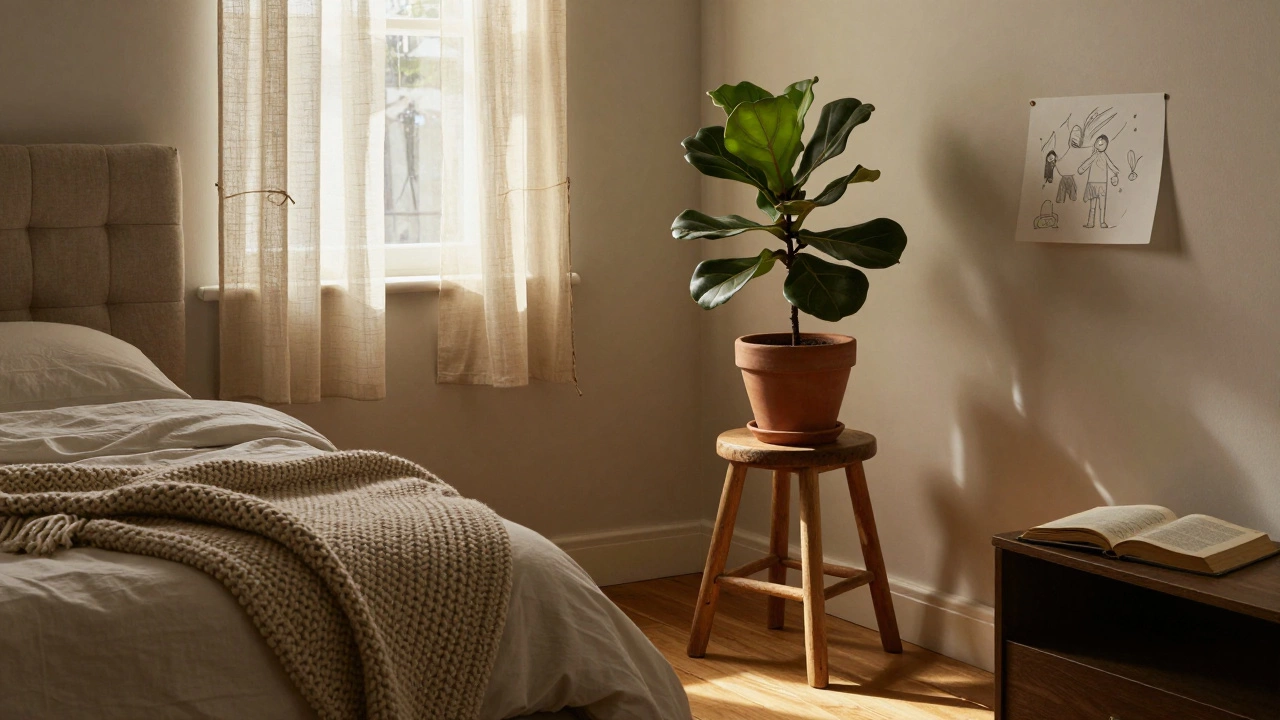
Plants aren’t an afterthought here. They’re part of the rhythm of the home. A trailing pothos in the bathroom. A fiddle-leaf fig by the window. Pots made from unglazed clay, not plastic. You’ll see herbs growing on the windowsill-not because it’s trendy, but because someone actually uses them in cooking.
And it’s okay if a leaf turns brown. A plant that’s a little tired, watered irregularly, but still green? That’s the vibe. It’s not about perfection. It’s about presence.
Why This Style Feels So Right Right Now
This isn’t just a design trend. It’s a response to how we live now. After years of digital overload, crowded cities, and constant noise, people are craving spaces that slow them down. The new cottage style doesn’t demand attention. It invites you to sit, to breathe, to stay awhile.
It’s also deeply connected to sustainability. People are choosing secondhand furniture, repairing rather than replacing, and buying local. A handmade ceramic bowl from a potter in Wicklow carries more meaning than a mass-produced one from a big-box store. That’s not just decor-it’s a value.
And it’s affordable. You don’t need to rebuild your whole house. Start with one wall. Paint it a soft gray. Swap out your lampshades. Find a secondhand armchair at a thrift store and reupholster it with linen. These small changes create a big shift in feeling.
What This Style Isn’t
It’s not farmhouse chic with its white shiplap walls and galvanized buckets. It’s not Scandinavian minimalism with its icy tones and bare floors. It’s not boho with its tapestries and hanging dreamcatchers. It’s quieter than all of them. More personal. Less performative.
You won’t find matching throw pillows in this style. You won’t see a curated ‘coffee table book’ that’s never been opened. And you definitely won’t find a ‘statement’ piece that costs more than your monthly rent.
How to Start Today
If you want to bring this style into your home, don’t go shopping. Go looking. Walk through flea markets. Visit local artisans. Check out community buy-sell-trade groups. Look for things that feel worn in the right way-like they’ve been loved.
Here’s where to begin:
- Paint one wall in a muted earth tone. Try Farrow & Ball’s Setting Plaster or Benjamin Moore’s Revere Pewter.
- Replace one harsh light with a warm, fabric-shaded lamp.
- Find a secondhand wooden stool or side table. Leave it as-is-don’t refinish it.
- Add a single plant with a simple clay pot.
- Hang one piece of art that means something to you, even if it’s a sketch from your child.
That’s it. You don’t need to do everything at once. The new cottage style grows slowly, like moss on a stone wall. It gets better with time.
Final Thought: It’s Not About Style. It’s About Feeling.
The new cottage style doesn’t ask you to buy more. It asks you to feel more. To notice the way sunlight hits the floor in the afternoon. To hear the wind through the curtains. To sit quietly with a cup of tea and not feel guilty for doing nothing.
That’s the real shift. This isn’t decoration. It’s a way of living.
Is the new cottage style the same as farmhouse style?
No. Farmhouse style leans into white, clean lines, and industrial touches like exposed beams and galvanized metal. The new cottage style is softer, warmer, and more personal. It uses muted colors, natural textures, and imperfect details. Farmhouse feels curated. Cottage feels lived-in.
Can I do this style in a small apartment?
Absolutely. The new cottage style works best in small spaces because it’s about calm, not clutter. Paint one wall a soft color. Add a secondhand armchair. Use linen curtains. A few plants and warm lighting make a big difference. You don’t need a porch or a garden-just the right mood.
What colors work best in the new cottage style?
Think nature’s quietest tones: sage green, oatmeal, dusty blue, warm gray, and pale butter yellow. Avoid bright whites and neon pastels. The goal is to create a soothing backdrop, not a bold statement. Paint samples should look different at different times of day-that’s a good sign.
Do I need to buy new furniture?
No. In fact, buying new goes against the spirit of this style. Look for secondhand pieces at thrift stores, estate sales, or online marketplaces. A wooden chair with worn paint, a side table with a history, a rug that’s faded from sunlight-these carry more character than anything new. Repair, reupholster, or repaint if needed. The imperfections are the point.
Is this style expensive to achieve?
Not at all. You can start for under €100. A can of paint, a secondhand lamp, a thrifted plant pot, and a linen throw can transform a room. The most expensive thing isn’t the materials-it’s the time you spend looking for the right pieces. But that’s part of the process. The slower you go, the more it feels like home.