All-Inclusive Dining Value Estimator
Your Trip Details
Estimated Value Analysis
Stick to the main buffet for 100% unlimited, free eating without reservation stress.
Check your visit limits per stay to avoid unexpected dinner surcharges.
Order the "Drink of the Day" to ensure it's included regardless of the ingredients.
Quick Takeaways
- Most resorts offer three main meals (breakfast, lunch, dinner) plus snacks.
- The "buffet" is usually the safest bet for free, unlimited eating.
- "A la carte" restaurants often have limits or extra fees.
- Drinks are usually included, but "premium" labels often cost more.
- Check the "fine print" for specific dining hours and reservation requirements.
The Standard Three-Meal Framework
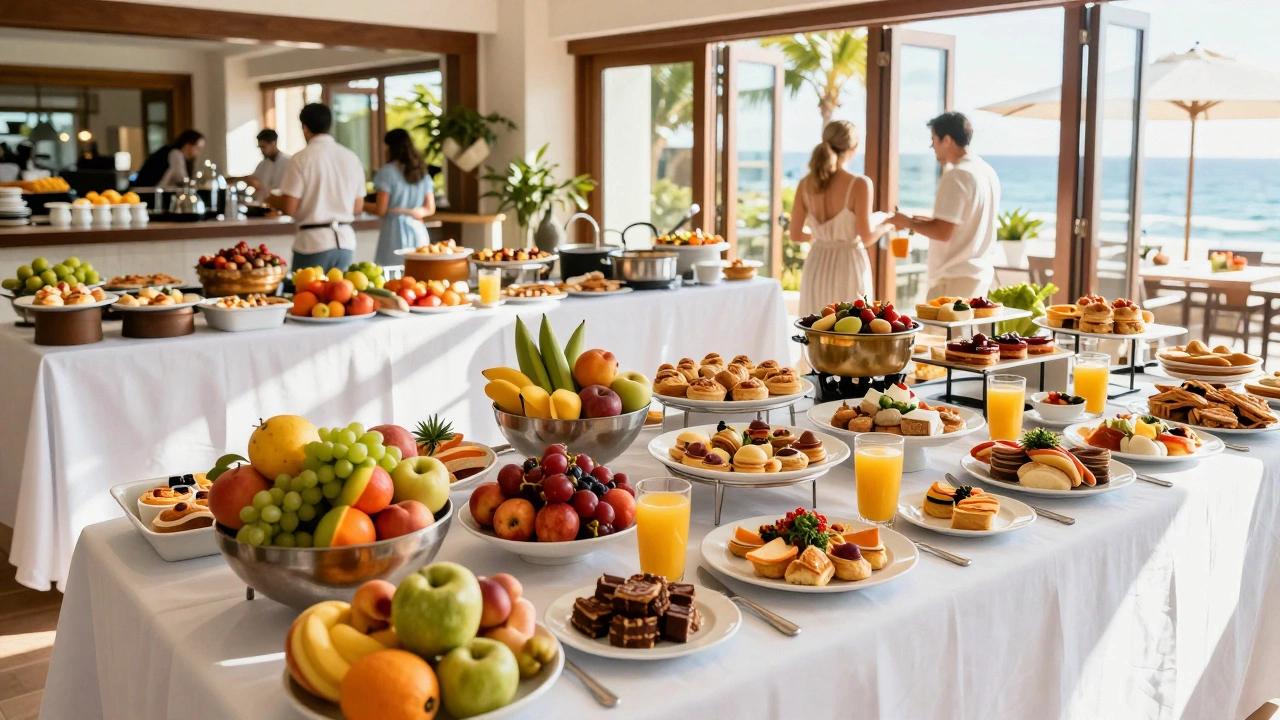
In the vast majority of all-inclusive meals is a dining arrangement where the cost of breakfast, lunch, and dinner is bundled into the room price. This is the baseline. You'll typically find a massive breakfast spread from 7 AM to 10 AM, a mid-day lunch, and a dinner service starting around 6 PM. However, treating this like a strict schedule is a mistake. Modern resorts understand that people vacation on different clocks. If you sleep until noon, you aren't suddenly banned from eating; you'll just find yourself at the snack bar or the lunch buffet.
But here is the catch: the location of these meals matters. Most of the time, these three main meals happen in a centralized buffet. The buffet is the engine room of the resort. It's where the variety is highest and the restrictions are lowest. If you stick to the buffet, you can generally eat as much as you want, as often as you want, within the operating hours.
The Snack Bar and Mid-Meal Grazing
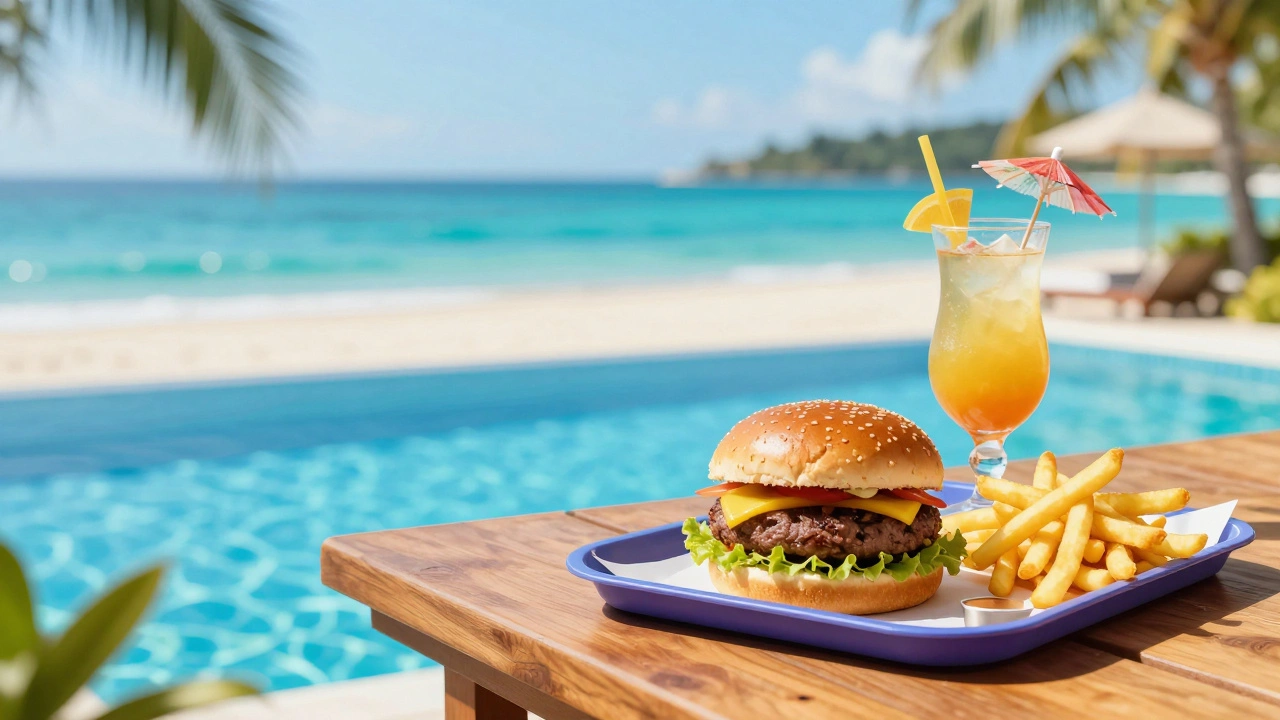
If you only ate three times a day, you'd be missing out on a huge part of the experience. Most resorts provide what they call "intermittent dining" or snack services. This usually means a Snack Bar near the pool or beach that serves burgers, fries, tacos, or ice cream between 11 AM and 4 PM, and again in the late afternoon. These are technically "extra" meals. If you're the type of person who prefers five small meals over three big ones, these stations are your best friend.
Depending on the resort's star rating, these snacks can range from basic vending-machine quality to gourmet street food. For example, a high-end resort in Cancun might have a dedicated ceviche station by the water, whereas a budget-friendly spot in the Dominican Republic might offer pre-packaged sandwiches. Either way, these are almost always included in your package and don't count toward your "three main meals."
The A La Carte Trap
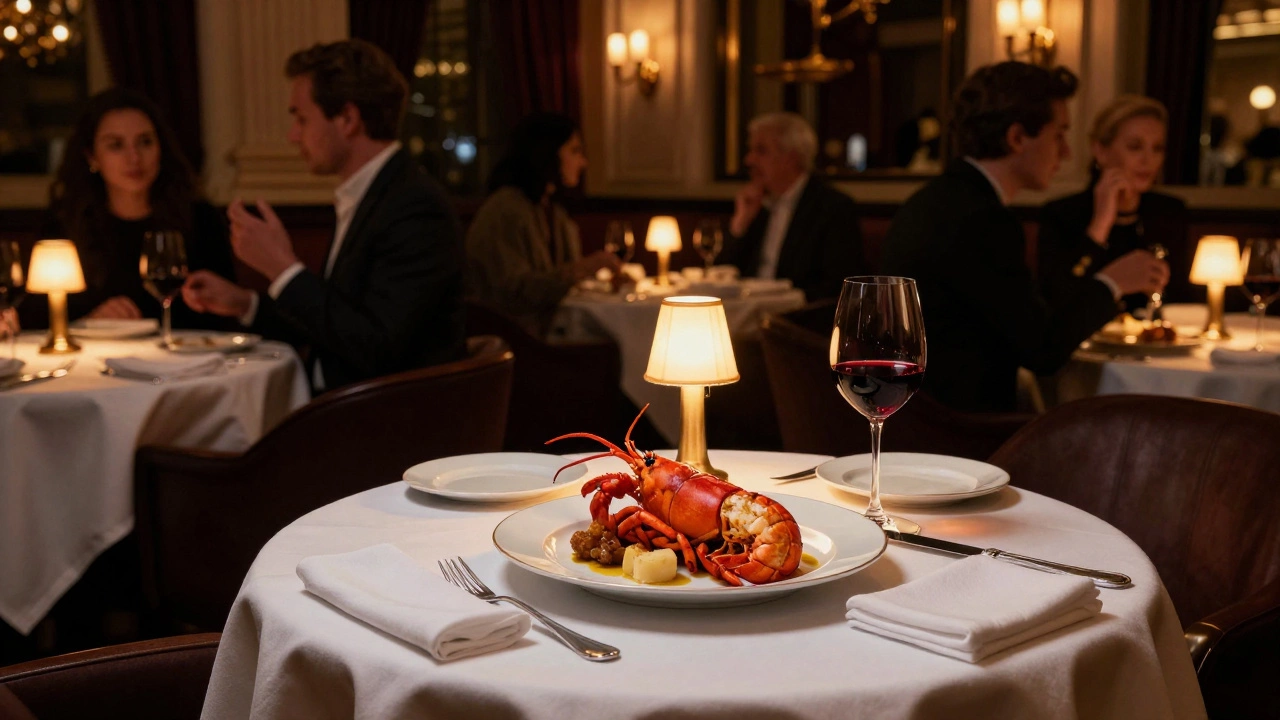
This is where things get confusing. Many resorts boast about having five or six different restaurants-Italian, Japanese, Steakhouse, and so on. These are A la Carte restaurants, meaning you order from a menu rather than piling food onto a plate. While these are often listed as "included," they usually come with strings attached.
Common restrictions include:
- Visit Limits: You might only be allowed to eat at the specialty restaurant once every three days.
- Reservations: You may need to book your slot at 8 AM in the morning, or you'll be sent back to the buffet.
- Surcharges: Some "premium" items, like Wagyu beef or fresh lobster, might carry a supplement fee even in an all-inclusive setting.
- Dress Codes: Some of these venues require "smart casual" attire, meaning no swimwear or flip-flops.
| Feature | Main Buffet | Snack Bar / Poolside | A La Carte / Specialty |
|---|---|---|---|
| Availability | Fixed meal times | Throughout the day | By reservation |
| Quantity | Unlimited | Usually unlimited | Set portions |
| Cost | Fully Included | Fully Included | Included (with limits) |
| Variety | High (Many options) | Low (Fast food) | Medium (Specific cuisine) |
Room Service and Late-Night Cravings
If you're wondering about the 2 AM craving for a club sandwich, check your package level. Basic all-inclusive deals rarely include Room Service. If you order a burger to your room at midnight, you'll likely see a charge on your bill at checkout. However, "Ultra All-Inclusive" or "Platinum" packages often include 24-hour room service or at least a limited midnight menu.
Some resorts also have a dedicated "Late Night" spot-maybe a lounge or a small deli-that stays open until 3 AM. These are usually included, but the menu is sparse. If you want the full luxury experience where you can eat whatever you want, whenever you want, without leaving your bed, you need to verify the specific tier of your booking. A standard "All-Inclusive" and a "Luxury All-Inclusive" are two very different beasts when it comes to the mini-bar and room dining.
The Drink Connection
You can't talk about meals without talking about what you're drinking with them. Most packages include "house" wines, local beers, and soft drinks. But if you're looking for a specific brand of champagne or a high-end scotch, you're moving into the territory of Premium Spirits. These are almost never included in the base price. You'll often see a separate "Premium Menu" at the bar with prices listed per glass.
A pro tip: if you're at a resort in Mexico or the Caribbean, the "drink of the day" is usually free, regardless of the ingredients. If you want the fancy stuff, ask the bartender what the house specials are before you order a drink that might cost you $15 extra.
Avoid These Common Dining Mistakes
The biggest mistake people make is assuming "all-inclusive" means "everything is free." To avoid surprise charges, keep these rules of thumb in mind. First, always ask, "Is this included in my package?" before ordering something that looks fancy. Second, don't rely solely on the buffet. While it's the safest bet, the a la carte options are usually higher quality, even if they require a bit more planning.
Also, be mindful of the "hidden" costs. Some resorts charge for specialty coffee (like lattes or cappuccinos) even if basic black coffee is free. Others might charge for fresh-squeezed orange juice while the carton-poured version is free. It sounds petty, but those $5 charges add up over a seven-day trip.
Can I eat at the buffet more than three times a day?
Generally, yes. Most resorts do not count your visits. As long as the buffet is open for a specific meal period (e.g., lunch), you can go back for seconds or thirds. However, you cannot usually go to the breakfast buffet during dinner hours.
Are drinks really included with every meal?
Standard house drinks, water, and sodas are included. However, imported brands, top-shelf liquor, and some specialty cocktails often carry an extra cost. Always check the drink menu for a "Premium" section.
Do I have to pay for a la carte restaurants?
In most cases, the meal itself is included, but there may be limits on how many times you can visit per stay. Some ultra-luxury resorts offer completely free unlimited a la carte dining, while budget options might charge a flat fee for the "experience."
Is room service ever free in all-inclusive hotels?
Only if you have a premium or "Ultra" package. For most standard all-inclusive guests, room service is an additional charge. You can check your room's dining directory to see which items (if any) are complimentary.
What happens if I miss the breakfast window?
You won't starve. While the main breakfast buffet closes, most resorts have a continental breakfast option or a snack bar that opens shortly after. You can also usually find coffee and light pastries in the lobby area.
What to Do Next
Before you head to the airport, do a quick search for your specific hotel on travel forums. Look for recent reviews from guests who mention the food. They'll tell you if the a la carte restaurants are actually worth the effort or if the buffet is the only place with edible food. If you have dietary restrictions, email the hotel a week before you arrive; most all-inclusive resorts are great at accommodating allergies if they have a heads-up.