Eco-Friendly House Builder Finder
Priorities
Select your priorities and click calculate to see the best construction method for your needs.
You look at an empty plot of land and imagine a home. But then you think about the paperwork, the builders, the weather delays, and the skyrocketing costs. It’s enough to make you want to just buy a tent. The truth is, not all houses are created equal when it comes to difficulty. Some are nightmares of complex engineering; others are surprisingly straightforward.
If you want the easiest type of house to build, you need to strip away complexity. You aren't looking for a castle with Gothic arches and custom stone masonry. You are looking for speed, simplicity, and efficiency. In 2026, the answer isn't one single method, but a combination of design choices and construction techniques that prioritize standardization over customization. For those interested in sustainable living, this often points directly toward modern eco-friendly cottages.
The Case for Simplicity: Why Less Is More
Complexity is the enemy of easy building. Every unique angle, every custom window size, and every non-standard material choice adds time and cost. The easiest houses to build share three traits: rectangular or square footprints, minimal roof complexity, and standardized materials.
Think about it. A square box requires four walls and a flat or simple pitched roof. The math is easy for the builder, which means fewer mistakes and faster completion. This principle applies whether you are pouring concrete or stacking straw bales. By reducing the number of variables, you reduce the risk of delays. In Ireland, where rain can halt construction sites for weeks, a simple envelope that goes up quickly is a massive advantage.
Modular and Prefabricated Homes: Building Like Lego
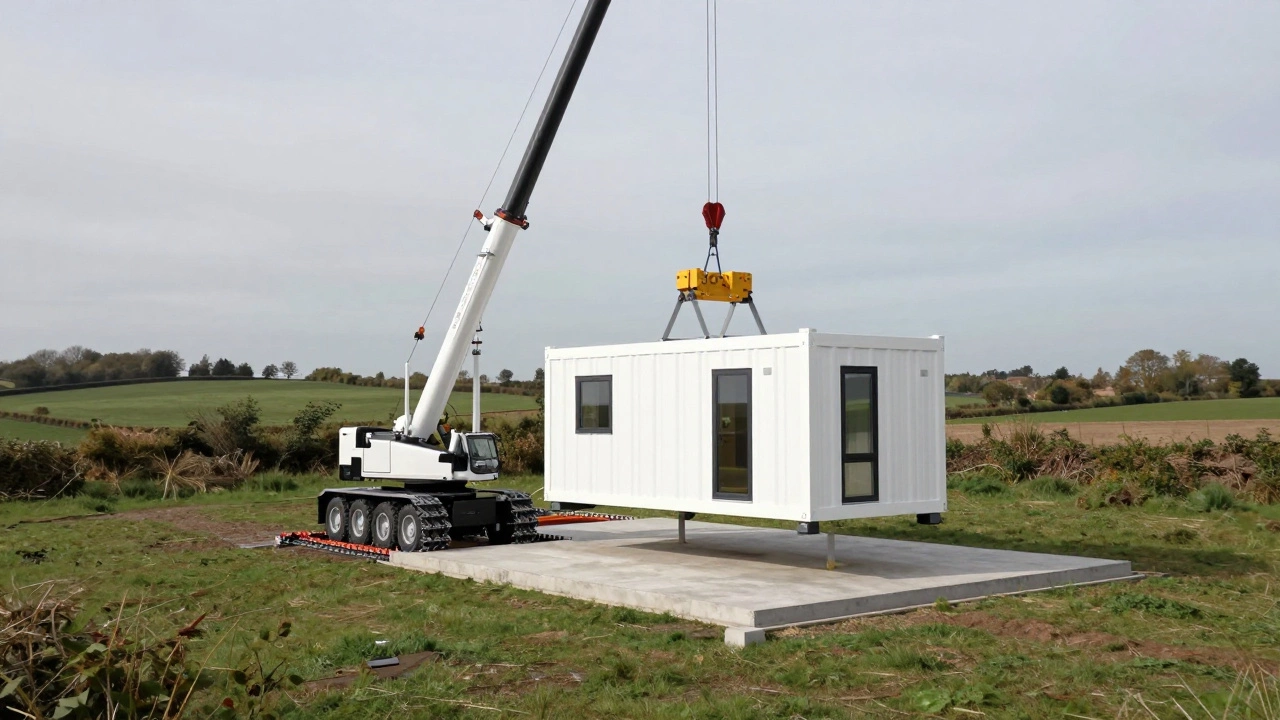
Modular homes are houses built in sections inside a factory and then assembled on-site. This is arguably the fastest way to get keys. While traditional construction relies on weather-dependent tradespeople showing up day after day, modular construction happens in a controlled environment. Workers don’t wait for the rain to stop. They work on assembly lines.
The process works like this:
- A site team prepares the foundation (usually a simple raft or pile foundation).
- Factory teams build the modules (rooms) simultaneously.
- Crane operators lift the modules onto the foundation.
- Crews connect the utilities and seal the joints.
This method cuts build times by up to 50%. What takes six months on-site might take six weeks from crane drop to move-in. The downside? You have less control over the final tweaks once the design is locked. You must decide early, and changes are expensive. But if your goal is ease and speed, modular is hard to beat.
Timber Frame Construction: The Traditional Favorite
Timber frame construction is a structural system using wood posts and beams to support the weight of the building. In the UK and Ireland, this is the dominant method for a reason. Wood is lightweight, renewable, and incredibly versatile. Unlike steel, which can warp or rust, or concrete, which requires heavy machinery, timber can be handled by smaller crews with basic tools.
Modern timber framing has evolved into timber panel systems. Instead of building walls stick-by-stick on site, panels are pre-cut in a workshop. These panels arrive on trucks and are lifted into place. The result is a watertight shell in days, not weeks. This speed protects the interior from moisture damage, a critical factor in damp climates. Timber also offers excellent insulation properties, aligning well with energy efficiency goals.
Eco-Friendly Cottages: Sustainable and Simple
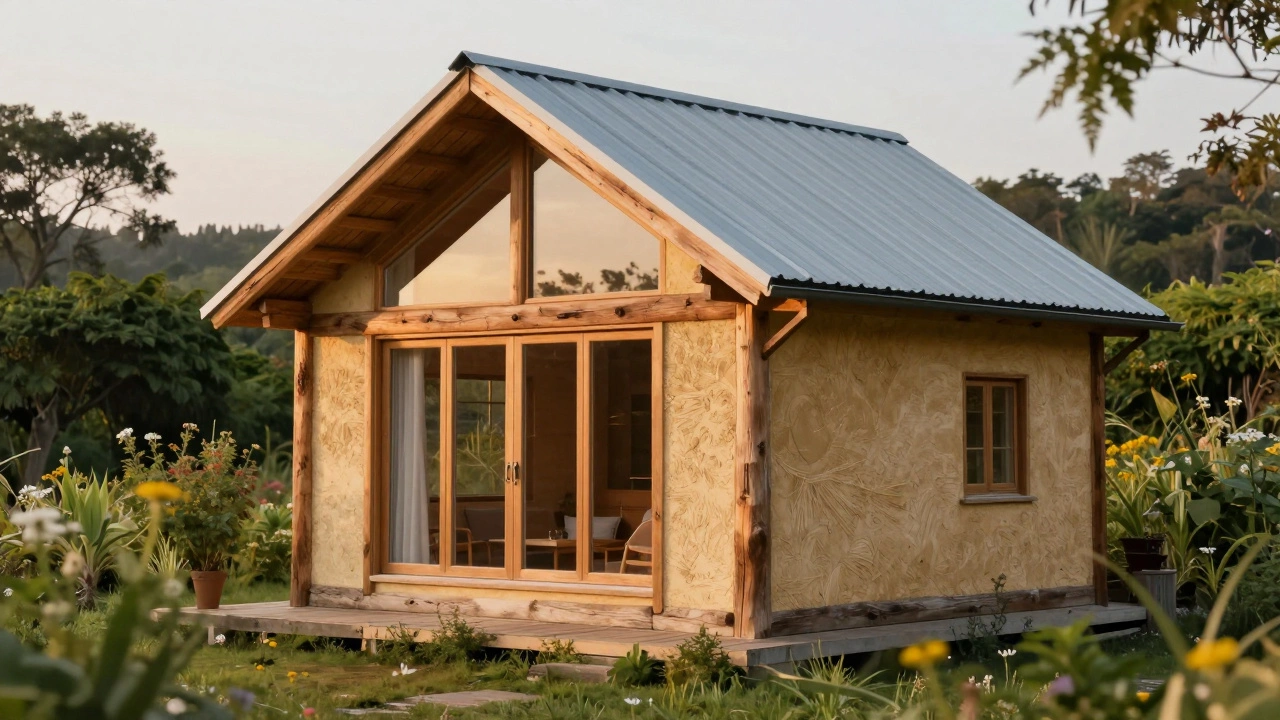
When people ask for the easiest house to build, they often overlook Eco-friendly cottages. These small, efficient homes use natural materials and passive design principles to minimize environmental impact while simplifying construction. A cottage is inherently easier to build than a mansion. Smaller footprint means less foundation work, less roofing, and less wiring.
Common eco-friendly materials include:
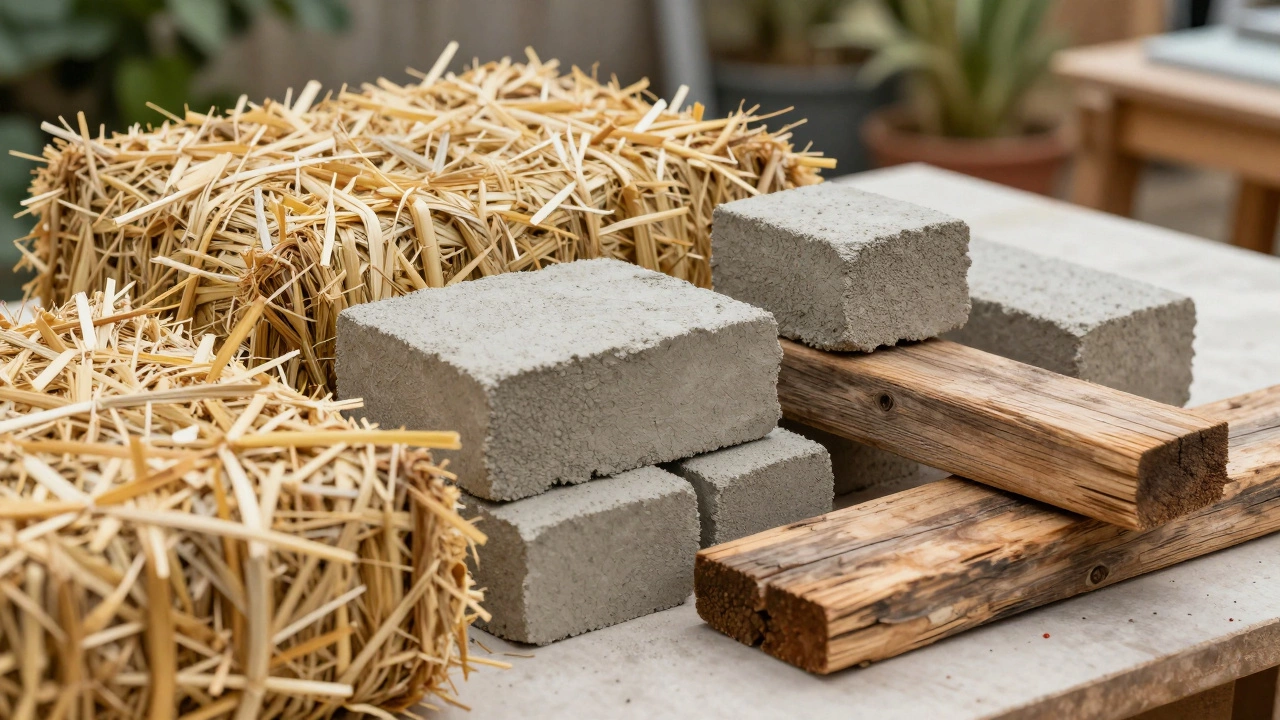
- Straw bale: Insulating blocks made from agricultural waste. They are cheap, locally sourced, and easy to stack. However, they require careful plastering to prevent fire and moisture issues.
- Hempcrete: A biocomposite made of hemp hurds and lime. It’s breathable, carbon-negative, and acts as both structure and insulation. It doesn’t dry quickly, so it needs time to cure.
- Reclaimed wood: Using old barn beams or pallets reduces waste and cost. It adds character but requires more labor to sort and treat.
An eco-friendly cottage often uses a passive solar design. Large south-facing windows capture heat in winter, while overhangs block summer sun. This reduces the need for complex HVAC systems. Simpler mechanical systems mean fewer things to break and lower maintenance costs.
| Type | Build Speed | Cost Efficiency | Customization | Best For |
|---|---|---|---|---|
| Modular Home | Very Fast | High | Low | Speed seekers |
| Timber Frame | Fast | Medium | Medium | Balanced approach |
| Eco Cottage | Medium | Variable | High | Sustainability focus |
| Concrete Block | Slow | Low | High | Durability focus |
The Foundation: Don't Overcomplicate the Base
Your foundation supports everything above it. If you choose a complex basement with retaining walls, you’ve already added months to the project. The easiest foundations are raft slabs or pile foundations.
A raft slab is a single thick concrete sheet that spreads the load evenly. It’s ideal for stable soil. No digging deep trenches means less excavation cost. Pile foundations involve driving columns into the ground until they hit bedrock or stable soil. The house sits on top. This is great for sloping sites or unstable ground. Both methods avoid the hassle of brickwork below ground level, which is prone to dampness and repair headaches.
Roofing Choices: Keep It Flat or Steeply Pitched
Roofs leak. Complex roofs leak more. A simple gable roof (two slopes meeting at a ridge) is the easiest to install. It sheds water efficiently and requires minimal flashing. Flat roofs are popular in modern designs but require meticulous waterproofing. One bad seam can cause internal damage. If you want ease, stick to a pitched roof with standard tiles or metal sheets. Metal roofs are lightweight, durable, and can be installed quickly by a small crew.
Navigating Permissions and Regulations
In many regions, including Ireland, planning permission can be a bottleneck. However, some house types fall under permitted development rights or simplified approval processes. Small eco-cottages, especially those under 40 square meters, may qualify for exemptions if they meet specific criteria. Always check local zoning laws. Building within existing envelopes (like renovating a barn) is often easier than new builds on greenfield sites.
Regulations also favor energy efficiency. Modern standards require high insulation values. Eco-friendly materials like hempcrete and straw bale naturally meet these standards without expensive synthetic foams. This alignment between regulation and material choice makes eco-cottages a smart regulatory play.
DIY vs. Professional Builders
Can you build it yourself? Yes, but with caveats. Structural elements (foundation, frame, roof) usually require certified professionals due to safety codes. However, interior finishes, landscaping, and even some wall installations can be DIY. Straw bale stacking is a popular community-building activity. Many groups host "build days" where volunteers help raise walls. This reduces labor costs and creates social bonds.
If you hire builders, choose those experienced in your chosen method. A bricklayer won’t necessarily know how to handle hempcrete. Specialized contractors understand the nuances of breathability and moisture management in eco-homes.
Cost Considerations: Hidden Expenses
"Easy" doesn't always mean "cheap." Modular homes have predictable pricing because factories optimize material usage. Traditional builds often face cost overruns due to weather delays and change orders. Eco-materials can be cheaper (straw) or more expensive (high-performance glazing). Factor in:
- Site preparation: Drilling, leveling, access roads.
- Utilities: Connecting to grid or installing solar/wind.
- Finishes: Flooring, kitchen, bathrooms.
A simple design keeps these costs down. Fancy fixtures add up fast. Stick to essential amenities initially.
Is a modular home really easier than a traditional build?
Yes, primarily due to speed and reduced weather dependency. Factory production ensures quality control and consistency. On-site assembly is quick, minimizing disruption and exposure to elements. However, logistics and precise site preparation are critical.
What is the cheapest material to build a house with?
Straw bale and reclaimed wood are among the cheapest, especially if sourced locally. Concrete blocks are low-cost but labor-intensive. The total cost depends on labor rates and availability of materials in your region.
Do eco-friendly cottages require special maintenance?
Not significantly. Natural materials like lime plaster and wood breathe better, reducing moisture buildup. Regular inspection of seals and joints is important. Avoid synthetic paints that trap moisture.
Can I build an eco-cottage myself?
You can participate heavily, especially in non-structural tasks. Structural integrity must comply with building codes, usually requiring professional oversight. Community builds are common for straw bale projects.
How long does it take to build a simple house?
A modular home can be ready in 4-8 weeks post-foundation. A timber frame eco-cottage might take 3-6 months depending on weather and crew size. Planning and permits add several months before breaking ground.