Eco-Friendly Site Suitability Calculator
Suitability Score
Please select options below
Configure your site characteristics to see how well it supports eco-friendly building.
Imagine standing on a plot of land that doesn't just support your home but actively helps it thrive. The sun hits the south-facing slope at the perfect angle. The wind flows gently through the trees, cooling your rooms in summer. The soil is stable, and the neighbors are supportive. This isn't a fantasy; it's the result of choosing the right location before you even lay a single brick.
Many people think being eco-friendly is all about solar panels and recycled materials. While those matter, they are secondary to one huge factor: location. A poorly placed house with high-tech green features will always use more energy than a well-placed simple home. If you want to build a truly sustainable cottage or house, where you build it matters more than what you build it with.
The Power of Microclimates
You might not realize it, but the temperature can vary by several degrees between two houses just a mile apart. These small-scale weather patterns are called microclimates, and they are your best friend in eco-friendly building.
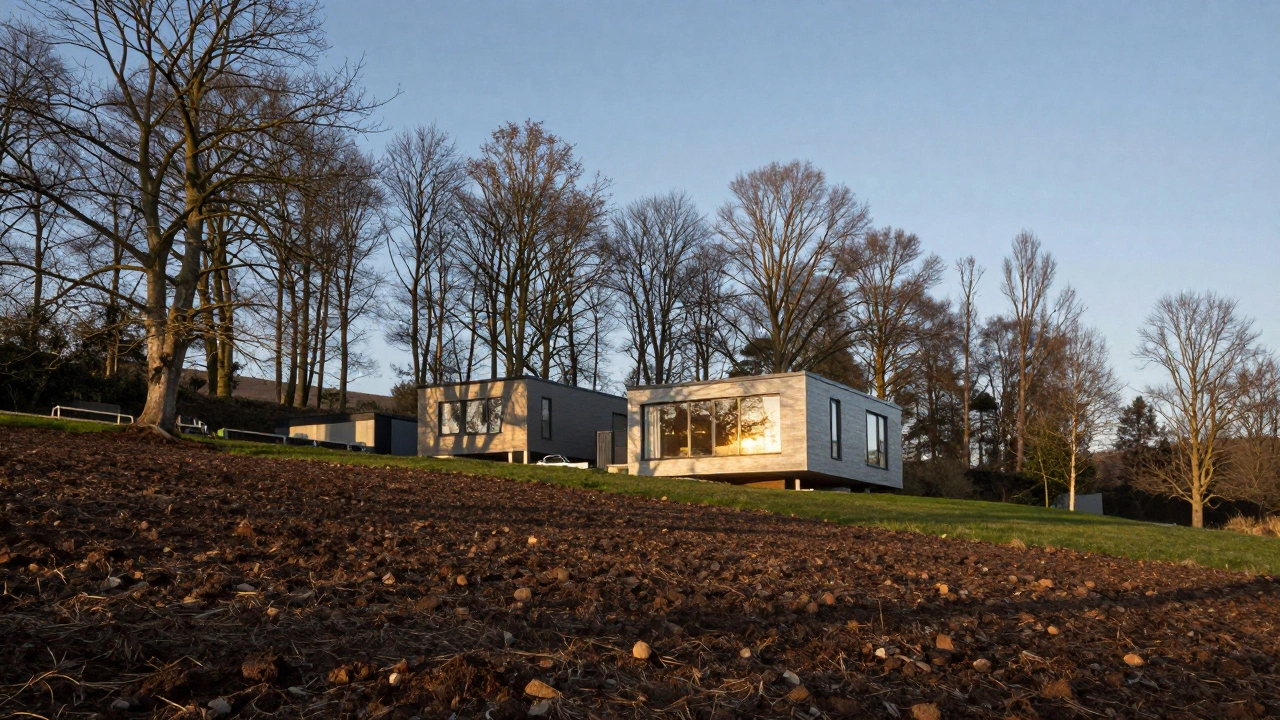
In the Northern Hemisphere, like here in Ireland or across the UK, you want a site that faces south. Why? Because the sun travels across the southern sky. A south-facing slope captures maximum sunlight during winter when you need heat, and the low angle of the sun allows deep overhangs to block the harsh summer rays. This is called passive solar design. It’s free heating and cooling if you get the orientation right.
Conversely, north-facing slopes stay cooler and shadier. They’re great for storing root vegetables or keeping your compost cool, but terrible for warming your living room. If you have a choice, pick the sunny side of the hill. Check the topography map of your potential land. Look for gentle southern slopes rather than steep northern ones. You’ll save thousands in heating bills over the life of the house.
Wind Protection and Natural Ventilation
Wind is a double-edged sword. In winter, it strips heat from your walls. In summer, it can cool down overheated rooms. The key is control.
Look for natural windbreaks. A line of mature trees on the north or west side of your property acts as a barrier against cold winds. This reduces the 'wind chill' effect on your house, meaning your insulation works harder for less effort. However, don’t plant tall trees on the south side-they’ll block your precious winter sun.
For summer cooling, you want cross-ventilation. Your house should be positioned so that prevailing breezes can flow through it. If your land is flat and open, you might need to create artificial windbreaks with hedges or fences. But if the land naturally funnels air toward your building site, you’ve got a gift. Think of your house as a sailboat; you want to catch the breeze, not fight it.
Soil Stability and Drainage
Eco-friendly building also means respecting the land. Building on unstable soil leads to cracks, repairs, and wasted resources. You need solid ground.
Avoid areas prone to flooding. Even if you raise the foundation, flood zones bring humidity, mold risk, and insurance nightmares. Check historical flood maps for your region. Also, look at drainage. Water should flow away from your house naturally. If the land is a bowl that collects rain, you’ll spend years pumping water out. That’s not sustainable.
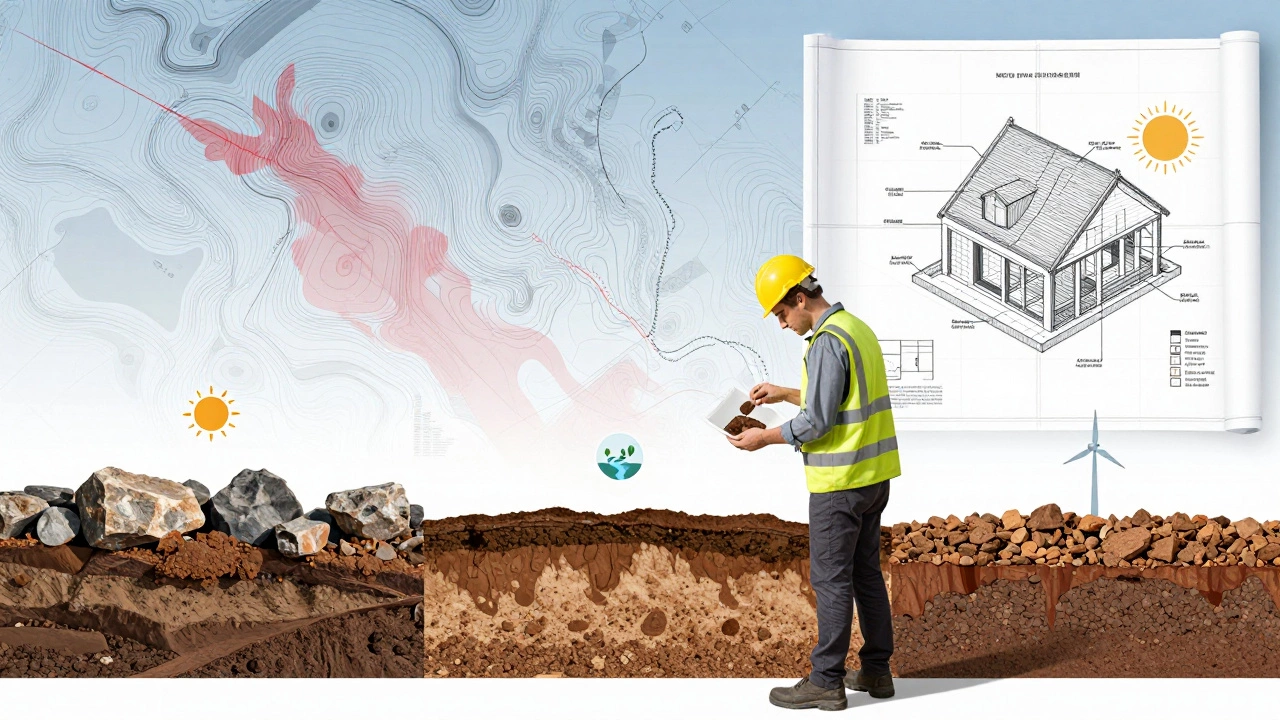
Clay soils expand and contract with moisture, which can shift foundations. Sandy soils drain well but may lack stability. Loam is often the sweet spot. Before buying land, hire a geotechnical engineer for a soil test. It costs a few hundred pounds now but saves tens of thousands later. It’s the most boring part of planning, but it’s crucial for longevity.
Proximity to Amenities and Services
An eco-friendly house isn’t just about the building; it’s about your lifestyle. If you build off-grid in the middle of nowhere, you’ll likely drive everywhere. That carbon footprint cancels out any energy savings from your solar panels.
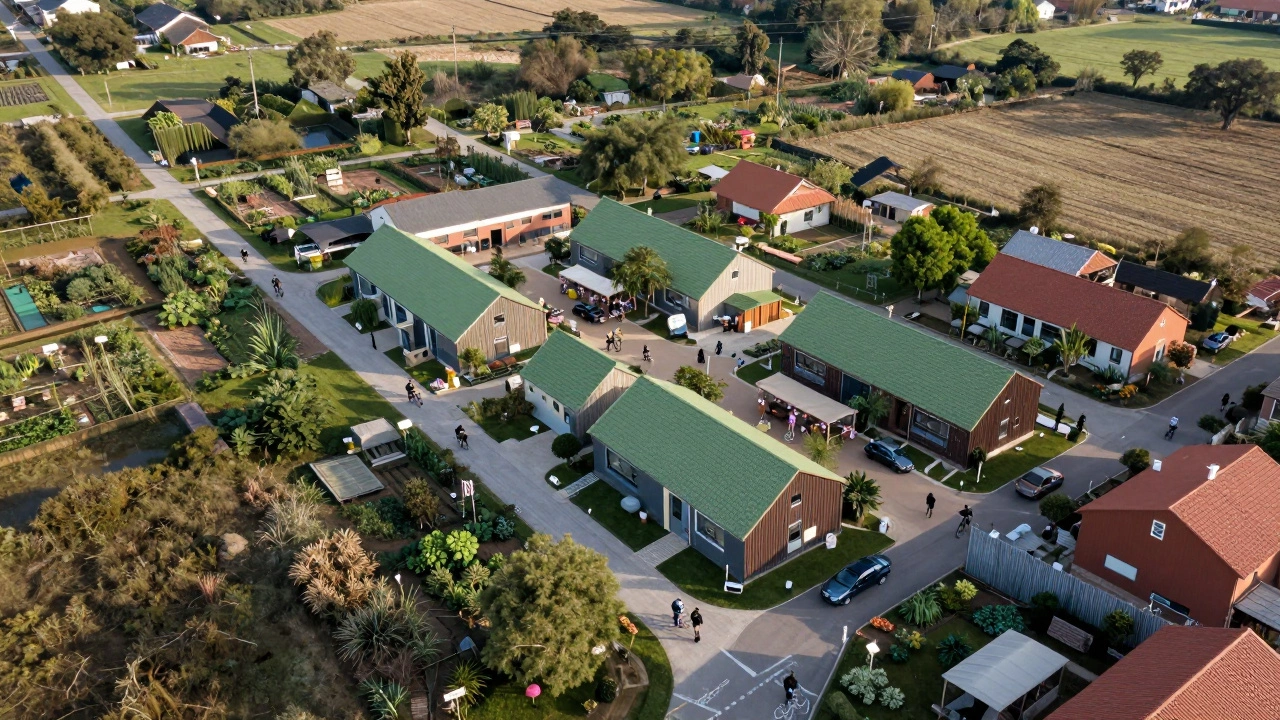
The best location is within walking distance or a short bike ride to shops, schools, and public transport. This is known as 'transit-oriented development.' It reduces reliance on cars. Look for plots near existing communities rather than isolated wilderness. You want neighbors who share your values, local farmers markets for fresh food, and easy access to work without a daily commute.
Consider the '15-minute city' concept. Can you reach everything you need within 15 minutes of walking or cycling? If yes, that’s a goldmine location. It promotes health, community connection, and lower emissions. Isolation feels romantic until you need a plumber or groceries in the rain.
Local Regulations and Community Support
You can have the perfect land, but if the local council says no, you’re stuck. Research zoning laws early. Some areas restrict new builds to protect rural character or wildlife habitats. Others encourage green building with incentives.
Talk to neighbors. Are they supportive of eco-friendly projects? Or do they fear change? A hostile community can delay permits and increase stress. Look for areas with a history of accepting alternative housing, like tiny homes, modular cottages, or passive houses. In places like Dublin or other progressive cities, there’s growing acceptance. In conservative rural areas, you might face more hurdles.
Check for infrastructure availability. Do you have access to mains electricity, water, and sewage? Connecting to these services is often cheaper and more reliable than going fully off-grid. Hybrid systems-connected to the grid but with solar backup-are becoming the norm. They offer security without sacrificing sustainability.
Comparison of Ideal Site Features
| Feature | Ideal Condition | Why It Matters |
|---|---|---|
| Slope Orientation | South-facing (Northern Hemisphere) | Maximizes passive solar gain for winter heating |
| Wind Exposure | Sheltered from north/west, open to summer breezes | Reduces heating load and enables natural cooling |
| Soil Type | Stable loam or rock, good drainage | Prevents foundation damage and mold issues |
| Proximity to Town | Within 15-minute walk/bike of amenities | Lowers transport emissions and increases convenience |
| Vegetation | Mature trees on north/west, clear south | Natural windbreaks without blocking sunlight |
Renewable Energy Potential
Your location dictates how much renewable energy you can generate. Solar power needs unobstructed sunlight. Wind turbines need consistent airflow. Hydro power needs flowing water.
If you’re relying on solar, check for shading from nearby buildings or hills. Use tools like PVWatts to estimate solar production for specific addresses. In Ireland, we get decent solar despite the clouds because of long summer days. But if your land is in a valley surrounded by high peaks, solar might not be viable.
Wind is trickier. You need average wind speeds above 6 meters per second to make small turbines worthwhile. Coastal areas and ridges are ideal. Flat inland plains are usually too calm. Don’t install a turbine unless you’ve measured wind data on-site for at least a year. Many people buy them based on guesswork and end up with expensive paperweights.
Hydro is rare but powerful. If your land has a stream with consistent flow and drop, you could generate significant power. But environmental regulations are strict. You’ll need permits to ensure fish migration and water quality aren’t harmed. It’s worth investigating if you have the resource, but don’t count on it unless you’re sure.
Water Availability and Management
Water is life, and it’s getting scarcer. An eco-friendly house must manage water wisely. First, check if mains water is available. If not, you’ll need a well or rainwater harvesting system.
Rainwater harvesting works best in areas with regular rainfall. Ireland is perfect for this. Collecting roof runoff can provide non-potable water for toilets, laundry, and irrigation. But you need storage tanks sized correctly for your climate and usage.
Greywater recycling is another option. This involves reusing water from sinks and showers for garden irrigation. It reduces demand on fresh water supplies. Check local codes; some areas restrict greywater use due to health concerns. But where allowed, it’s a huge step toward sustainability.
Also, consider groundwater levels. High water tables can cause dampness in basements. Low water tables mean deeper wells, which cost more to drill. Understanding your local hydrology helps you design appropriate drainage and water systems.
Next Steps for Finding Your Plot
Finding the perfect spot takes time and research. Start by mapping out your priorities. Is solar exposure more important than proximity to town? Do you need large acreage for farming, or are you happy with a small urban infill lot?
Visit potential sites at different times of day. Watch how the sun moves. Note where the wind comes from. Talk to locals about flooding history. Hire professionals for soil and survey tests. Don’t rush into a purchase based on pretty views alone.
Once you find a promising plot, consult with an architect experienced in passive house or net-zero design. They can help optimize the house layout for the specific conditions of the land. A good designer turns a challenging site into an opportunity.
Building an eco-friendly house is a journey. Choosing the right location is the first and most critical step. Get it right, and the rest becomes easier. Get it wrong, and you’ll spend your life compensating for nature’s indifference.
What is the most important factor in choosing a location for an eco-friendly house?
Orientation is key. A south-facing slope in the Northern Hemisphere maximizes passive solar gain, reducing heating needs significantly. Combined with proper wind protection, this creates a comfortable indoor climate with minimal energy input.
Can I build an eco-friendly house in a dense urban area?
Yes, urban infill projects are highly sustainable. They reduce sprawl, utilize existing infrastructure, and minimize transport emissions. Focus on efficient design, rooftop solar, and green roofs to maximize benefits in tight spaces.
How do I know if my land is suitable for solar panels?
Check for shading from trees or buildings throughout the day. Use online solar calculators like PVWatts to estimate production. Ideally, your roof or ground mount should face south with an unobstructed view of the sky from east to west.
Is it better to go off-grid or connect to the mains?
Connecting to the mains is often more practical and cost-effective. Hybrid systems allow you to generate your own power while having the grid as a backup. Fully off-grid requires larger battery banks and generators, increasing upfront costs and maintenance.
What soil tests should I request before buying land?
Request a geotechnical report including soil bearing capacity, drainage characteristics, and contamination screening. This ensures the ground can support your foundation and identifies any environmental hazards that need remediation.
How does proximity to amenities affect sustainability?
Living close to shops, schools, and transit reduces car dependency. This lowers your household’s carbon footprint from transportation, which is often the largest source of emissions for modern families. Walkability is a core tenet of sustainable living.