Eco Tourism: Sustainable Stays, Green Cottages, and Responsible Getaways
When you hear eco tourism, travel that minimizes environmental impact while supporting local communities and conservation. Also known as sustainable tourism, it’s not about skipping comfort—it’s about choosing it smarter. Think less plastic, less waste, and more staying in places built with the land, not against it. This isn’t just about recycling bins in the lobby. It’s about whether your cottage was built with reclaimed wood, powered by solar panels, or heated by ground-source energy. It’s about whether the owner buys local food, hires local staff, and protects the dunes outside your window.
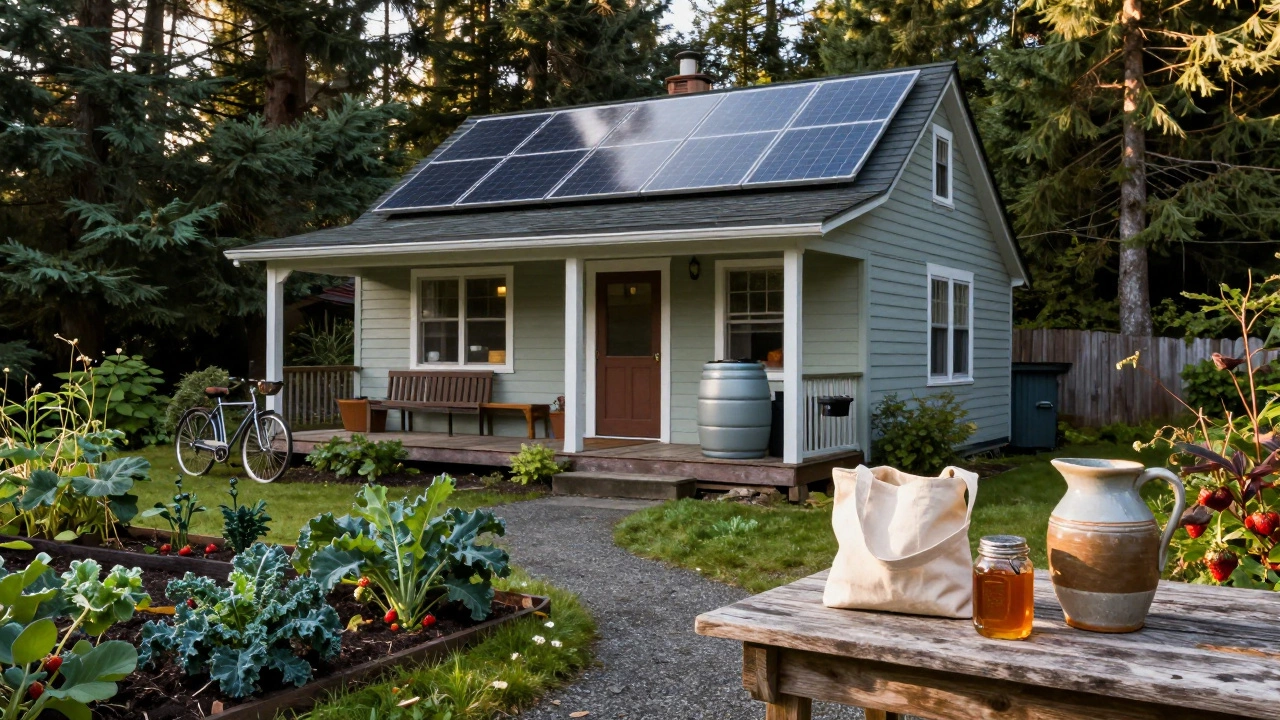
That’s where eco-friendly cottages, small, low-impact homes designed to blend into nature with minimal resource use come in. These aren’t just cabins with a ‘green’ sticker. They’re built with materials like hempcrete, a natural insulation made from hemp fibers and lime that locks away carbon, or rammed earth walls, dense, thermal masses made from local soil that stay cool in summer and warm in winter. You’ll find these in real homes in Croyde—places where the walls breathe, the roofs catch rainwater, and the heating comes from the sun, not fossil fuels.
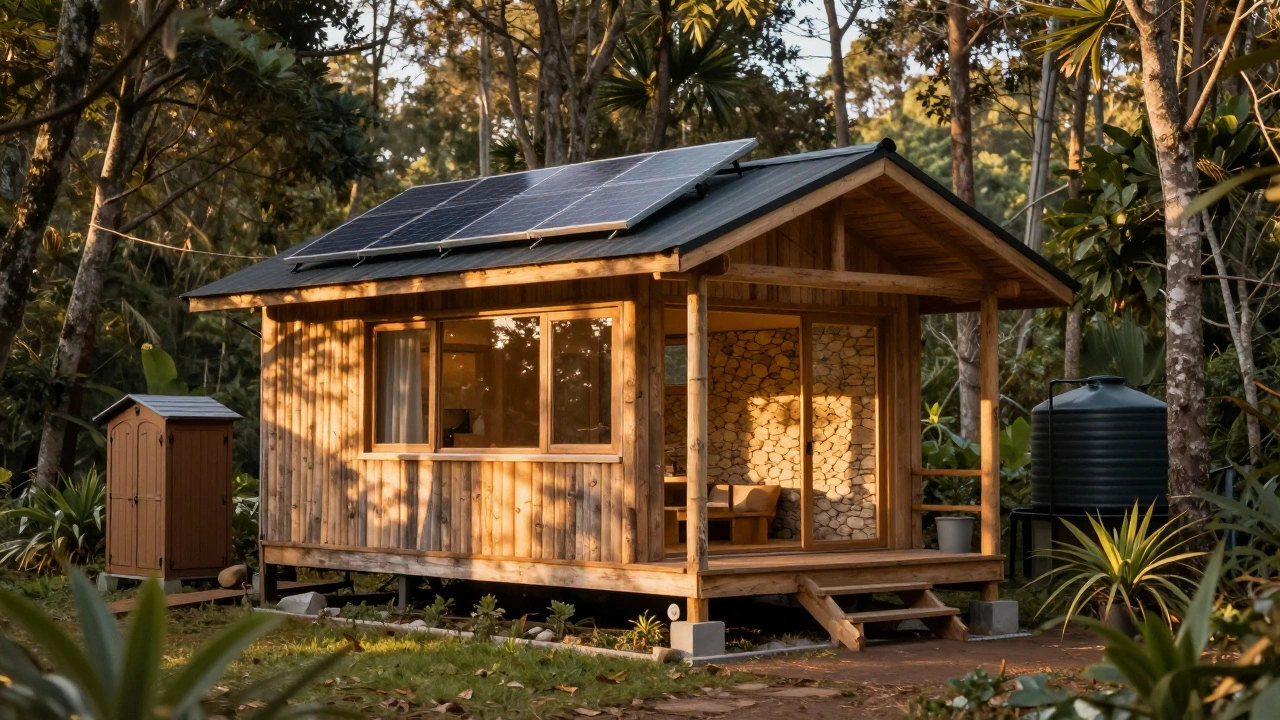
And then there’s sustainable glamping, luxury camping that removes the hardship without removing the responsibility. It’s not about tents with chandeliers. It’s about beds with organic cotton sheets, showers with low-flow heads, and kitchens stocked with zero-waste snacks. Glamping that cares about its footprint doesn’t just say it’s eco-friendly—it proves it with every detail. You’ll see this in posts that break down what’s really inside a glamping unit, from the mattress to the cleaning products.
What ties it all together? sustainable living, a way of choosing daily habits that reduce harm to the planet. It’s the same mindset that turns a holiday into something deeper. When you pick a cottage built with bamboo instead of imported timber, you’re not just saving trees—you’re supporting a supply chain that doesn’t drain forests or flood the air with emissions. When you stay at a place that uses rainwater for washing, you’re helping keep rivers clean. These choices add up, and they start the moment you book.
You won’t find empty claims here. The posts below show real examples: the exact materials used in a Croyde cottage, the cost of staying in a solar-powered glamping unit, the hidden truths about what makes a home truly green. You’ll learn what to look for, what to avoid, and how to tell the difference between a place that’s trying to be eco-friendly and one that actually is. No fluff. No greenwashing. Just facts, real prices, and clear choices.